
Exploring Nepal's Avian Wonders: A Comprehensive Guide to Unique Bird Species
Forget just scaling peaks; in Nepal, you climb the chorus of the wild. Every rustle, every call, a note in a symphony composed by feathered maestros. Trade crampons for binoculars, and discover a paradise painted in plumage.
Nepal is known for its diverse landscapes within such a small country. From the stretched out plains of Terai to the emerald Hills, watched over by the snow-capped giants that pierce the sky. But beyond the mesmerizing vistas lies another realm of wonder - the diverse and vibrant world of Nepal's avian residents. With over 892 recorded species as of 2022, Nepal is a haven for birdwatchers and nature enthusiasts alike. Let’s take a glimpse into a remarkable array of these feathered creatures. This comprehensive guide invites you on an unparalleled journey to explore the unique bird species that grace Nepal's skies.
A Realm of Diverse Habitats: Unveiling Unique Feathered Treasures
Nepal's varied topography creates a mosaic of ecosystems. Let's delve into some of the most prominent habitats where our avian gems reside
The Soaring Heights of the Himalayas:
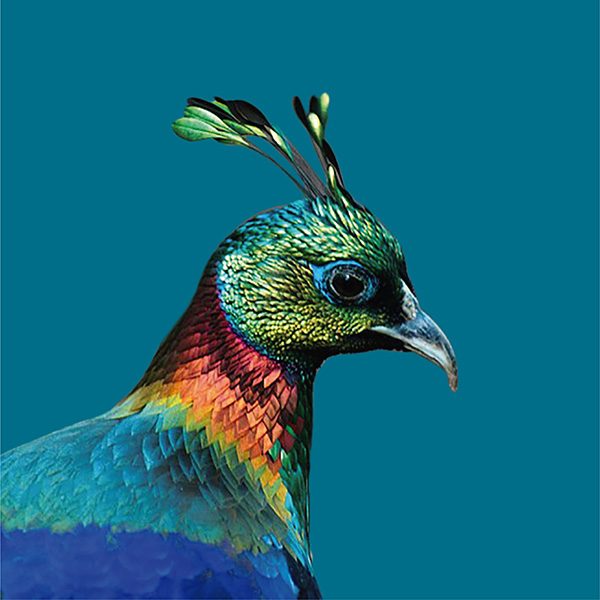
As you ascend into the lofty realms of the Himalayas, you can observe birds adapted to the harsh mountain environment. The Blood Pheasant, looks gracious in its crimson plumage, flits amongst the rhododendron bushes, while the Danfe aka Himalayan Monal, Nepal's national bird, struts its iridescent finery in the alpine meadows.
Himalayan Monal (Lophophorus impejanus)
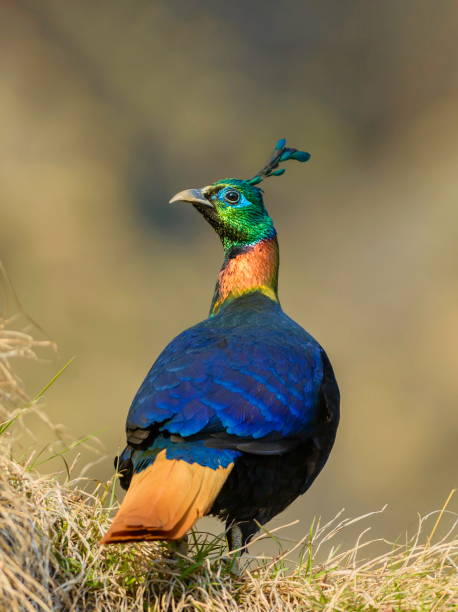
- The national bird of Nepal, the Lophophorus is a breathtakingly beautiful bird.
- The male boasts a vibrant plumage with iridescent shades of blue, green, and copper, while the female, as in other pheasants, is more subdued in colour.
- Spotting them in the alpine regions of Nepal, such as Sagarmatha National Park, Annapurna Conservation Area, Rara National Park is a sight to behold.
Blood Pheasant (Ithaginis cruentus)

- The Blood Pheasant is the only species in genus Ithaginis of the pheasant family.
- It can be characterized by a crimson face, black bill while the breast, belly, and sides exhibit lance-shaped feathers of varying lengths. These feathers resemble dashes of blood with green tips and crimson margins. The tail comprises 12 subequal feathers with white shafts and rounded ends, while the coverts are a rich crimson red.
- It is a relatively small, short-tailed pheasant that is widespread and is fairly common in the eastern Himalayas.
Grandala (Grandala coelicolor)

- The Grandala is the only species of bird placed in the genus Grandala of the thrush family Turdidae.
- The plumage of the male is blue-gray, only the tail and wings are black. The plumage of the female is brownish with white stripes; rump gray-blue; the tip and underside of the wing feathers are white.
- These birds are often found in flocks and are associated with rocky landscapes. Look for them in the alpine meadows of places like Khumbu and Annapurna.
Fire-tailed Myzornis (Myzornis pyrrhoura)

- Found in the dense understory of temperate forests, the Fire-tailed Myzornis is a small and colorful bird.
- Its vibrant plumage, with a fiery red tail, makes it a sought-after species for birdwatchers.
- The forests of Langtang and Makalu Barun National Park are potential habitats for this stunning bird.
Ibisbill (Ibidorhyncha struthersii)

- Recognized by its long, down-curved bill, the Ibisbill is a wader species found along fast-flowing mountain rivers.
- The Kali Gandaki River in the Annapurna region is a prime location for observing these distinctive birds.
- Their unique feeding behavior and habitat preference make them a sought-after sighting for birders.
The Lush Verdants and Wetlands of the Terai:
Descend to the stretched out lowlands of the Terai, teeming with avian diversity. The Koshi Tappu Wildlife Reserve, a haven for birdlife, shelters over 450 species, including the magnificent Great Hornbill, the endangered Bengal Florican, and the elusive Spiny Babbler. Keep your ears peeled for the melodious calls of the Oriental Pied Hornbill and the raucous laughter of the Grey-headed Fish Eagle.
Birds to lookout for in the Terai:
Great Hornbill (Buceros bicornis)

- Great Hornbill’s prominent feature is the large down-curved bill, which is yellow and topped with a unique casque, a hollow structure on the upper mandible. The casque varies in size between males and females. The bird's plumage is mostly black, with white and brown markings, and it has a large, noticeable yellow and black casque on top of its bill.
- They are known for their distinctive calls, which can carry over long distances through the forest. They are often observed flying with slow, deep wingbeats.
- Koshi Tappu Wildlife Reserve and Chitwan National Park are the main hubs to spot them.
Bengal Florican (Houbaropsis bengalensis)

- Black Floricans can be characterized by a combination of black, white, and chestnut plumage with an elongated black crest on their heads. The contrasting colors make them stand out in the grasslands and wetlands they inhabit.
- This critically endangered species is primarily found in the tall grasslands and wetlands of South Asia, including India, Nepal, and Cambodia.
- Bengal Floricans prefer areas with tall grasses, where they perform elaborate courtship displays during the breeding season. Unfortunately, their habitats are under threat due to agricultural expansion and human activities.
Spiny Babbler (Turdoides nipalensis)

- Endemic to Nepal, the Spiny Babbler is a unique and elusive bird found in the mid-hills of Nepal.
- Its distinctive appearance, with spiky feathers on the nape, makes it stand out among other babblers.
- We can observe them in the Terai region whereas Nagarjun Forest Reserve and Shivapuri National Park are known habitats for this rare species.
Sarus Crane (Antigone antigone)

- Sarus cranes are the world's tallest flying birds. They can be spotted in the wetlands and agricultural fields of Nepal.
- These elegant cranes are often associated with local folklore and cultural significance.
- They are characterized by a bare red head and part of the upper neck, a grayish crown, and a long, greenish-gray, pointed bill.
- Koshi Tappu Wildlife Reserve and Chitwan National Park are excellent places to witness their graceful presence.
Migratory Marvels: Unveiling the Seasonal Avian Arrivals in Nepal
Nepal's avian diversity isn't limited to resident species. Twice a year, the skies come alive with an influx of migratory birds, painting a vibrant picture of movement and adaptation. These feathered travelers soar on incredible journeys, braving vast distances to escape harsh winters or seek breeding grounds. Exploring these seasonal visitors adds another layer of fascination to Nepal's birdwatching scene.
When to Witness the Migration:
Winter Arrivals (October - March): As temperatures plummet in the north, flocks of birds seek refuge in Nepal's warmer climes. Expect to see a surge in ducks, geese, swans, waders, and raptors during this period.
Summer Arrivals (April - September): With the onset of spring in the north, birds head back to their breeding grounds. However, some species, like the Asian Paradise Flycatcher and Blue-tailed Bee-eater, choose Nepal for nesting and raising their young during this time.
Where to Find Migratory Birds:
Grasslands: Chitwan National Park and Bardia National Park attract birds like harriers, falcons, and lapwings.
Forests: Shivapuri Nagarjun National Park and Annapurna Conservation Area offer sightings of cuckoos, flycatchers, and thrushes.
Wetlands: Koshi Tappu Wildlife Reserve, Ghodaghodi Lake, Begnas Lake, and Jagdishpur Reservoir are havens for ducks, geese, cranes, and waders.
High Himalayas: Look out for birds like the Bar-headed Goose and Common Crane at high-altitude lakes forests.
Some Notable Migratory Species:
Ducks and Geese: Mallard, Ruddy Shelduck, Gadwall, Eurasian Teal, Greylag Goose, Bar-headed Goose
Raptors: Booted Eagle, Pallas's Fish Eagle, Oriental Honey-buzzard, Black Kite
Waders: Common Sandpiper, Greenshank, Common Redshank, Black-winged Stilt
Thrushes: Siberian Thrush, Grey-throated Thrush, Blue-headed Thrush
Summer Visitors: Asian Paradise Flycatcher, Blue-tailed Bee-eater, Grey-backed Shrike, Pied Cuckoo
Our Favourite Migratory Birds
Black Stork (Ciconia nigra)

The Black Stork is a migratory bird that can be spotted in Nepal, particularly during its winter migration. Here are some key points about the presence of Black Storks in Nepal:
Migration Route:
Black Storks are known to migrate over the Indian subcontinent, and Nepal falls within their migration route. They often pass through or spend the winter in wetlands, rivers, and lakes across the country.
Habitats:
Black Storks are commonly found in a variety of wetland habitats, including lakes, rivers, marshes, and ponds. They are known to forage in shallow waters for fish, amphibians, and other aquatic prey.
Identification:
The Black Stork is distinguishable by its black plumage, contrasting white underparts, and a distinctive red bill. During flight, their long neck is extended, and they exhibit slow and steady wing beats.
Wintering Grounds:
In Nepal, you may encounter Black Storks during the winter months when they seek refuge in the country's wetlands. These areas provide ample food resources and a suitable environment for them to spend the colder months.
Conservation Status:
While the Black Stork is not considered globally threatened, it faces certain conservation challenges. Wetland degradation, habitat loss, and disturbances in their breeding areas can impact their populations. Preservation of wetland ecosystems is crucial for the successful conservation of these storks during their migratory journeys.
Observation Opportunities:
For bird enthusiasts and ornithologists, Nepal's wetlands, including those in Chitwan National Park and Koshi Tappu Wildlife Reserve, offer opportunities to observe Black Storks, especially during the winter months when they are more likely to be present.
When seeking to observe Black Storks or other migratory birds in Nepal, it's recommended to consult with local birdwatching guides or conservation organizations for the most current information on birding hotspots and the best times to witness these avian visitors. Additionally, respecting natural habitats and following ethical birdwatching practices contribute to the conservation of these magnificent birds.
Bar-Headed Goose (Anser indicus)

The Bar-headed Goose is a migratory bird that can be observed in Nepal, particularly during its annual migration. Here are some key points about the Bar-headed Goose in Nepal:
Migratory Behavior:
The Bar-headed Goose is known for its extraordinary migratory feats, including flying over the Himalayan mountain range, which is the highest mountain range in the world. These geese migrate from their breeding grounds in Central Asia to wintering grounds in South Asia, including parts of Nepal.
Habitat Preferences:
Bar-headed Geese inhabit a variety of wetland habitats, including lakes, rivers, and marshes. During their migration, they may be observed in different regions of Nepal, utilizing suitable water bodies for feeding and resting.
Distinctive Features:
Bar-headed Geese are easily identified by their distinctive appearance. They have a barred pattern on their head and neck, a black bar across their face, and a pale body. Their most notable feature is the white or light-colored head, which contrasts with the rest of their plumage.
High-Altitude Migration:
These geese are known for their ability to fly at extremely high altitudes, sometimes reaching heights of over 29,000 feet (8,800 meters) during their migration over the Himalayas. This remarkable adaptation allows them to navigate over mountainous terrain during their journey.
Wintering Grounds in Nepal:
During the winter months, Bar-headed Geese can often be found in Nepal, especially in wetlands and lakes. Popular locations for observing these geese include places like Phewa Lake in Pokhara, where they join other waterfowl species.
Conservation Concerns:
While the Bar-headed Goose is not considered globally threatened, it faces challenges such as habitat loss, disturbance in their wintering and breeding grounds, and potential threats from climate change. Conservation efforts are crucial to maintaining the health of their migratory routes and wintering habitats.
Observation Opportunities:
Birdwatchers and wildlife enthusiasts visiting Nepal, especially in the winter months, may have the opportunity to witness the remarkable presence of Bar-headed Geese in various wetland areas. It's advisable to visit known birding hotspots and engage with local guides for the best chances of spotting these migratory birds.
Observing the Bar-headed Goose in the diverse landscapes of Nepal, whether during migration or wintering periods, provides a unique and awe-inspiring experience for birdwatchers interested in the incredible journeys undertaken by these avian travelers.
Beyond Birdwatching: Responsible Tourism and Conservation Efforts
As you start your exploration of Nepal's avian wonders, remember to be a responsible visitor. Minimize your impact on the environment; as they say, “leave nothing but footprints, take nothing but photographs.” Respect and abide by rules and regulations of the country and support conservation initiatives. Sustainable tourism helps ensure that future generations can continue to enjoy the beauty and diversity of Nepal's birdlife.
Several organizations are dedicated to the conservation of birds, Bird Conservation Nepal, and the World Wildlife Fund are the most notable and active ones. Consider supporting their efforts to protect these feathered treasures and their precious habitats. By understanding the unique ecology of Nepal and its birdlife, we can appreciate the delicate balance of nature and contribute to its preservation.
To Conclude;
Exploring Nepal's avian wonders unveils a captivating world of unique bird species from the Lophophorus on the Himalayas to the endemic Spiny Babbler inhabiting central-hills and terai of Nepal. Nepal's unique birdlife combines a rich array of colors, behaviors, and ecological significance.
So, whether trekking through the Everest region, birdwatching in Koshi Tappu Wildlife Reserve, or exploring the cultural richness of the Kathmandu Valley, the birds add a feathered dimension to the country's beauty. So, spread your wings, embrace the adventure, and take a journey to discover the breathtaking avian wonders that soar Nepal.
