
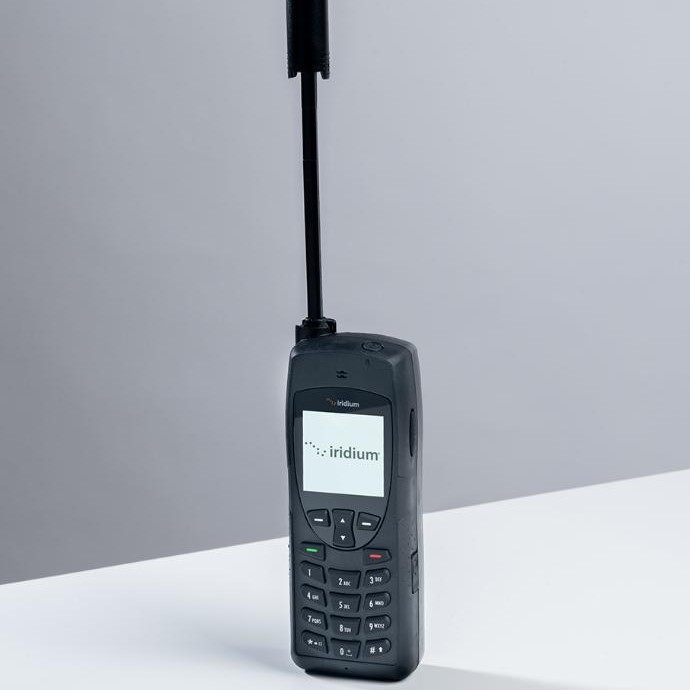
5 Common Myths About Satellite Phones in Nepal – Busted!
Exploring Nepal’s majestic Himalayas is a dream for trekkers, climbers, and adventure seekers. But with the beauty comes risk: remote terrain, extreme weather, and limited communication networks make safety a top priority. While satellite phones are widely recommended, there are many misconceptions surrounding their use. Let’s bust 5 common myths about satellite phones in Nepal and uncover the truth.
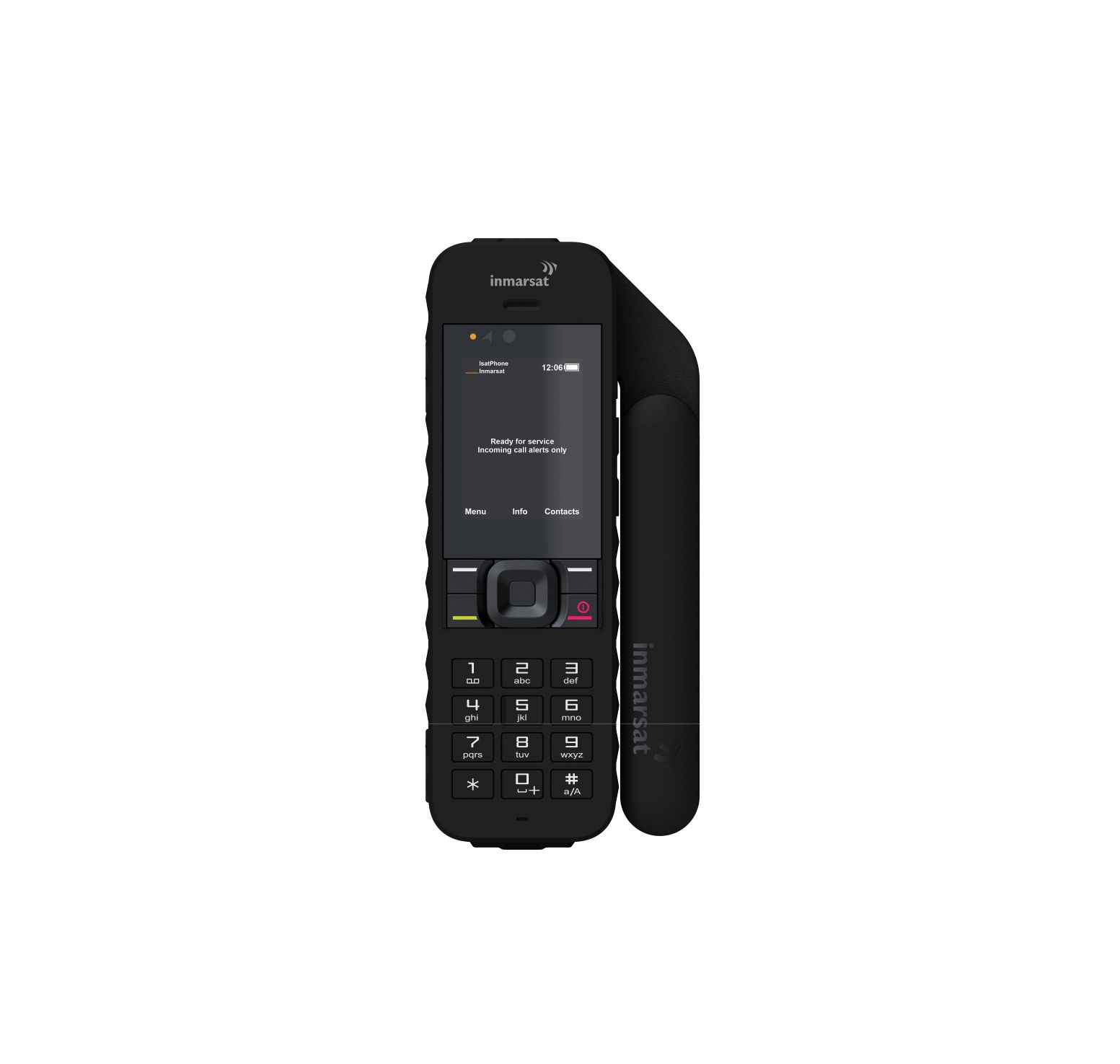
Myth 1: Satellite Phones Are Only for Rich Mountaineers
Busted: Satellite phones were once expensive gadgets, but today they are accessible to trekkers of all budgets. Many trekking companies in Nepal, including Mountain Tiger Nepal, provide rental services for a fraction of the cost of buying one. Renting a satellite phone ensures safety without a massive investment.
Myth 2: Mobile Phones Work Everywhere in the Mountains
Busted: Mobile phones rely on cell towers, which are virtually nonexistent above 3,000 meters or in deep valleys. Trekkers in regions like Dolpo, Mustang, and remote Annapurna trails often encounter zero mobile coverage, making satellite phones essential for emergency communication.
Myth 3: Satellite Phones Are Hard to Use
Busted: Modern satellite phones are user-friendly and designed for outdoor use. With simple interfaces, dedicated SOS buttons, and clear voice communication, even first-time users can operate them easily. Before your trek, rental providers usually give a quick tutorial to ensure confidence in usage.
Myth 4: They Only Work in Perfect Weather
Busted: Satellite phones are engineered for extreme Himalayan conditions. Freezing temperatures, snowstorms, and high-altitude winds do not affect their connectivity. In fact, these phones are far more reliable than mobile networks in challenging weather.
Myth 5: You Don’t Need One If You Trek in a Group
Busted: Even in groups, accidents and emergencies can isolate individuals. A group may be able to assist, but remote regions can delay help for hours or days. A satellite phone ensures that every trekker has a lifeline, enabling immediate contact with guides, base camps, or rescue teams.
Why Every Trekker Should Consider a Satellite Phone
- Reliable communication in remote areas where mobile phones fail
- Emergency SOS features with GPS tracking for fast rescues
- Peace of mind for solo trekkers and groups alike
- Durable, weather-resistant design suitable for Himalayan conditions
Satellite phones have become a non-negotiable safety tool for trekkers exploring Nepal’s high-altitude trails. They save lives, reduce emergency response times, and allow adventurers to focus on the breathtaking experience with confidence.
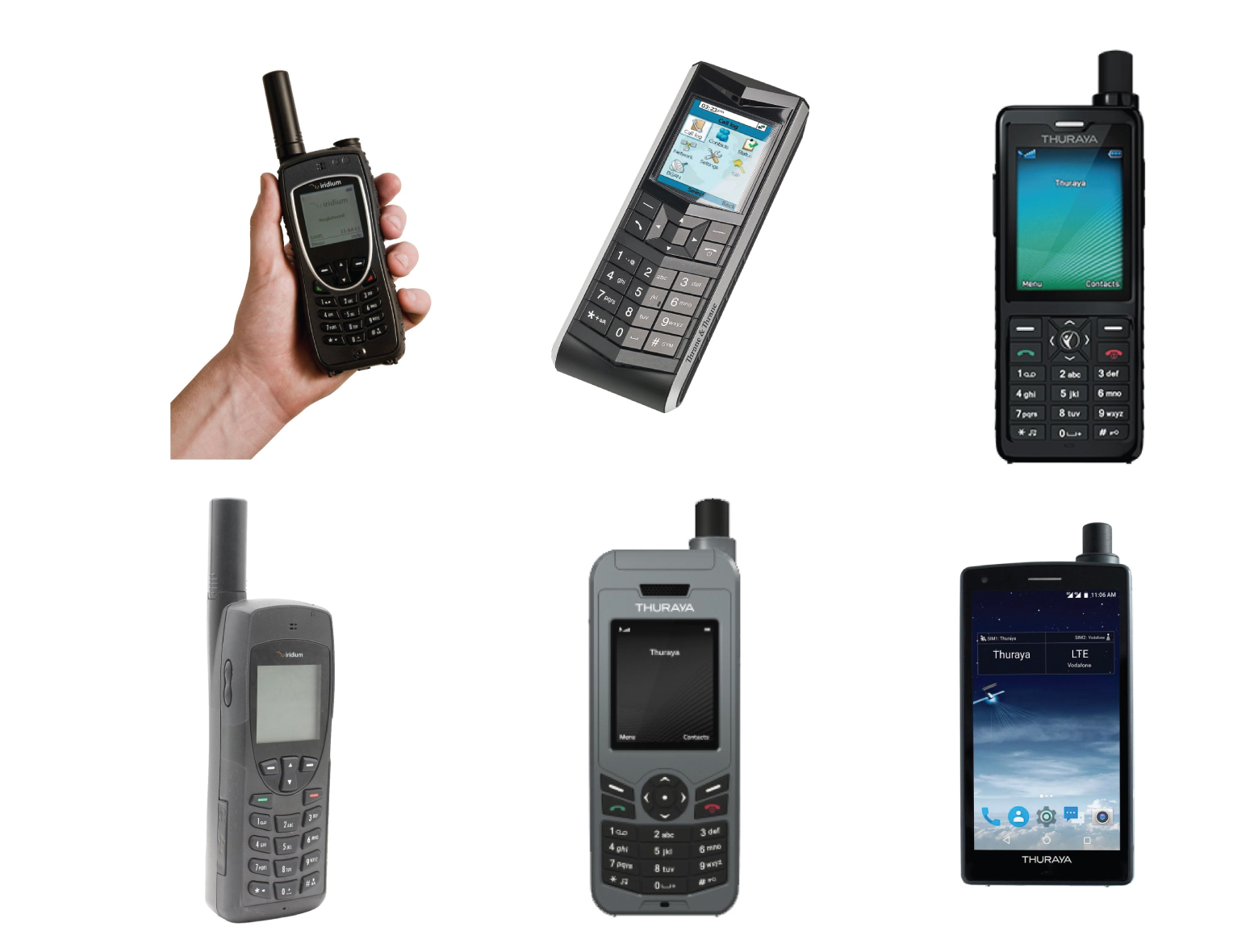
Conclusion: Don’t Let Myths Risk Your Safety
Nepal’s mountains are beautiful but unpredictable. Don’t let myths about satellite phones prevent you from staying safe. Whether trekking solo or with a group, a satellite phone ensures you’re connected when it matters most, making your Himalayan adventure safer and more enjoyable.
