
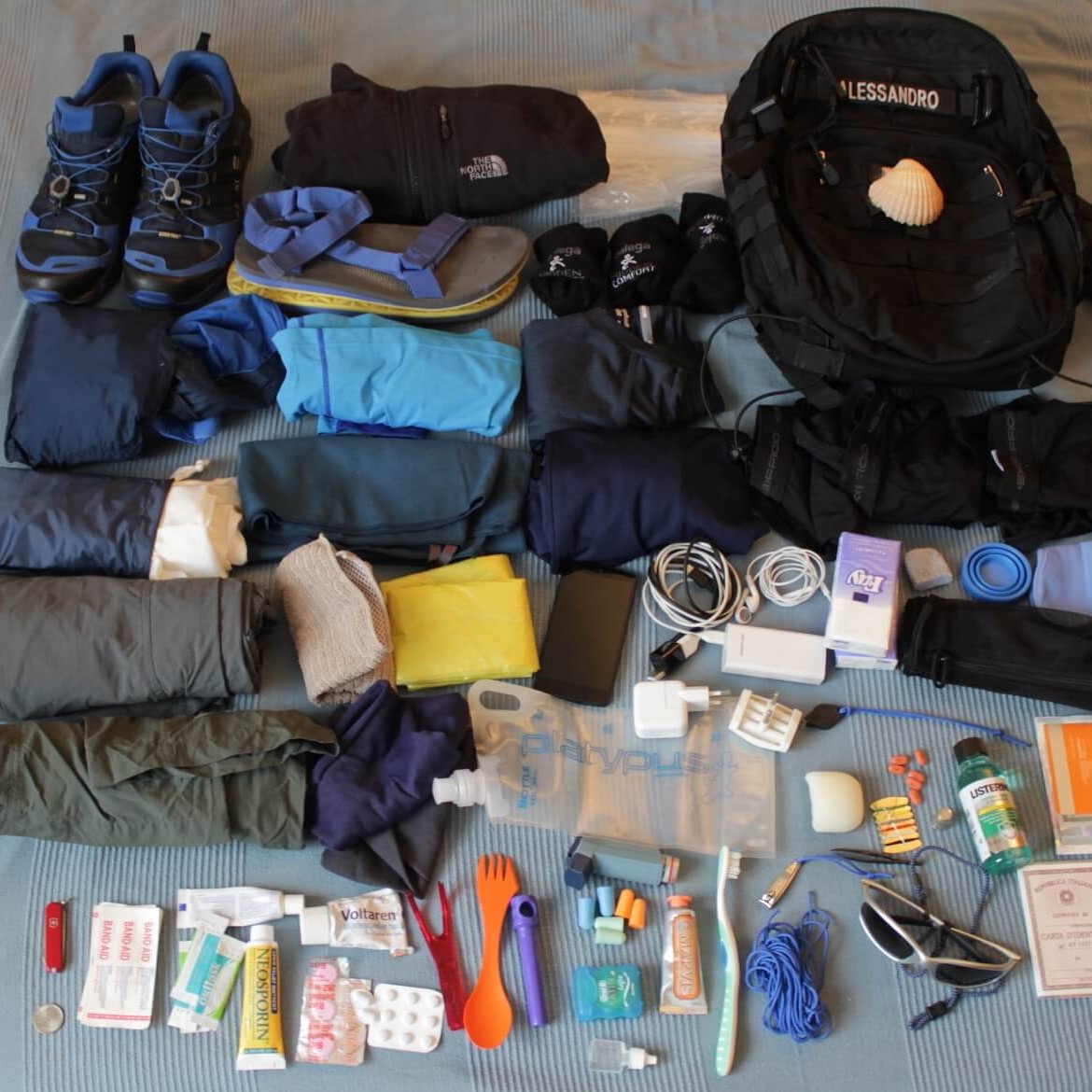
5 Gear Items I Threw Away Halfway to Everest Base Camp
Everest Base Camp (EBC) trekking is an exhilarating adventure but even with careful preparation, some gear turns out to be unnecessary, heavy, or just plain impractical. On my 2026 trek, I ended up ditching five items halfway up the trail. Here’s what I learned and what I’ll pack differently next time.
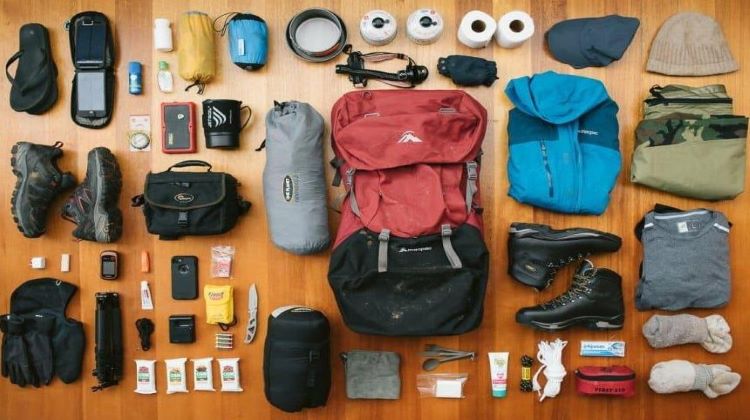
1. Heavy Cotton Clothing
I packed thick cotton shirts and pants, thinking they’d be comfortable for long days.
- Reality: Cotton absorbs moisture, dries slowly, and chills you at high altitude.
- Lesson Learned: Opt for synthetic or merino wool layers that wick moisture and dry quickly.
2. Extra Hiking Poles
I brought a pair of trekking poles, thinking redundancy is safe.
- Reality: One set is enough, and carrying a second set adds unnecessary weight.
- Lesson Learned: Stick to one reliable, adjustable pair it’s lighter and just as effective.
3. Multiple Thick Gloves
I packed multiple pairs of thick gloves for warmth.
- Reality: Most of the trek required midweight insulated gloves, while thick gloves were only needed at the summit or in extreme wind.
- Lesson Learned: One good pair of insulated gloves + a lightweight liner is sufficient for most conditions.
4. Heavy Guidebooks and Maps
I carried bulky guidebooks, printed maps, and trekking notes.
- Reality: Phones, trekking apps, and guides on the trail provided everything I needed.
- Lesson Learned: Digital resources or lightweight printed sheets are more practical than heavy books.
5. Overpacking Snacks
I brought a large bag of snacks, thinking I’d need them for energy.
- Reality: Tea houses along the route provide plenty of snacks, energy bars, and meals.
- Lesson Learned: Carry small emergency snacks and buy locally instead of overpacking food.
Why Gear Selection Matters
- Weight Management: Every kilogram matters at high altitude lighter gear improves endurance.
- Comfort & Mobility: Unnecessary items restrict movement and increase fatigue.
- Cost Efficiency: Avoid buying or carrying items that aren’t essential.
Final Thoughts
Packing for Everest Base Camp is a delicate balance between preparedness and overpacking. By leaving behind heavy, redundant, or impractical items, you not only make trekking easier but also enjoy more freedom and comfort on the trail.
If you’re planning your EBC trek in 2027, take my lessons to heart: pack smart, travel light, and let the Himalayas be your real adventure.
Mountain Tiger Nepal offers expert gear advice and packing lists to help trekkers prepare efficiently for a safe and enjoyable Everest Base Camp experience.
