7 Deadly Mistakes Beginners Make on the Everest Base Camp Trek
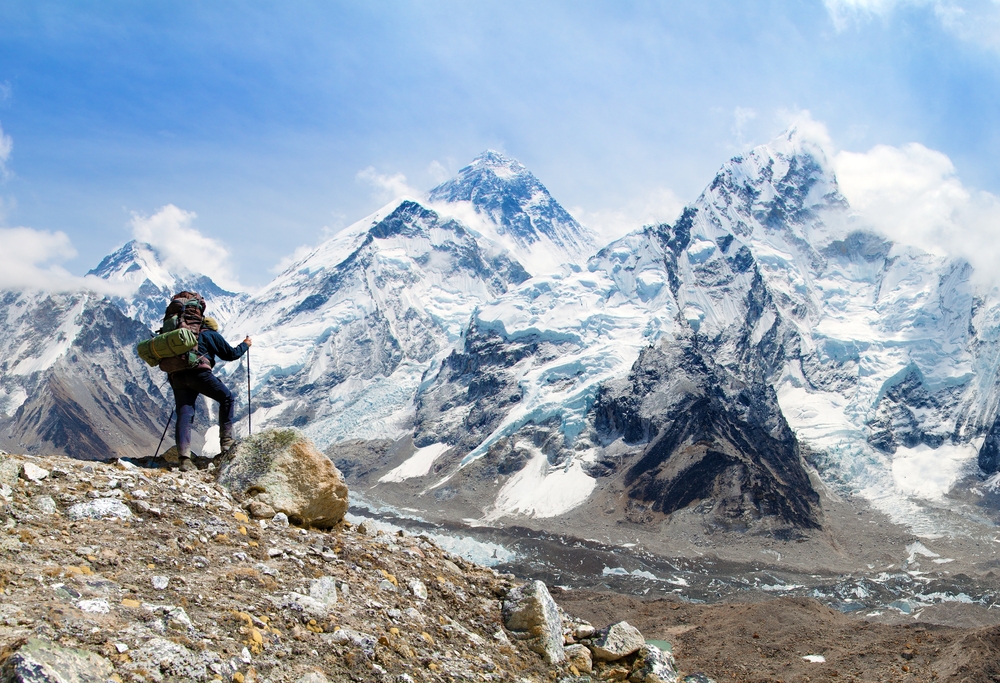
Trekking to Everest Base Camp (EBC) is a once-in-a-lifetime adventure. The Khumbu region offers stunning landscapes, vibrant Sherpa culture, and unparalleled mountain views. However, for beginners, this trek can quickly turn into a dangerous or exhausting experience if common mistakes are made.
This guide highlights the seven most critical mistakes beginners make on the EBC trek and provides practical advice to avoid them, ensuring a safe, memorable, and enjoyable journey.
1. Ignoring Altitude Preparation
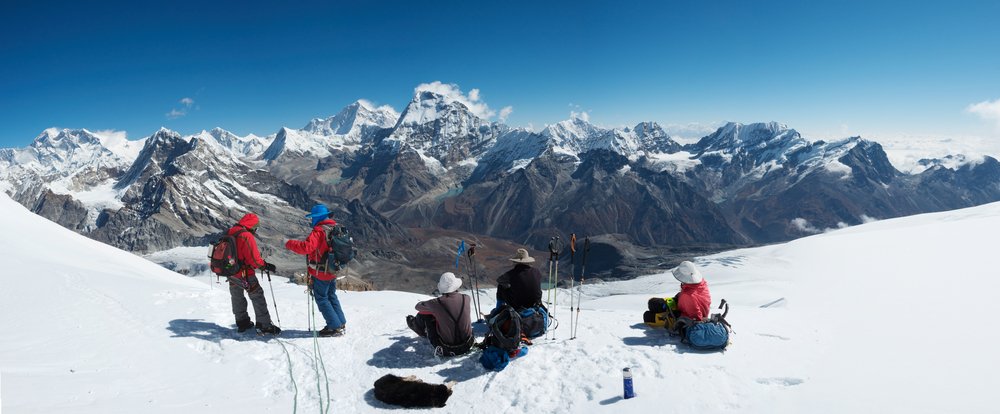
Many trekkers underestimate the effects of high altitude. Starting from Lukla (2,800 meters) without proper acclimatization can lead to altitude sickness, headaches, nausea, dizziness, and fatigue. Severe cases can result in High Altitude Pulmonary Edema (HAPE) or High Altitude Cerebral Edema (HACE), which are life-threatening.
How to avoid it:
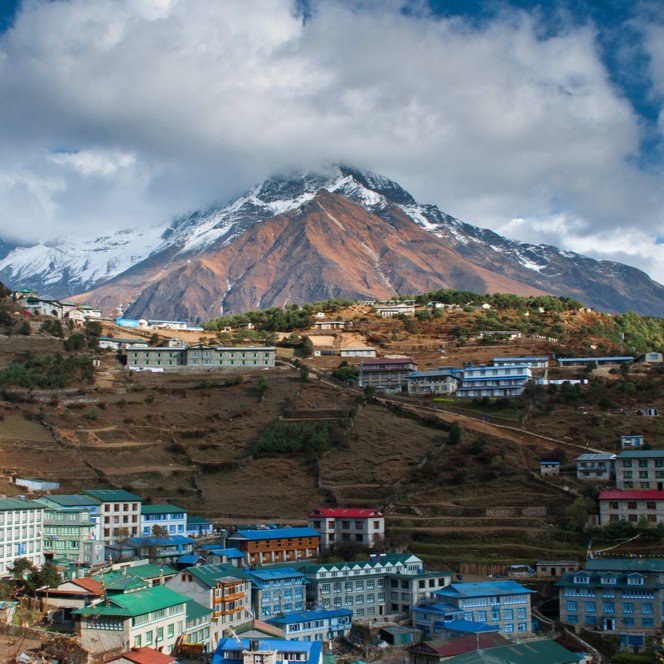
- Schedule rest/acclimatization days in Namche Bazaar or Tengboche.
- Follow the principle of “climb high, sleep low.”
- Stay hydrated and avoid alcohol during the first days.
- Consult a doctor about medications for altitude adjustment if needed.
2. Overpacking and Carrying Too Much Weight
Many beginners pack too many items, resulting in backpacks weighing 15–20 kg. Heavy loads increase fatigue, slow your pace, and strain joints.
How to avoid it:
- Keep your personal backpack under 10 kg.
- Use a porter for heavier duffels.
- Pack only essentials: versatile clothing, essential gear, water, and snacks.
3. Neglecting Layered Clothing
Weather in the Everest region can shift from warm sunshine to icy winds or snow within hours. Beginners often wear cotton shirts or a single jacket, leaving them exposed to extreme temperatures.
How to avoid it:
- Use a three-layer system: thermal base layers, fleece or down mid-layers, and windproof/waterproof outer layers.
- Carry gloves, a beanie, and a neck gaiter.
- Check weather forecasts and adjust layers accordingly.
4. Skipping Hydration and Nutrition
High-altitude trekking increases the body’s need for water and calories. Beginners often drink too little and eat inadequately.
How to avoid it:
- Drink at least 3–4 liters of water daily.
- Use electrolyte powders or rehydration salts.
- Eat high-calorie meals with balanced carbohydrates, protein, and fats.
- Snack frequently on nuts, chocolate, or energy bars.
5. Disregarding Trekking Pace
Beginners often try to cover too much ground in a single day, ignoring the need for slow, steady acclimatization.
How to avoid it:
- Maintain a manageable pace with gradual elevation gain.
- Take short breaks every 45–60 minutes.
- Listen to your body and adjust speed according to energy and oxygen levels.
6. Choosing Inadequate Footwear
Many first-time trekkers wear new boots, casual shoes, or sneakers. Poor footwear causes blisters, sore feet, and mobility issues, which can make hiking difficult or dangerous.
How to avoid it:
- Invest in high-quality trekking boots with ankle support.
- Break them in months before the trek.
- Use moisture-wicking socks and consider liner socks to prevent blisters.
7. Ignoring Permits, Insurance, and Local Regulations
Some trekkers begin the trek without a TIMS card, Sagarmatha National Park permit, or adequate travel insurance, thinking these are minor details.
How to avoid it:
- Secure your TIMS card and park permit before departure.
- Obtain travel insurance that covers high-altitude trekking.
- Respect local rules, village guidelines, and environmental regulations.
Final Thoughts
The Everest Base Camp trek is an extraordinary adventure, but ignorance, overconfidence, and poor planning can turn it into a stressful or unsafe experience. Avoiding these seven deadly mistakes ensures your trek is safe, enjoyable, and unforgettable.
By preparing properly, respecting altitude, carrying the right gear, and pacing yourself, beginners can fully enjoy the breathtaking Himalayan landscapes, Sherpa culture, and the life-changing experience of reaching Everest Base Camp.