
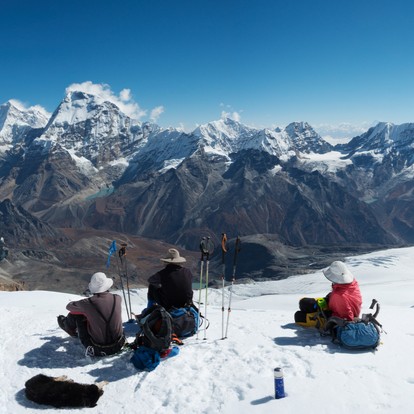
A Day in the Life: What It’s Actually Like to Sleep at Everest Base Camp
Trekking to Everest Base Camp (EBC) is a dream for adventurers, but few prepare for the reality of daily life along the trail. Beyond the stunning mountain views and Sherpa culture lies a unique aspect of the journey: the teahouse experience. These humble lodges are the heartbeat of the trek, offering shelter, warmth, and a chance to connect with fellow trekkers.
This guide takes you through a typical day at Everest Base Camp, focusing on the accommodations, routines, and the small but unforgettable details that make the trek an immersive Himalayan adventure.
Waking Up High in the Himalayas
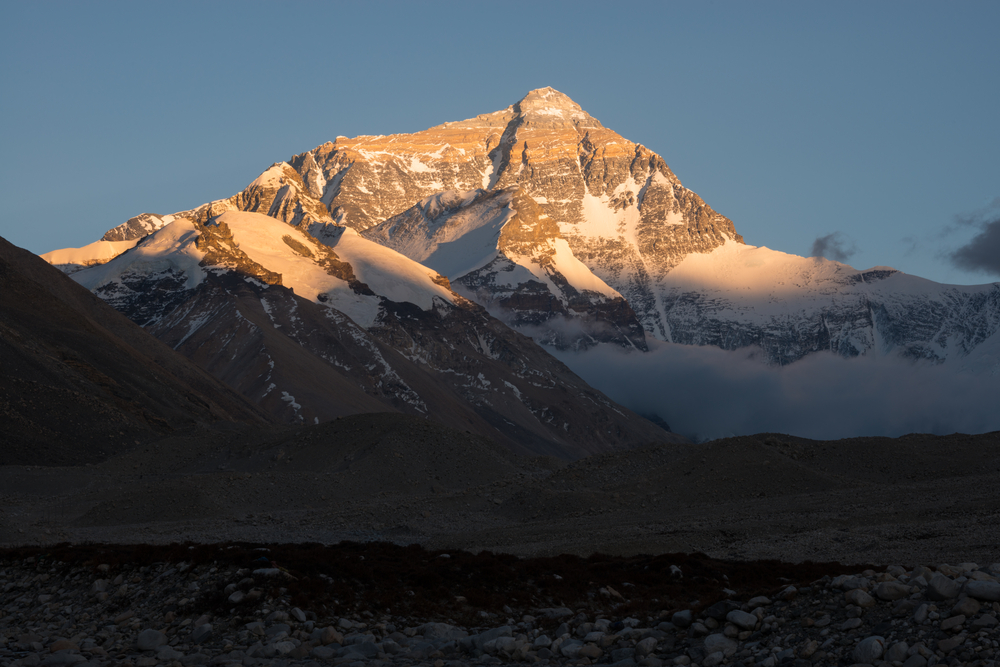
A day at EBC usually begins before sunrise, around 5:00–6:00 AM. The crisp mountain air, the glow of the rising sun over the peaks, and the quiet stillness of the trail set the stage for the day ahead.
Teahouse life: Most teahouses provide simple rooms with twin or triple beds, often with thin mattresses and shared blankets. Hot water is limited and sometimes comes at an additional cost. Early mornings are cold, often below freezing, so layers and warm clothing are essential before stepping outside.
Breakfast at Altitude
Breakfast is typically served in the communal dining hall. Popular options include porridge, eggs, pancakes, and tea. Energy-rich meals are crucial at high altitudes because your body burns more calories than usual while trekking.
Meals are often prepared in small kitchens with limited resources, giving each dish a rustic, homemade quality. Sharing breakfast with fellow trekkers is also a social moment, where stories, tips, and encouragement are exchanged before the day’s hike.
Trekking During the Day
After breakfast, it’s time to hit the trail. Days can range from 4 to 8 hours of trekking, depending on the itinerary and acclimatization schedule. Typical highlights include:
- Crossing suspension bridges over glacial rivers
- Walking through rhododendron forests and remote villages
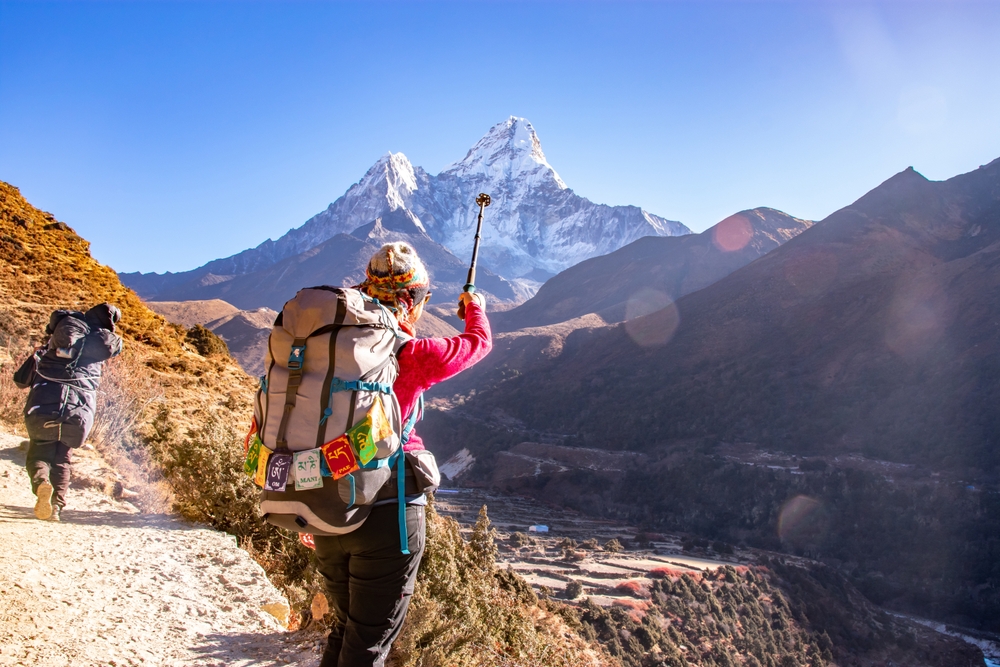
- Catching breathtaking views of Everest, Lhotse, and Ama Dablam
The journey is both physically demanding and mentally rewarding, as the trail offers a constant mix of adventure and serenity.
Lunch on the Trail
Lunch is often served at teahouses along the route or in small lodges mid-hike. Typical meals include noodles, rice dishes, soups, and local specialties like dal bhat (lentils and rice). The food is hearty and filling, providing essential calories for high-altitude trekking.
At remote stops, you may find limited menu options, so flexibility is key. The simplicity of meals is part of the charm—fueling your body while letting you savor the surrounding landscape.
Evening Routine at Base Camp
After reaching your nightly stop, the routine is simple but vital:
- Check into the teahouse: Rooms are cozy but minimal, often without private bathrooms. Some teahouses have attached toilets, while others use shared facilities.
- Hot drinks and snacks: Many trekkers enjoy tea, coffee, or instant soup to warm up after a long day.
- Rest and recovery: Stretching, light exercises, or journaling are common ways to recover and prepare for the next day.
Electricity is limited, and charging devices often costs extra. Most trekkers spend evenings reading, chatting, or simply soaking in the Himalayan panorama through frost-covered windows.
Sleep at High Altitude
Sleeping at high altitude is a challenge. Rooms are cold, and the thin air can make breathing feel different. Many trekkers use sleeping bags rated for sub-zero temperatures and layers of clothing to stay warm.
The silence at night is profound. Outside, the wind whistles across glaciers, and inside, the muffled sounds of fellow trekkers create a unique sense of camaraderie and shared experience. Sleep is crucial for recovery and acclimatization, so most trekkers prioritize early bedtimes.
The Teahouse Experience: More Than Just a Bed
Teahouses are at the heart of the EBC trek. They offer:
- Safety and shelter from harsh weather
- Communal dining and social interaction
- A place to rest, reflect, and plan the next day
The simple comforts, the rhythm of meals and rest, and the constant backdrop of the Himalayas create a unique, immersive experience that few trekkers forget.
Final Thought
Sleeping at Everest Base Camp is not luxurious, but it’s unforgettable. The teahouse routine waking with the sunrise, sharing meals, trekking through spectacular landscapes, and resting in cozy lodges forms the rhythm of the trek.
Life at base camp teaches patience, resilience, and appreciation for simplicity, while surrounding peaks remind you why every effort on the trail is worth it. For those dreaming of EBC, the teahouse experience is an essential part of the Himalayan adventure challenging, humbling, and ultimately magical.
