
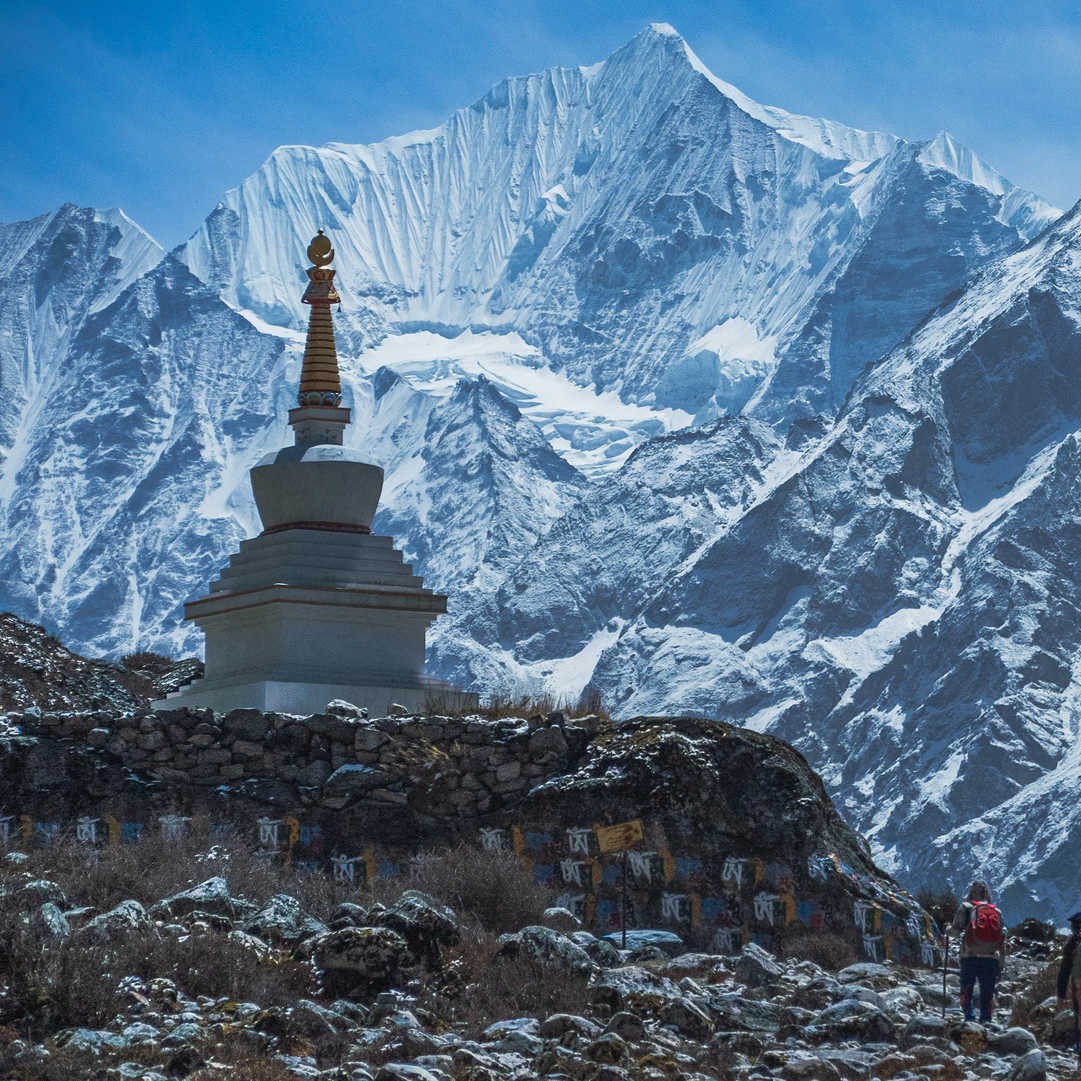
After the Earthquake: How Langtang Rebuilt Its Trail and Spirit
On 25 April 2015, a 7.8-magnitude earthquake struck Nepal. Entire villages crumbled, iconic temples fell, and across the country nearly 9,000 lives were lost. Among the hardest-hit places was Langtang Valley, a narrow Himalayan gorge just north of Kathmandu, long cherished as Nepal’s “third trekking region” after Everest and Annapurna.
Here, in the shadows of Langtang Lirung (7,227m), an entire community was wiped out in seconds. Yet today, less than a decade later, Langtang has not only rebuilt its trails and teahouses, it has rebuilt its spirit. Trekking in Langtang is no longer just about mountains and glaciers; it is also about witnessing resilience, honoring memory, and supporting renewal.
The Day That Changed Langtang Forever
At 11:56 a.m., April 25, 2015, tragedy struck. A massive section of ice, rock, and a glacial lake collapsed from the south face of Langtang Lirung. The avalanche funneled through a couloir directly above Langtang Village (3,400m), unleashing an estimated 40 million tons of debris.
The impact was unimaginable:
- Entire houses were buried under boulders.
- A blast of air pressure flattened trees for kilometers down the valley.
- 243 lives were lost in Langtang alone including villagers, trekking staff, and 41 foreign trekkers.
Today, their names are inscribed on a memorial mani wall, a place of prayer flags and remembrance at the site of the old village. For those who trek here, it is both a sobering pause and a moment of deep respect.
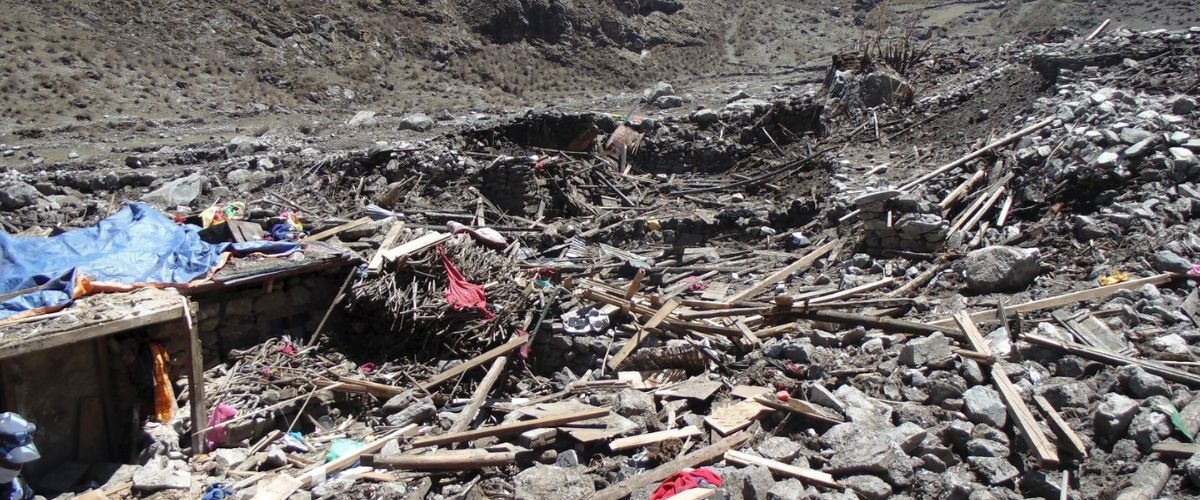
Walking Through the Ruins
Trekking through Langtang Village even now is an emotional experience. What was once a lively settlement of teahouses and stone homes is today a wasteland of rock and silence. Only one house tucked against an overhanging cliff withstood the avalanche, standing as a haunting reminder. Nearby, the new Langtang Village has been rebuilt slightly uphill. Though smaller and more basic than before, its teahouses buzz again with life. The path through is lined with memorials, prayer wheels, and the determined smiles of people who refused to abandon their valley. As trekkers pass, they are not just hiking a trail; they are walking through history, grief, and healing.
A Valley Rising Again
Despite devastation, the Langtang Valley has bounced back with remarkable resilience:
- Trails Restored: Paths once blocked by landslides have been cleared, allowing trekkers to reach Kyanjin Gompa and beyond.
- Teahouses Rebuilt: From Lama Hotel to Kyanjin, family-run lodges offer shelter, meals, and a warm welcome once more.
- Connectivity Improved: Today, Wi-Fi and Ncell mobile service reach much of the valley — unthinkable during the earthquake years.
- Tourism Returns: While numbers are lower than before, each visitor directly supports families who rely on trekking income.
Every rebuilt teahouse, every steaming plate of dal bhat, every smile exchanged with a local host is proof that Langtang is alive again.
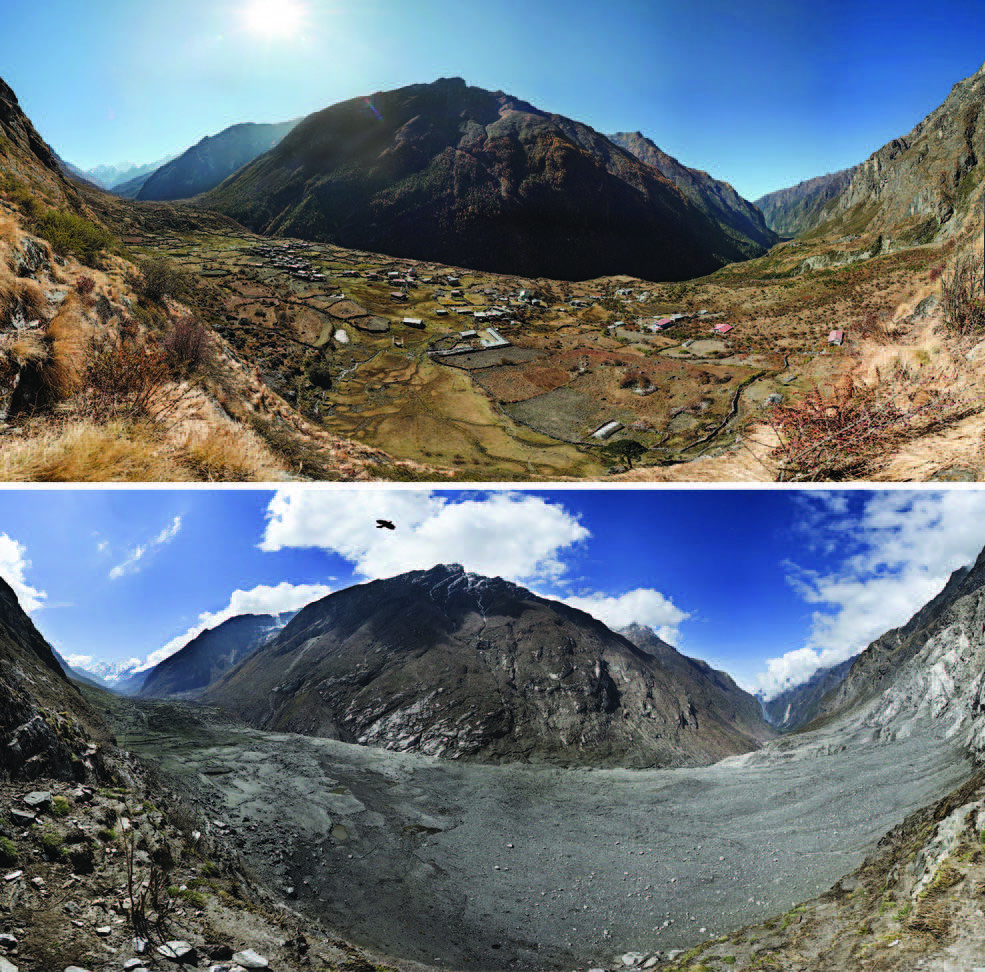
-BEFORE AND AFTER THE EARTHQUAKE
More Than Just a Trek
Langtang has always been unique. Unlike the crowded trails of Everest or Annapurna, the valley offers a quieter, more personal experience:
- Culture: The Tamang people, with Tibetan roots, share their Buddhist traditions, prayer flags, and stories of survival.
- Nature: The valley is home to rare wildlife, from playful langurs to elusive red pandas.
- Adventure: Side hikes to Kyanjin Ri (4,773m) or Tsergo Ri (4,984m) reveal sweeping views of glaciers and snow peaks.
- Healing: Trekking here now carries extra meaning supporting a community that turned tragedy into strength.
How Trekkers Can Support Langtang’s Future
If you’re wondering how to help, the answer is simple: go there.
- Trek the Valley: Spend nights in rebuilt teahouses, eat local meals, and hire local guides or porters.
- Travel Sustainably: Carry reusable bottles, minimize plastic, and respect cultural sites.
- Spread the Word: Share your experience so more trekkers choose Langtang.
Fundraising and volunteering have their place, but nothing contributes more to Langtang’s recovery than responsible tourism. Every trekker is part of the valley’s healing.
The Future of Langtang
Langtang is no longer only a “short alternative” to Everest or Annapurna. Routes are expanding:
- Treks through Helambu and Gosainkund connect into Langtang.
- Adventurous hikers can cross Ganja La (5,106m) or attempt Tilman’s Pass (5,200m) into wilder terrain.
- Kyanjin Gompa remains the spiritual heart, but beyond it lies a world of glaciers waiting to be explored.
The scars of 2015 remain, carved into cliffs and memory. Yet every new teahouse, every prayer flag, every trekker who arrives proves one truth:
Langtang is not a wasteland. It is a wonderland, reborn.
Final Thoughts
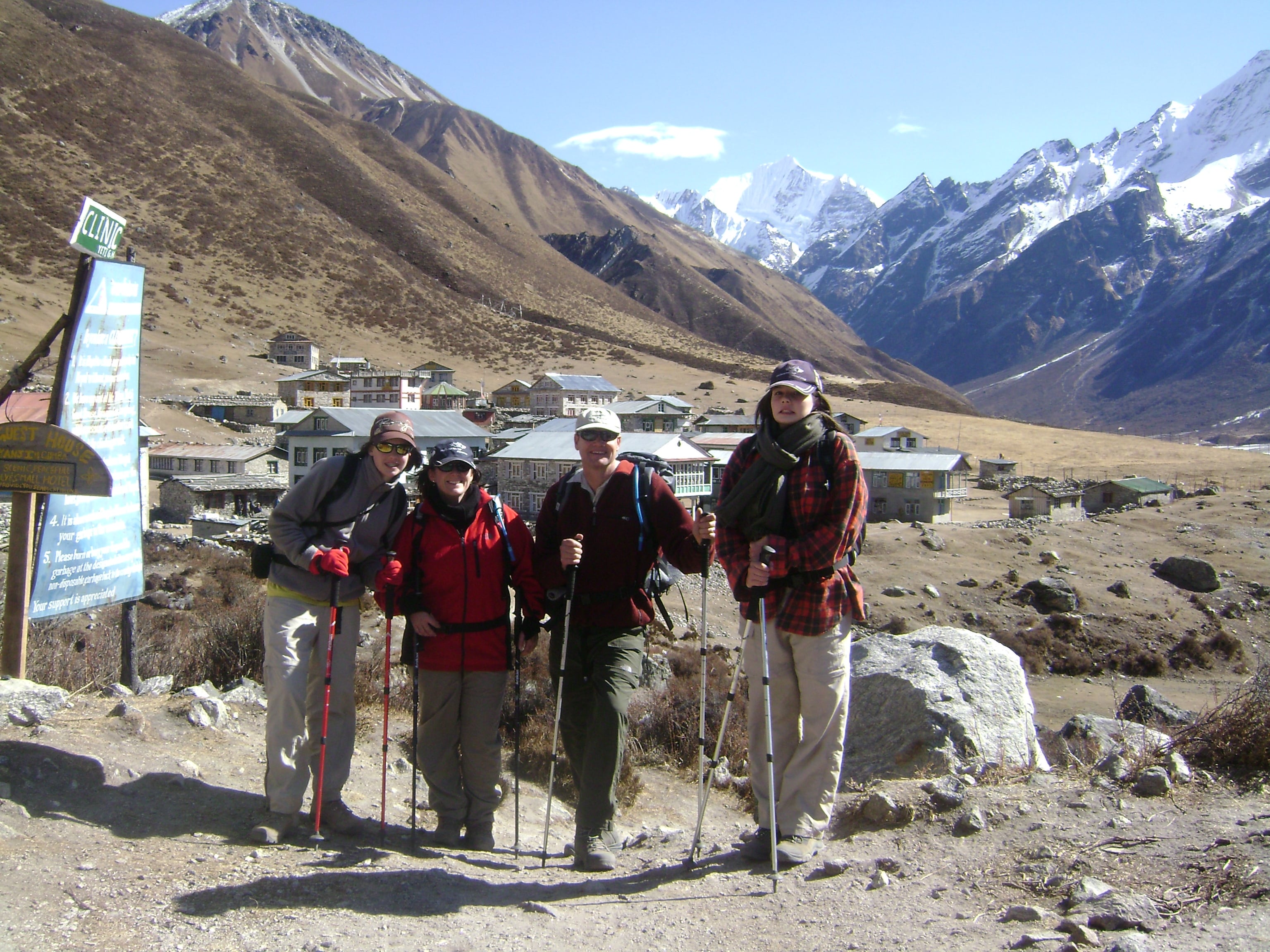
Trekking in Langtang is more than a mountain adventure; it's a chance to connect with resilience and humanity. The earthquake took lives, homes, and dreams, but it could not take the valley’s spirit. As you walk through forests, climb to glaciers, and pause at the memorial wall, you’ll understand why Langtang is both heartbreaking and inspiring. And when you share a smile with a villager serving yak cheese or butter tea, you’ll see the future hopeful, steady, and strong.
So when you plan your next trek in Nepal, remember this:
By trekking in Langtang, you’re not just hiking. You’re helping to rebuild a valley.

