

Altitude Superpowers: How Sherpas Thrive Where Others Struggle
The Science Behind Sherpa Physiology, Oxygen Efficiency, and High-Altitude Adaptation
At altitudes where most people gasp for breath, move slowly, and battle dizziness, the Sherpa people walk, work, and climb with remarkable ease. They haul heavy loads through the Khumbu Icefall, sprint across ridgelines above 5,000 meters, and support climbers on the world’s highest peaks all in conditions that push the human body to its limits.
Their abilities seem almost superhuman.
But science now confirms what Sherpas have always known through lived experience:
They are physiologically built for altitude.
This isn’t just fitness or training its biology, evolution, and adaptation working in perfect harmony.
Let’s dive into the scientific secrets behind Sherpa altitude performance.
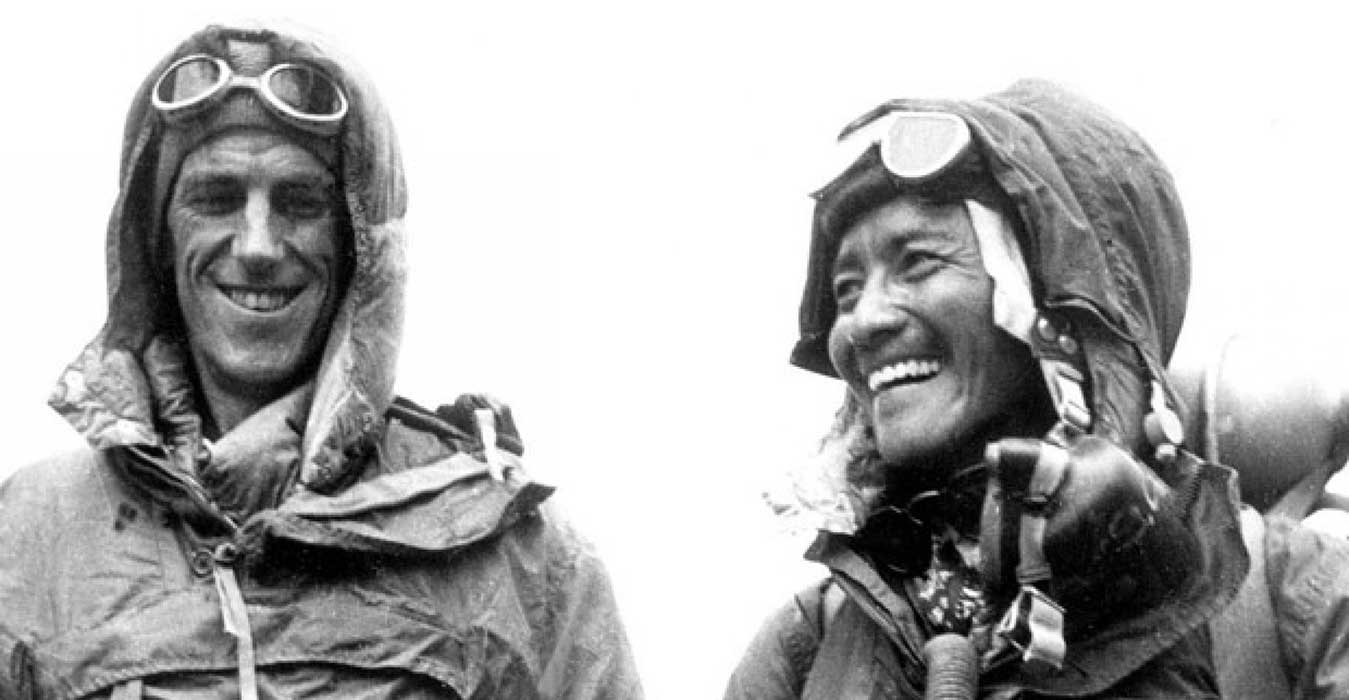
The High-Altitude Challenge: Why Most People Struggle
As altitude increases, oxygen levels drop sharply. This leads to:
- Shortness of breath
- Fatigue
- Headaches
- Poor sleep
- Loss of appetite
- Increased heart rate
- Greater risk of altitude sickness
At Everest Base Camp (5,364 m), there is 50% less oxygen than at sea level.
At the summit of Everest, only 33% remains.
For most people, simply walking becomes difficult. For Sherpas, this is home.
Why Sherpas Thrive: The Science of Altitude Adaptation
Sherpa physiology has been shaped over thousands of years living at high altitude. Research shows that Sherpas possess unique biological traits that make them exceptionally efficient in low-oxygen environments.
Here are the key “altitude superpowers.
1. Exceptional Oxygen Utilization
Sherpas don’t just breathe oxygen they use it more efficiently.
• Higher nitric oxide levels
Sherpas produce more nitric oxide, a molecule that relaxes blood vessels. This increases blood flow and improves oxygen delivery to vital organs.
• Improved mitochondrial efficiency
Mitochondria, the body’s energy factories, perform better in Sherpas.
This results in:
- More energy output
- Less lactate buildup
- Better endurance at altitude
Even under stress, Sherpas burn oxygen more cleanly and effectively than lowlanders.
2. Stronger, More Efficient Cardiovascular Function
Sherpas have evolved a cardiovascular system that thrives under low-oxygen conditions.
Key features include:
- Lower hemoglobin concentration than climbers who arrive from sea level
(This prevents blood from becoming too thick — a major problem for outsiders.) - Faster circulation that keeps oxygen moving steadily
- Greater lung ventilation capacity, allowing better air exchange
- Lower breathing rate at rest, showing natural adaptation
Where others overwork their hearts at altitude, Sherpas remain stable and controlled.
3. Genetic Advantages Born from Himalayan Evolution
Sherpas possess unique genetic markers linked to high-altitude adaptation.
The most significant gene:
EPAS1 — “the super-athlete gene”
This gene helps regulate the body’s response to low oxygen.
People with the EPAS1 variant:
- Avoid harmful spikes in red blood cells
- Maintain efficient oxygen transport
- Reduce strain on the heart
- Sustain energy longer at altitude
Studies show Sherpas inherited this gene from ancient human ancestors, giving them a rare biological edge.
4. Better Fat Metabolism at High Altitude
While lowlanders rely heavily on carbohydrates at altitude, Sherpas have a unique ability to use fat as fuel, which:
- Conserves energy
- Keeps muscles functioning longer
- Reduces fatigue
- Supports long-duration activity
This efficient metabolism is part genetic, part environmental, and part lifestyle.
5. Superior Muscle Structure for Endurance
Sherpa muscles have more Type I (slow-twitch) fibers, which are ideal for:
- Long endurance
- Efficient oxygen use
- Resistance to fatigue
- Sustained climbing and carrying loads
Their muscles are naturally built for stability and stamina rather than short bursts of power — a perfect match for Himalayan terrain.
6. Increased Capillary Density in the Body
Sherpas have more capillaries per muscle fiber, which means:
- Faster oxygen delivery
- Better nutrient flow
- More efficient waste removal
This micro-level efficiency is a huge advantage in thin air.
7. Natural Acclimatization from Birth
Sherpas are born and raised above 3,000 meters. Their bodies learn altitude from infancy.
This lifelong adaptation includes:
- Larger lung capacity
- Stronger chest muscles
- Thicker arterial walls
- Greater tolerance for cold
- Efficient breathing mechanics
- High aerobic capacity
What trekkers and climbers try to achieve in days or weeks, Sherpas develop over a lifetime.
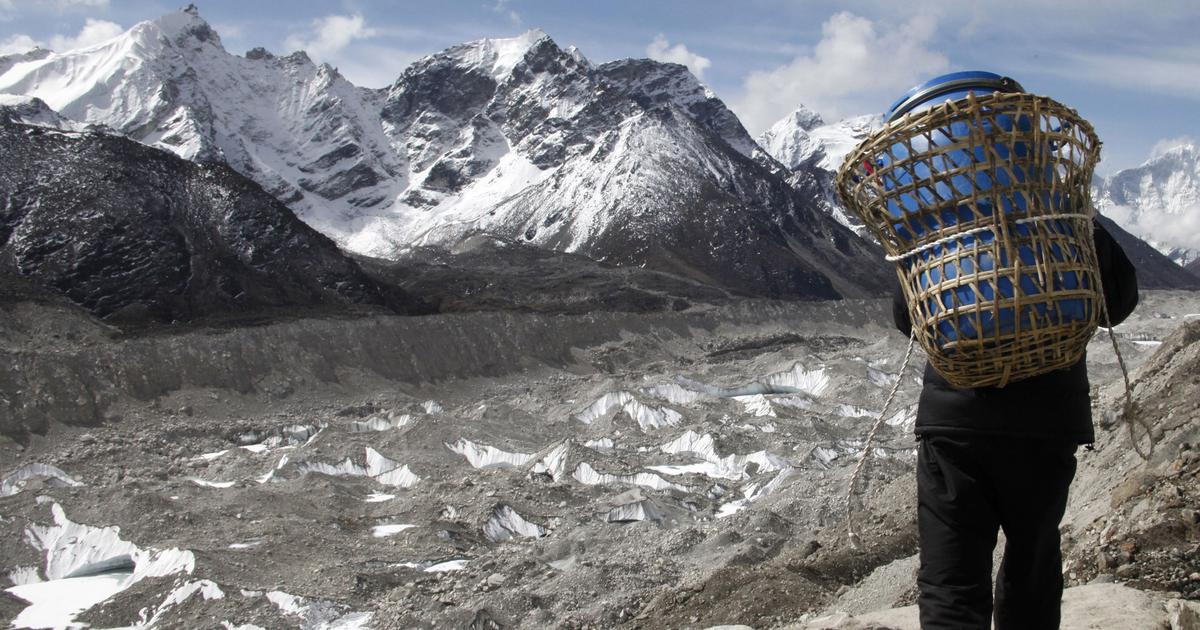
Why Sherpas Thrive: The Science of Altitude Adaptation
Science explains physiology, but culture and lifestyle also play a huge role.
Sherpa lifestyle advantages:
- Growing up walking steep trails
- Carrying loads from a young age
- Living in cold, oxygen-thin environments
- Eating simple, energy-rich diets
- Practicing mindfulness and breath control
- Staying active throughout daily life
This combination of biology + environment creates world-class endurance.
What Trekkers and Climbers Can Learn from Sherpa Adaptation
Even if you don’t have Sherpa genetics, you can improve your altitude performance.
Sherpa-inspired practices:
- Walk at a consistent, controlled pace
- Use diaphragmatic breathing
- Stay hydrated and eat frequently
- Rest properly during acclimatization
- Avoid rushing ascents
- Listen to your body’s signals
- Build aerobic fitness before high-altitude travel
You can’t copy their DNA, but you can learn from their techniques.
Final Reflection: The True Power of Sherpa Adaptation
Sherpas don’t just survive altitude they master it.
Through a blend of genetic evolution, extraordinary physiology, mindful living, and deep respect for the mountains, they embody the highest level of human adaptation on Earth.
Their altitude superpowers remind us of a powerful truth:
When the environment challenges us, the human body and spirit can evolve beyond imagination.
