
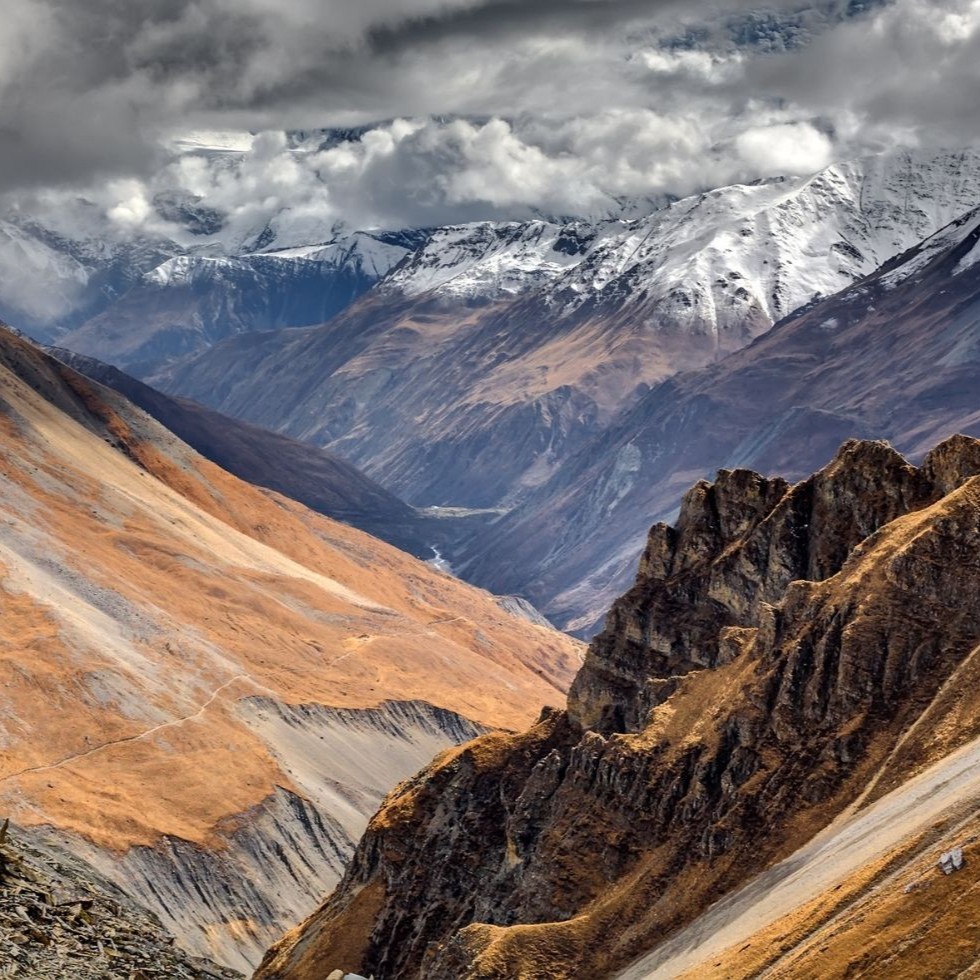
Annapurna in Monsoon: A Risky Adventure or a Lush Paradise?
The Annapurna region is one of the most iconic trekking destinations in the world. While the dry seasons of spring and autumn attract the majority of trekkers, the monsoon (June to September) transforms the region into a dramatically different landscape, lush, vibrant, and alive. Yet, this beauty comes with unique challenges. Trekking Annapurna during the monsoon is a choice that requires careful preparation, flexibility, and respect for mountain conditions.
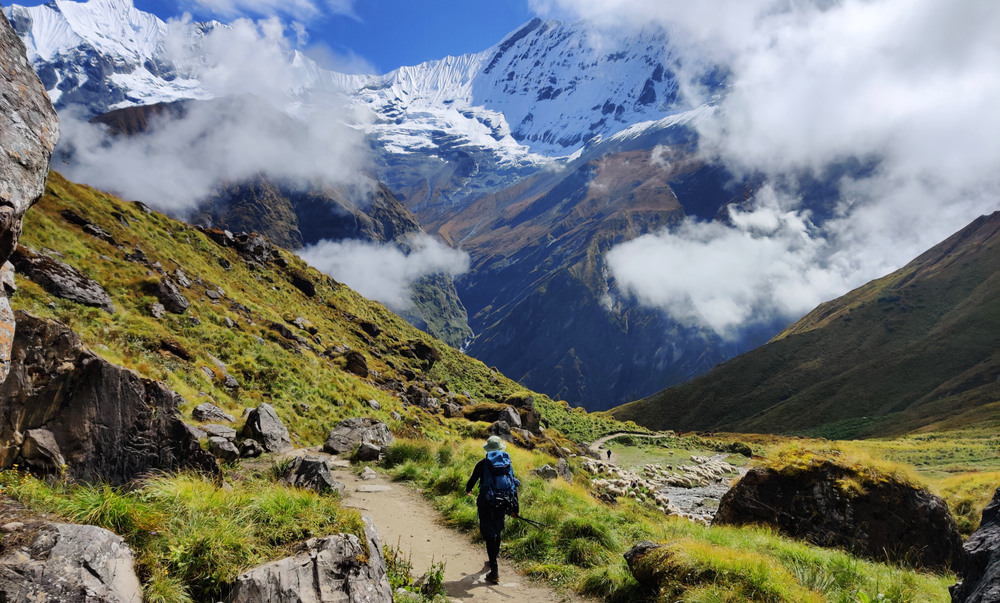
Why Annapurna is Stunning in Monsoon
Monsoon Annapurna is nature at its most abundant:
- Lush Green Valleys: Heavy rainfall revives rice terraces, alpine meadows, and rhododendron forests, creating a vivid green tapestry against the snowy peaks.
- Dramatic Waterfalls and Rivers: Glacial melt and monsoon rains swell waterfalls and streams, offering spectacular sights for trekkers and photographers.
- Quieter Trails: Popular routes like the Annapurna Circuit and Ghorepani-Poon Hill see fewer visitors, providing a peaceful, almost private trekking experience.
- Thriving Wildlife: Birds, butterflies, and seasonal flora flourish during this time, giving trekkers a unique opportunity for wildlife observation.
Monsoon Annapurna offers a sensory experience unlike any other the mountains feel alive, with the smell of wet earth, the sound of flowing rivers, and the dramatic backdrop of clouds hugging the peaks.
The Risks of Monsoon Trekking
While breathtaking, monsoon trekking is not without hazards:
- Landslides and Trail Erosion: Continuous rainfall can destabilize paths, making some stretches extremely slippery or temporarily blocked.
- River Crossings: Heavy monsoon flows increase river danger, requiring caution and sometimes rerouting.
- Limited Visibility: Clouds and rain can obscure mountain vistas, affecting photography and navigation.
- Accommodation Challenges: Remote teahouses may be partially inaccessible, crowded, or closed, requiring careful planning.
- Health Considerations: Damp conditions increase risk of colds, infections, or foot-related issues if proper gear isn’t used.
These risks make experience, local knowledge, and flexibility essential for a successful monsoon trek.
Tips for Trekking Annapurna Safely in Monsoon
- Pick Safer Routes: Lower-altitude treks like Ghorepani-Poon Hill are safer during heavy rain, while high passes like Thorong La require more preparation.
- Use Proper Gear: Waterproof jackets, trekking pants, gaiters, trekking poles, and quick-drying clothing are essential.
- Hire Local Guides: Experienced guides provide real-time updates, avoid risky paths, and help navigate landslides or slippery trails.
- Plan for Flexibility: Monsoon weather can change quickly be prepared to alter your itinerary and allow extra days for delays.
- Stay Hydrated and Protected: Rain increases humidity and physical strain hydration, energy snacks, and sun/rain protection are crucial.
With these strategies, monsoon Annapurna can be safe, rewarding, and unforgettable.
Experience Monsoon Annapurna with Mountain Tiger Nepal (MTN)
Mountain Tiger Nepal (MTN) specializes in responsible trekking in all seasons, including monsoon:
- Local guides with in-depth knowledge of monsoon trail conditions
- Flexible itineraries to maximize safety and scenic experiences
- Secure and comfortable teahouse stays even during heavy rains
- Support for eco-friendly trekking that respects fragile monsoon trails
Witness the lush beauty and unique charm of Annapurna during the monsoon with Mountain Tiger Nepal safely, responsibly, and memorably.
