
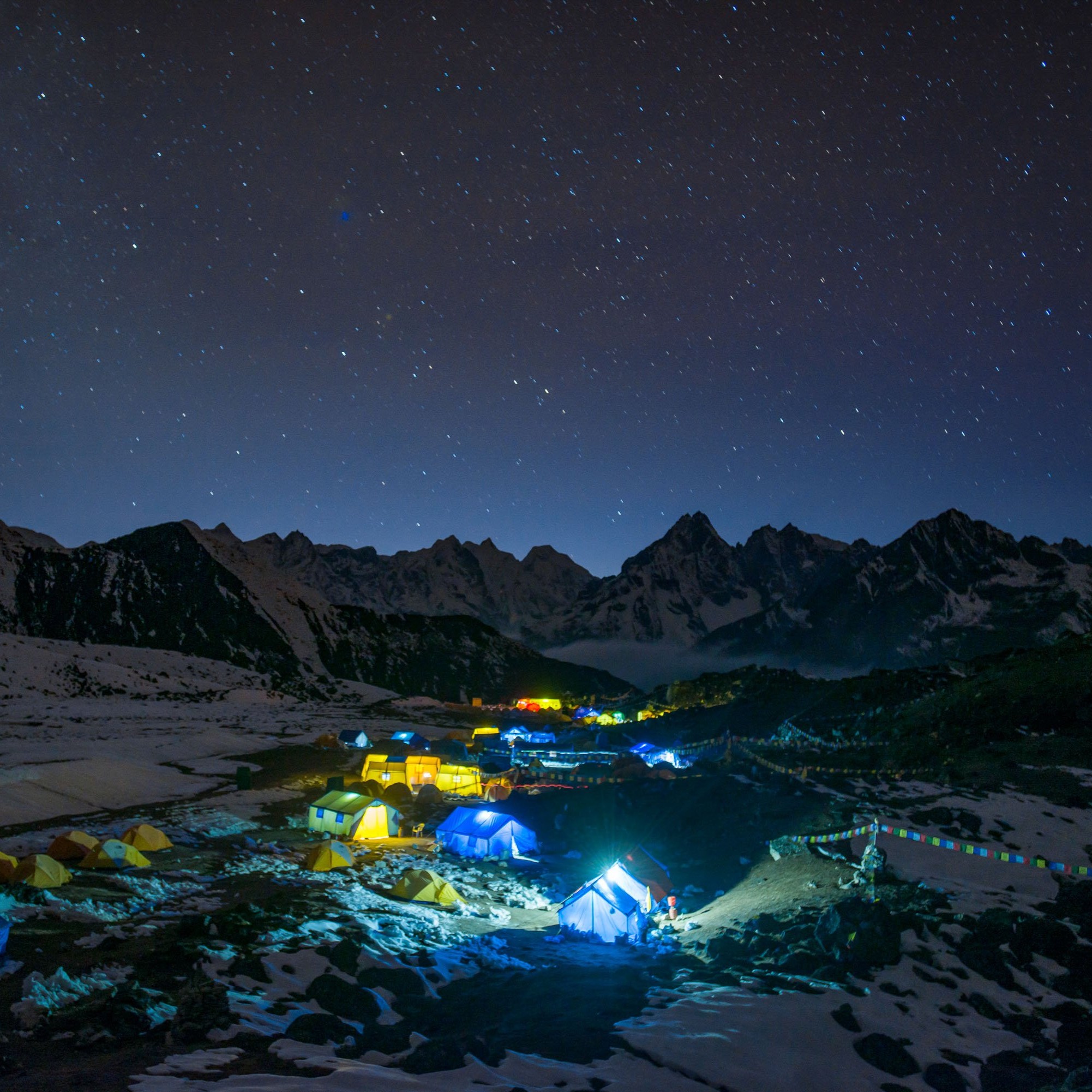
Astro-Trekking in Nepal: Explore the Night Sky Among the Himalayas
Imagine standing on a Himalayan ridge, far from city lights, as the Milky Way stretches across the night sky, stars glitter above, and the silhouettes of snow-capped peaks frame the horizon. Astro-trekking in Nepal offers this magical combination of adventure, serenity, and celestial wonder.
This emerging niche astro-tourism has attracted photographers, stargazers, and trekkers worldwide. It merges high-altitude trekking with night-sky observation, providing an experience that is truly out of this world.
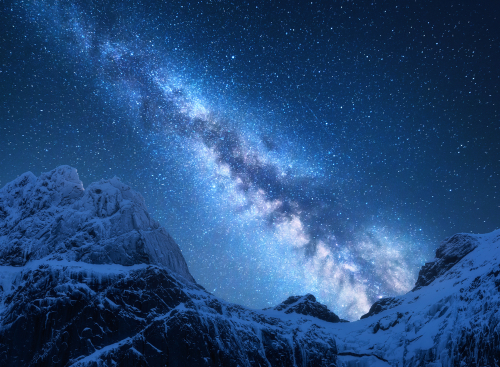
Why Astro-Trekking in Nepal Is Unique
- Minimal Light Pollution: Remote Himalayan trails like Upper Mustang, Langtang, and Upper Dolpo are far from urban lights, offering pristine night skies.
- High Altitude Advantage: The Himalayas’ thin air reduces atmospheric distortion, providing clear and sharp views of constellations, planets, and meteor showers.
- Photography Opportunities: Ideal for astrophotography, long-exposure shots, and time-lapse sequences with snow-capped peaks as foregrounds.
- Cultural & Celestial Connection: Many Himalayan cultures have ancient astronomical and celestial traditions, adding depth to the trekking experience.
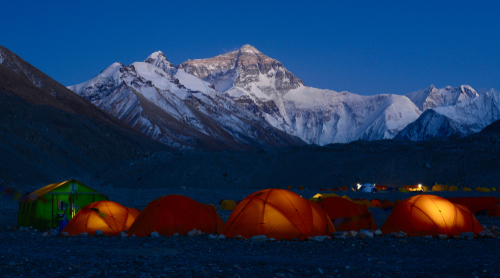
Best Routes for Astro-Trekking
1. Upper Mustang (Lo Manthang & Surroundings)
- Why It’s Ideal: The high desert environment and dry climate ensure exceptionally clear skies almost year-round.
- Highlights: Minimal cloud cover, panoramic ridges, and Tibetan-style villages provide a stunning foreground for astrophotography.
- Best Season: Autumn (September–November) for crystal-clear nights; Spring (March–May) for milky way visibility.
2. Langtang Valley & Tsergo Ri
- Why It’s Ideal: Proximity to Kathmandu yet isolated enough for low light pollution.
- Highlights: Trek through alpine forests, serene valleys, and reach high ridges perfect for night sky observation.
- Best Season: Winter (December–February) for crisp air and longer nights.
3. Upper Dolpo & Shey-Phoksundo National Park
- Why It’s Ideal: Ultra-remote region with virtually no artificial lights, making it perfect for stargazing.
- Highlights: Trek through glacial valleys, high-altitude lakes, and nomadic settlements, combining wildlife, culture, and stars.
- Best Season: Autumn for the clearest skies, avoiding monsoon and harsh winters.
4. Annapurna Foothills & Ghorepani–Poon Hill
- Why It’s Ideal: Popular trekking area but still offers pockets of low light for night photography.
- Highlights: Rhododendron forests and terraced fields make for beautiful silhouettes against the night sky.
- Best Season: Spring and Autumn.
Astro-Trekking Photography & Observation Tips
- Bring the Right Gear: DSLR/mirrorless camera, wide-angle lens (f/2.8 or lower), sturdy tripod, intervalometer, and headlamp with red light.
- Time-Lapse Magic: Capture Milky Way rotations or star trails with long exposure sequences.
- Check the Moon Cycle: New moon periods are ideal for deep-sky astrophotography.
- Dress Warmly: High-altitude nights are freezing—thermal layers, gloves, and hats are essential.
- Acclimatization: Many astro-trekking spots are above 3,000–4,500 meters. Take rest days to avoid altitude sickness.
- Local Knowledge: Guides can identify best viewpoints, and tell stories about Himalayan celestial lore.
Why Choose Mountain Tiger Nepal for Astro-Trekking
Mountain Tiger Nepal (MTN) offers specialized astro-trekking itineraries combining adventure, culture, and night-sky observation:
- Experienced local guides with knowledge of astronomy-friendly trekking spots.
- Customizable itineraries to align with new moon nights, meteor showers, and peak visibility.
- Small-group expeditions for quiet, uninterrupted star-gazing.
- Support for eco-tourism and responsible trekking in fragile Himalayan ecosystems.
Experience the Himalayas under a sky full of stars like never before!
