Baruntse Peak Expedition: Conquer Nepal’s Hidden 7000er
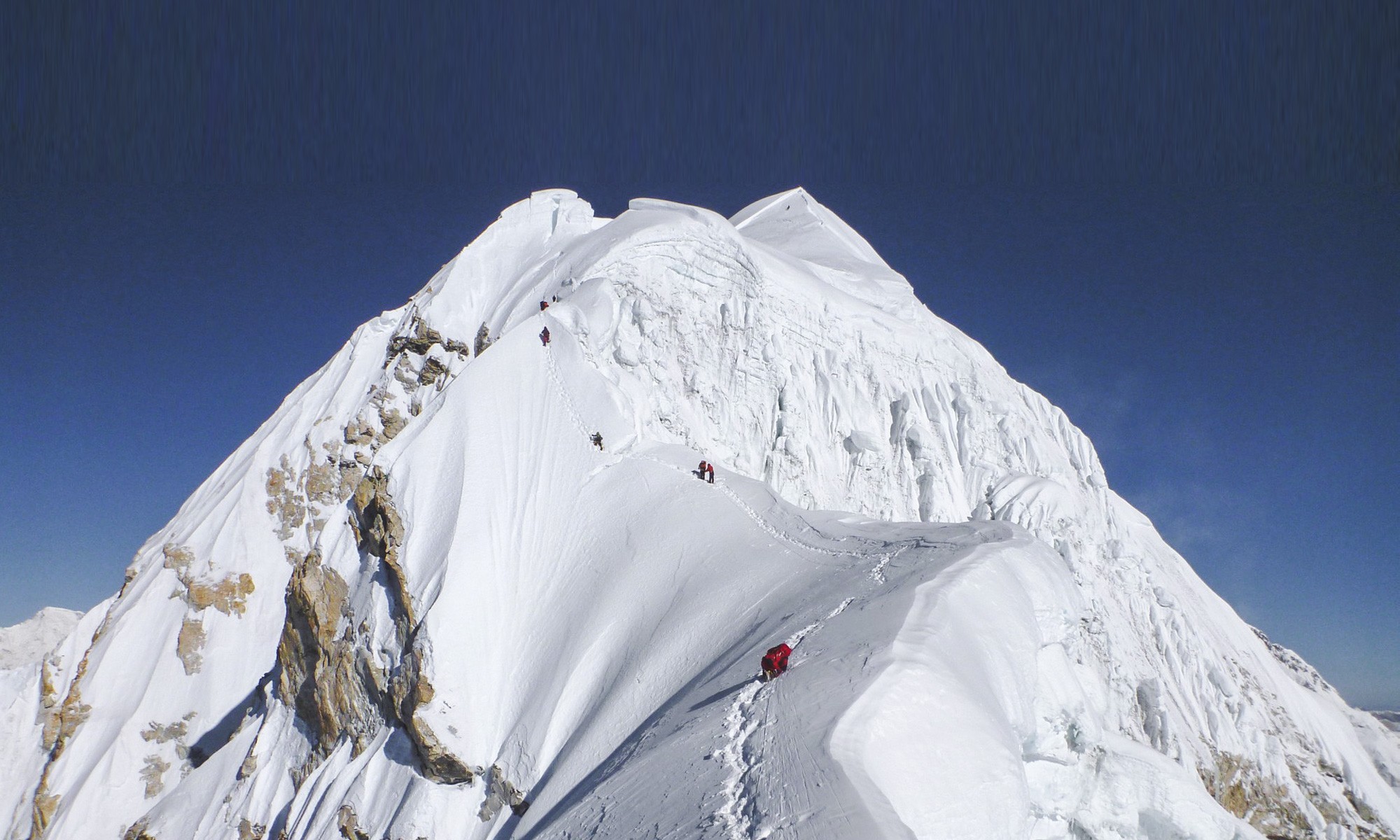
Tucked between some of the world’s highest giants Everest (8,848m), Lhotse (8,516m), and Makalu (8,463m) lies a spectacular and less-crowded Himalayan gem: Baruntse Peak (7,129m). This snow-capped beauty, located in the heart of Nepal’s Khumbu region, offers climbers a rare blend of technical challenge, high-altitude thrill, and raw, isolated beauty.
Regarded as one of the best preparation peaks for future 8000ers, Baruntse is a true expedition ideal for mountaineers looking to graduate from trekking peaks to serious climbing without overwhelming crowds.
About Baruntse Peak
- Elevation: 7,129 meters (23,389 ft)
- Region: Makalu-Barun National Park, Eastern Nepal
- First Ascent: May 30, 1954 by Colin Todd & Geoff Harrow (New Zealand team led by Sir Edmund Hillary)
- Normal Route: Southeast Ridge (SE Ridge)
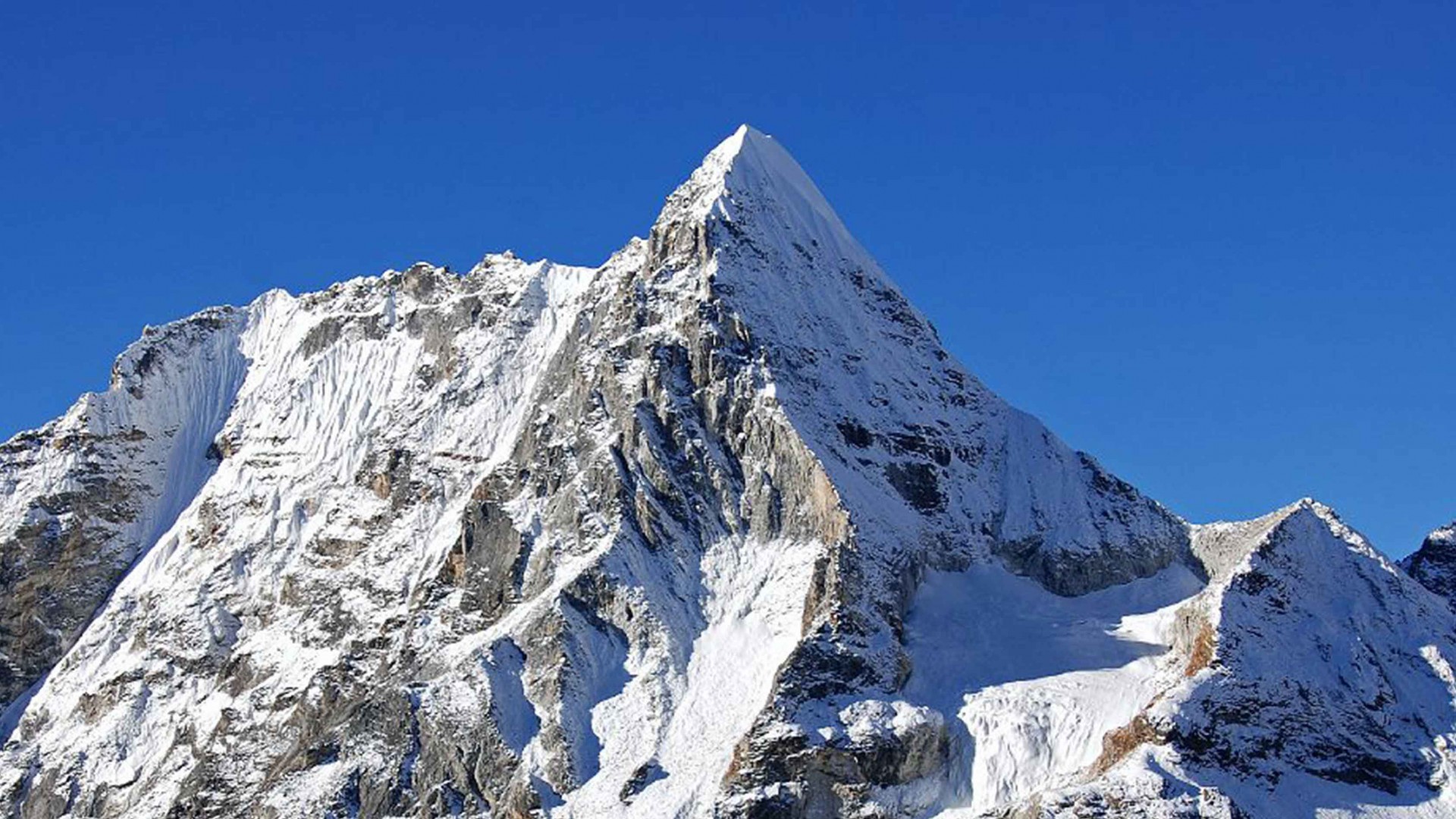
Surrounded by the Imja Glacier, Barun Glacier, and Hunku Glacier, Baruntse is a mountain that dominates the horizon with four distinct peaks, steep ridges, and crevasse-riddled slopes. The SE Ridge, established by the pioneering Kiwi team, remains the standard route today.
Why Climb Baruntse?
Perfect for training for Everest or other 8000m peaks
Far less crowded than Ama Dablam, Manaslu, or Island Peak
A true technical challenge includes fixed rope ascents, ice walls, and exposed ridgelines
Jaw-dropping views of Everest, Lhotse, Makalu, Mera Peak, and beyond
Authentic expedition atmosphere remote, wild, and unforgettable
Note: Although Baruntse is open to advanced beginners, prior mountaineering or alpine climbing experience is mandatory due to the technical nature of the climb and extreme weather conditions.
Baruntse Peak Climbing Itinerary – 34 Days
What Makes Baruntse Challenging?
- Steep ice and snow slopes above 6,000m
- Exposure to high winds and crevasses
- Use of fixed ropes and jumar techniques
- A challenging summit ridge often requiring rope teams
- Risk of avalanches and sudden weather changes
Despite its challenges, Baruntse remains achievable for strong, experienced climbers with the right mindset, fitness, and preparation.
What to Pack – Gear & Clothing Essentials
Clothing
- Moisture-wicking base layers
- Insulating down/fleece jackets
- Waterproof & windproof outer shell
- Gloves (thermal + waterproof), wool socks, gaiters
- Balaclavas, scarves, sun hat, beanies
- Trekking pants and thermal tights
Footwear
- High-altitude mountaineering boots
- Casual shoes or sandals (for camp)
- Ice cleats and crampons
Equipment
- 40–50L backpack with rain cover
- Expedition-rated sleeping bag
- Trekking poles, headlamp (extra batteries)
- UV-protected sunglasses
- Hydration bladder and water bottles
Personal Care & Medicine
- SPF 50+ sunscreen, lip balm, moisturizer
- Personal medications (altitude sickness, allergies, cold, etc.)
- Blister care kit
- Wet wipes, quick-dry towel, toiletries
Other Essentials
- Power bank or solar charger
- Pee bottle/funnel
- Trail snacks (nuts, bars, chocolate)
- Passport photos, ID, permits, and cash
Accommodation During the Expedition
- Kathmandu & Lukla: Standard hotels/guesthouses
- Trek route: Teahouses or basic lodges (where available)
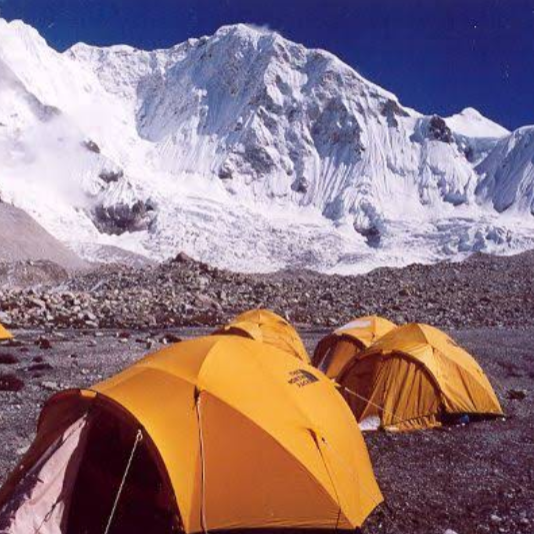
- Above Seto Pokhari/Base Camp: Full camping setup with kitchen staff and porters
- All tents, dining, and kitchen equipment provided by the guiding team
Baruntse isn’t just another summit it’s a rite of passage. For serious climbers, it’s a technical, high-altitude dream nestled among the greatest giants of the world. It offers not just the thrill of reaching 7,000 meters, but the serenity of doing so far from the crowds surrounded by untamed glaciers, whispering winds, and Himalayan majesty.
Ready to take on Baruntse?
Contact us to customize your Baruntse expedition with expert Sherpa guides, full support staff, and logistics to help you climb safely and successfully.