
Breaking the Tape: How Women Fought to Run and Rewrote Sports History
In the world of marathons today, it’s easy to see women at the starting line smiling, stretching, focused. But just a few decades ago, that same starting line was a battleground for gender rights.
This is the untold story of the first female marathon runners, who laced up their shoes not just to run, but to make history.
Boston, 1967: One Bib That Changed Everything
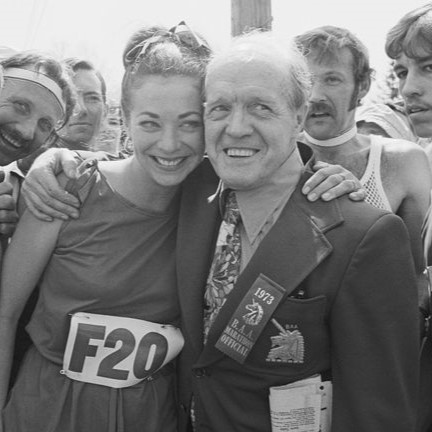
When Kathrine Switzer signed up for the Boston Marathon in 1967 using her initials “K.V. Switzer”became the first woman to officially enter the prestigious race. At the time, women were banned from running marathons under the myth that the distance was “too dangerous” for their bodies.
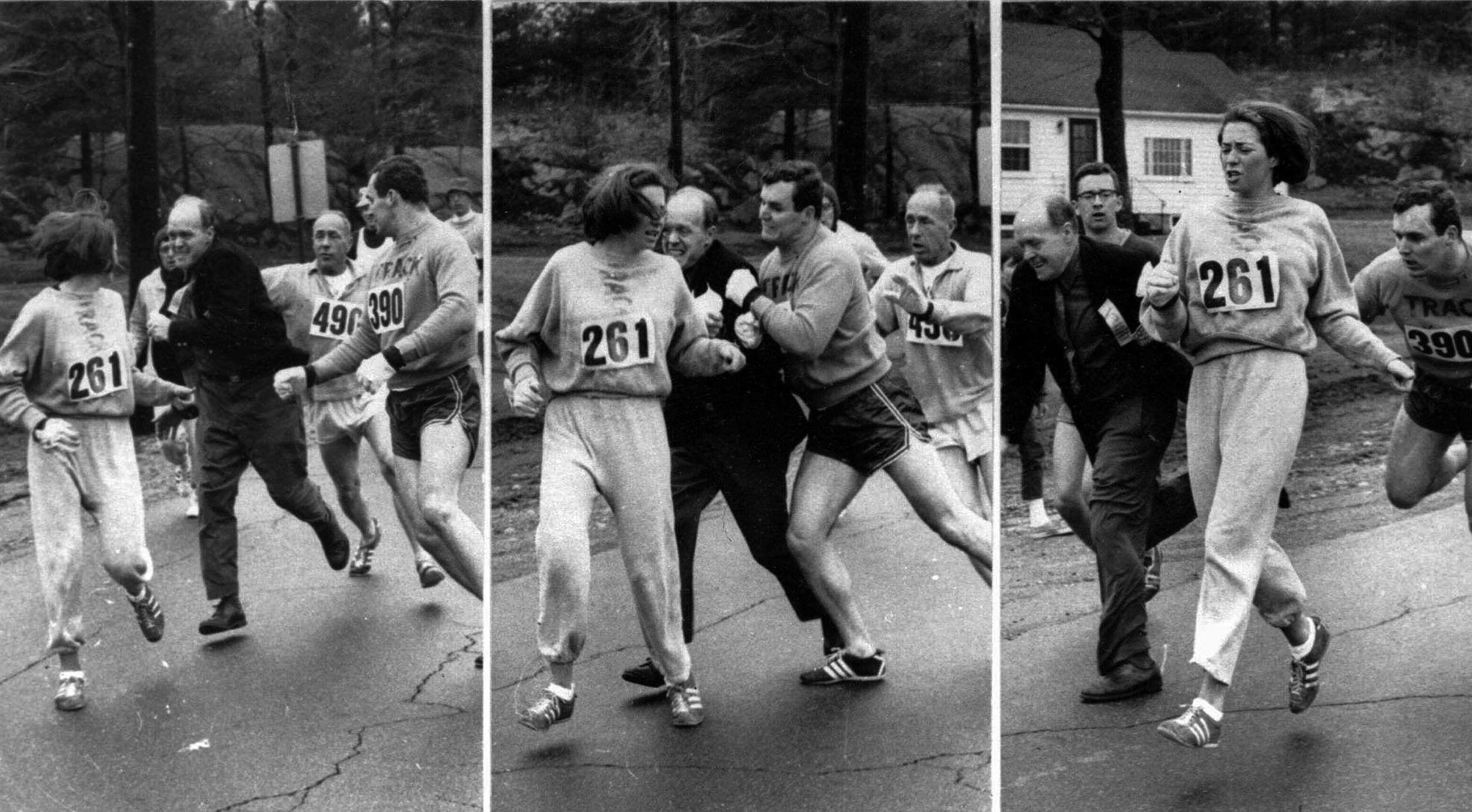
What happened next became a defining image of feminist resistance.
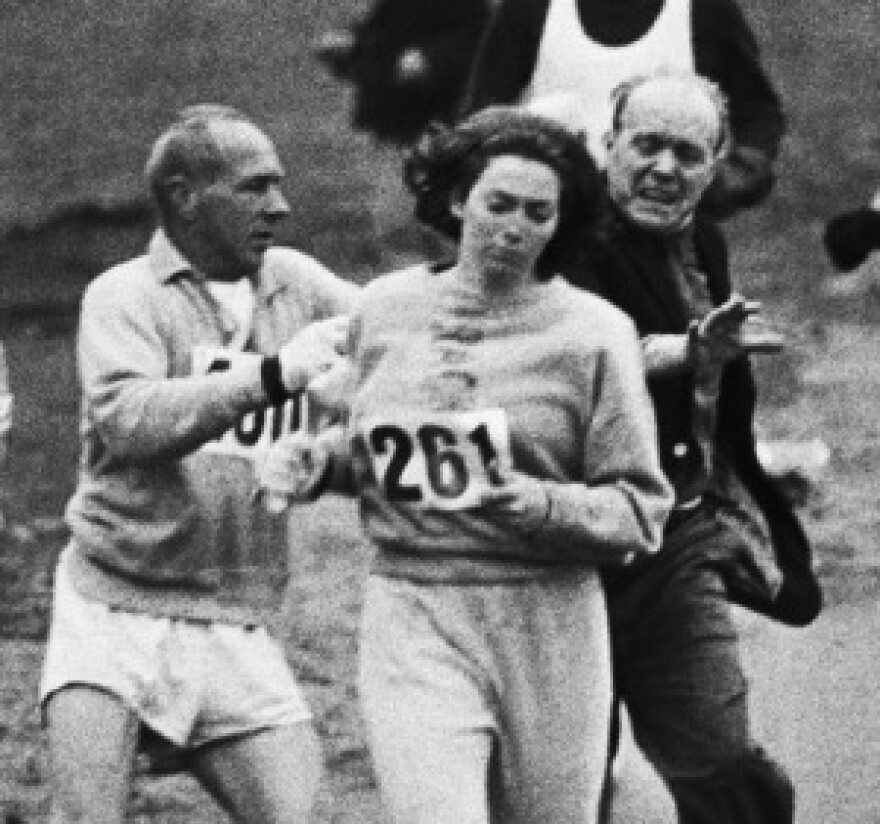
As she ran through the course, race official Jock Semple attempted to physically rip off her bib number mid-race. Switzer’s coach and boyfriend intervened, and she finished the 26.2 miles, refusing to be erased.
That bib number261 has since become a symbol of courage, determination, and equality.
“All I wanted to do was run. But I knew if I quit, nobody would believe women could do it.” — Kathrine Switzer
Before Boston: The Ghosts of Unofficial Runs
Switzer may have been the first officially registered female marathoner, but she wasn’t the first woman to run the race.
In 1966, a year earlier, Roberta “Bobbi” Gibb snuck into the Boston Marathon without a bib and ran the entire course, finishing well ahead of many men. But her feat wasn’t recognized by officials for decades.
Gibb had written to race organizers asking to enter and was told flatly:
“Women are not physiologically able to run a marathon.”
Her protest? She ran it anyway.
The Long Road to Inclusion: Struggles and Milestones
Following the uproar in Boston, a global wave of advocacy began to take shape. Over the next decade, female runners challenged norms around the world:
- 1972: Boston Marathon officially allows female runners
- 1984: The first-ever women’s marathon is held at the Los Angeles Olympics
- 1990s–2000s: Female participation rises globally in both amateur and elite races
Yet the struggle continues in many regions, especially in South Asia and parts of the Middle East, where cultural restrictions still limit women’s access to competitive sports.
More Than Running: A Feminist Movement in Motion
For many of these women, the marathon wasn’t just about proving endurance. It was about claiming space in public life, asserting bodily autonomy, and pushing back against institutional exclusion.
- Running challenged perceptions of female fragility
- It provided a platform for intersectional activism from LGBTQ+ to racial equality
- It inspired generations of girls to dream beyond the finish line
Today, movements like Girls on the Run, 261 Fearless, and countless local female-led running clubs around the world continue that legacy.
From Boston to Kathmandu: What It Means for Nepal
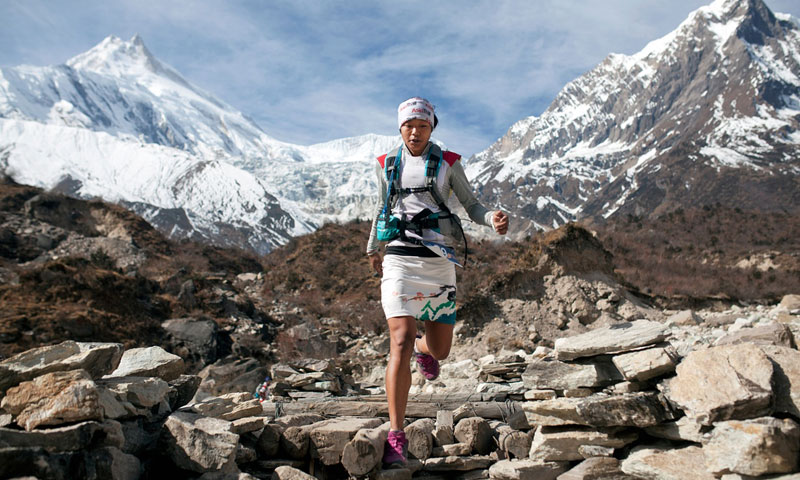
In Nepal, too, female runners are rewriting the narrative. Pioneers like Mira Rai, a former child soldier turned international trail-running champion, have become icons of possibility.
But challenges remain:
- Lack of sponsorship for female athletes
- Societal pressure to prioritize domestic roles over dreams
- Limited access to training facilities and events in rural areas
Yet like Kathrine Switzer or Bobbi Gibb, Nepali women runners are not waiting for permission.
They’re already running.
Final Word: Every Step Is a Statement
The story of the first female marathon runners isn’t just a history lesson it’s a roadmap for progress. Every time a woman crosses a finish line, she’s also crossing boundaries that once held her back.
So when you see a woman run today, know this:
She’s not just chasing a time. She’s chasing freedom.
