
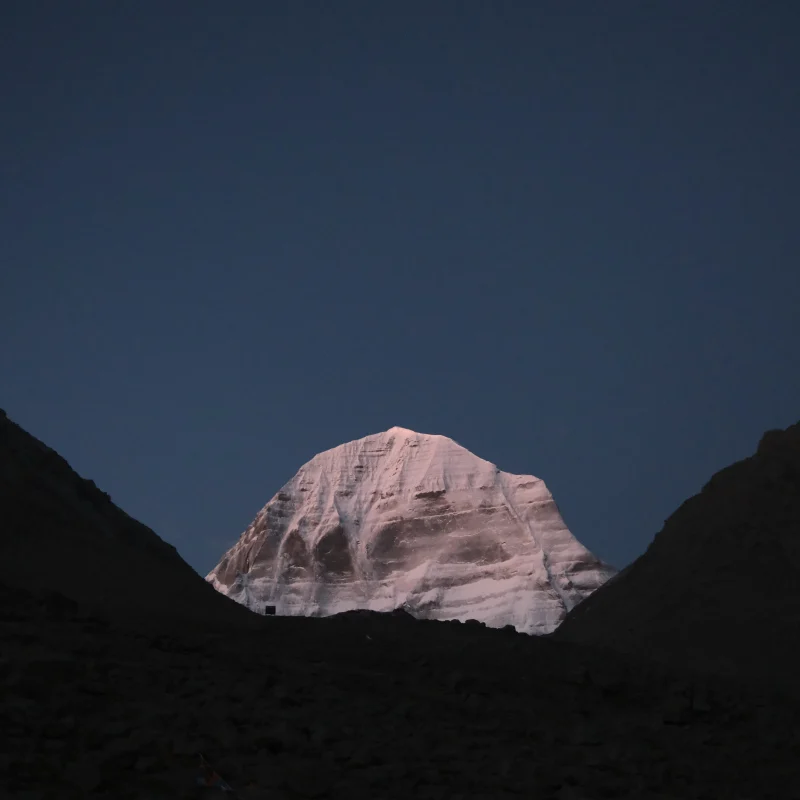
Can Indians Visit Mount Kailash in 2025? Here's What You Need to Know
After a long gap of 5 years, the Chinese authorities have officially confirmed the reopening of the Kailash Mansarovar Yatra for Indian pilgrims in 2025. This momentous announcement has brought immense joy to millions of devotees who have been waiting to undertake this sacred journey to the abode of Lord Shiva.
Mount Kailash is one of the most revered spiritual destinations on Earth, holding profound significance for Hindus who consider it the eternal home of Lord Shiva and Goddess Parvati. For Buddhists, it represents the center of the universe and the home of Buddha Demchok. Jains venerate it as the site where their first Tirthankara attained liberation, while followers of the Tibetan Bon religion regard it as the seat of all spiritual power. Lake Manasarovar and Rakshastal, two prominent lakes near Mount Kailash, are starkly contrasting in both physical characteristics and cultural significance. Manasarovar, a freshwater lake, is revered as sacred in Hinduism, Buddhism, Jainism, and Bon, symbolizing purity, enlightenment, and spiritual liberation. In contrast, Rakshastal, a saltwater lake, is associated with darkness, ego, and imbalance, and is often referred to as the "Lake of the Demon.”
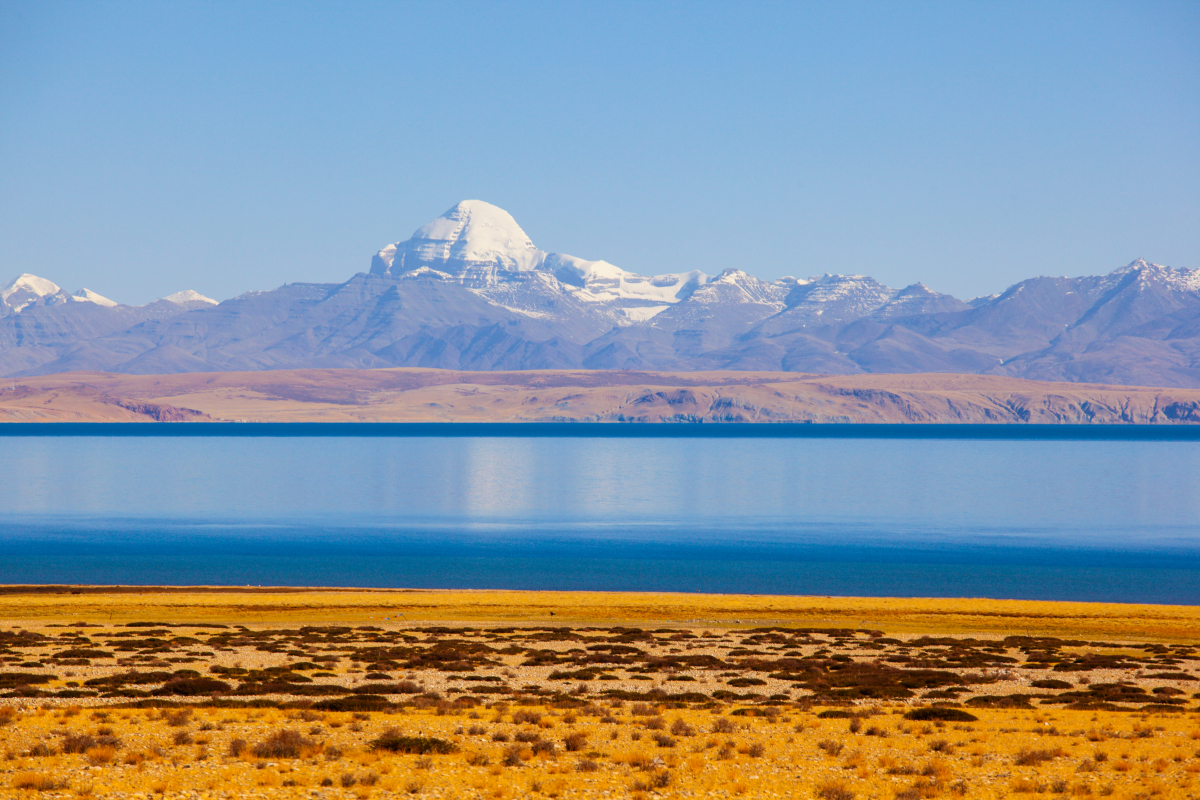
As a site of profound religious significance, Mount Kailash has, over thousands of years, consistently attracted pilgrims and spiritual seekers from both within the Indian subcontinent and beyond. However, the practical realities of accessing these holy sites have been complicated by geopolitical tensions, border restrictions, and evolving diplomatic relationships between the nations that control access to this remote Tibetan plateau. The traditional pilgrimage routes that once carried devotees to Kailash and Manasarovar have faced significant challenges in recent decades, forcing modern pilgrims to navigate not only the physical demands of high-altitude travel but also the complex web of international relations that governs access to these timeless spiritual destinations.
With diplomatic relations between India and China showing signs of improvement, a crucial question emerges: How can Indians actually undertake the Kailash Mansarovar Yatra in 2025, and why are an increasing number of pilgrims choosing to travel via Nepal rather than the traditional Indian routes?
Why Was the Yatra Closed All These Years?
The suspension of the Kailash Mansarovar Yatra from 2020 to 2024 was the result of a perfect storm of geopolitical and health crises that made this sacred journey difficult for Indian pilgrims.
The initial blow came in early 2020 when the COVID-19 pandemic forced governments worldwide to implement strict border closures. China, maintaining one of the world's most stringent zero-COVID policies, sealed its borders to international tourists and pilgrims, bringing the annual Yatra to an abrupt halt. What was initially expected to be a temporary suspension stretched into years as the pandemic persisted.
However, the closure extended far beyond health concerns. The violent clash between Indian and Chinese forces in the Galwan Valley in June 2020 marked a dramatic escalation in border tensions that had been simmering for decades. This confrontation, which resulted in casualties on both sides for the first time in 45 years, effectively froze diplomatic relations between the two nations. The sacred pilgrimage became an unfortunate casualty of this geopolitical standoff.
Even as COVID-19 restrictions began to ease globally, the Yatra remained suspended due to the continued diplomatic freeze. Border infrastructure that had facilitated the pilgrimage for years was rendered inaccessible, and the complex permit system that governed travel to Tibet became nearly impossible to navigate for Indian citizens.
The prolonged closure caused immense disappointment among the millions of devotees who had been preparing for this once-in-a-lifetime spiritual journey. Many elderly pilgrims, who had saved for years and waited for the right time to undertake this arduous journey, found themselves unable to fulfill their spiritual journey as diplomatic tensions persisted year after year.
What Changed in 2025: A Window of Opportunity
The breakthrough came through a series of high-level diplomatic engagements that began in late 2024, culminating in a gradual thaw in India-China relations. Senior military commanders from both nations engaged in multiple rounds of border talks, focusing on disengagement protocols and confidence-building measures along the Line of Actual Control.
The agreement between India and China to reopen the Kailash Mansarovar Yatra was announced in January 2025, marking a significant diplomatic victory for both nations. This decision was part of a broader package of agreements aimed at normalizing relations and reducing border tensions.
The Chinese government's willingness to allow Indian pilgrims back to Mount Kailash represented more than just a religious gesture; it signaled Beijing's recognition of the economic and soft power benefits of religious tourism. The Yatra had historically generated substantial revenue for local Tibetan communities and Chinese tourism operators, making its resumption economically attractive.
The Yatra is set to become effective from June 15th, 2025, with the first groups of Indian pilgrims expected to begin their journey after five years of waiting. However, this reopening comes with significant caveats. The number of permits remains strictly limited, with Chinese authorities maintaining tight control over group sizes and travel schedules. The overwhelming demand from Indian pilgrims, built up over five years of suspension, far exceeds the available slots, making advance booking essential.
The reopening also coincides with improved border management protocols, with both nations having established more sophisticated systems for handling cross-border movement while maintaining security. This infrastructure upgrade has made it possible to resume civilian pilgrimages while keeping military tensions separate from religious tourism.
Routes to Kailash: Why Many Choose Nepal
Understanding the available routes to Mount Kailash is crucial for planning your pilgrimage, as each offers distinct advantages and challenges in 2025.
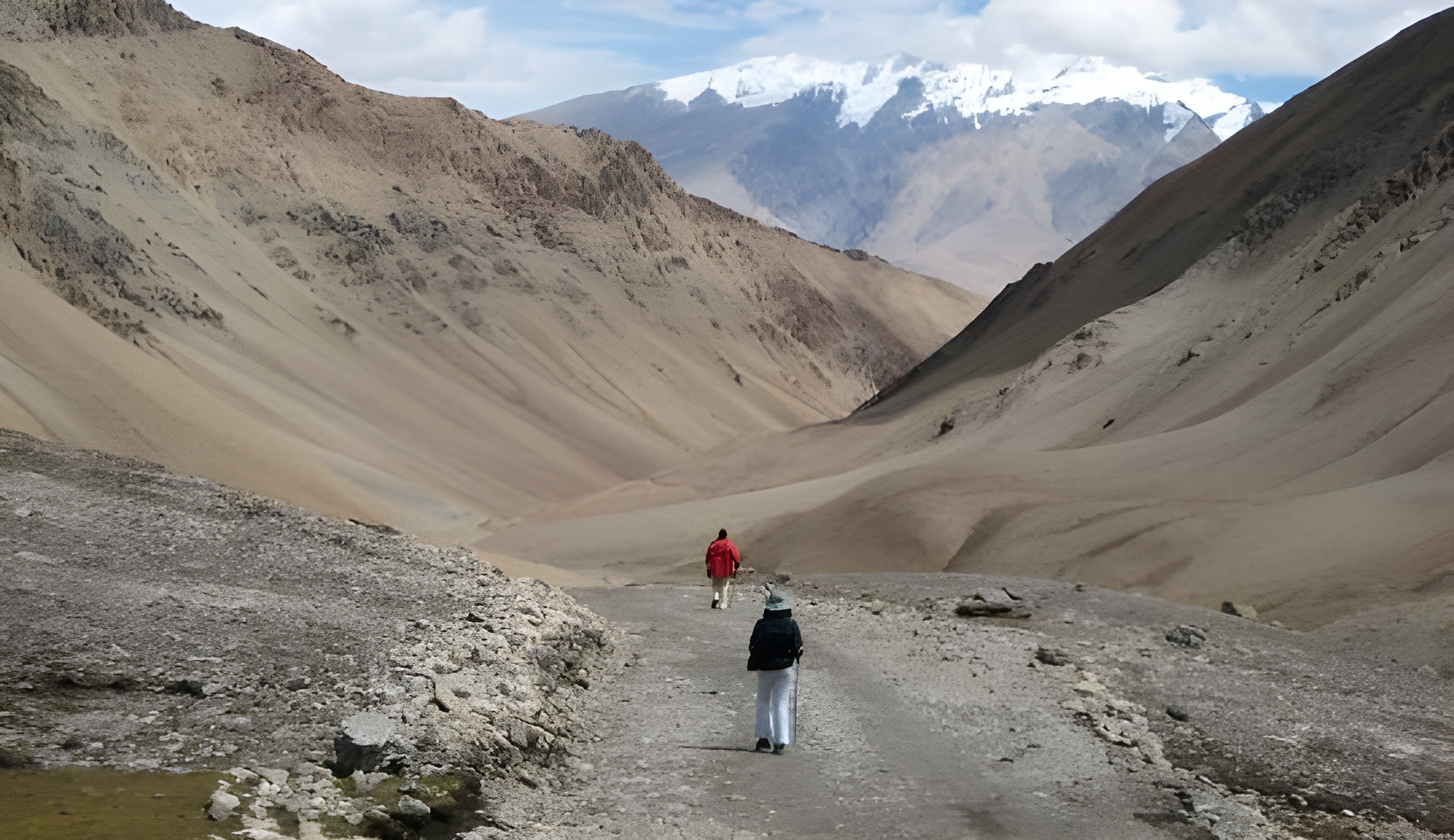
The Lipulekh Pass Route (Uttarakhand, India) has traditionally been one of the most challenging yet spiritually rewarding paths to Kailash. This route involves five batches of 50 pilgrims each and is now fully motorable, minimizing the need for strenuous trekking. However, it requires significant physical fitness due to the high altitude and rugged terrain. The journey typically takes 24-26 days and involves camping in basic facilities. While this route offers the authentic experience of following ancient pilgrimage paths, it's limited by weather windows and requires extensive preparation.
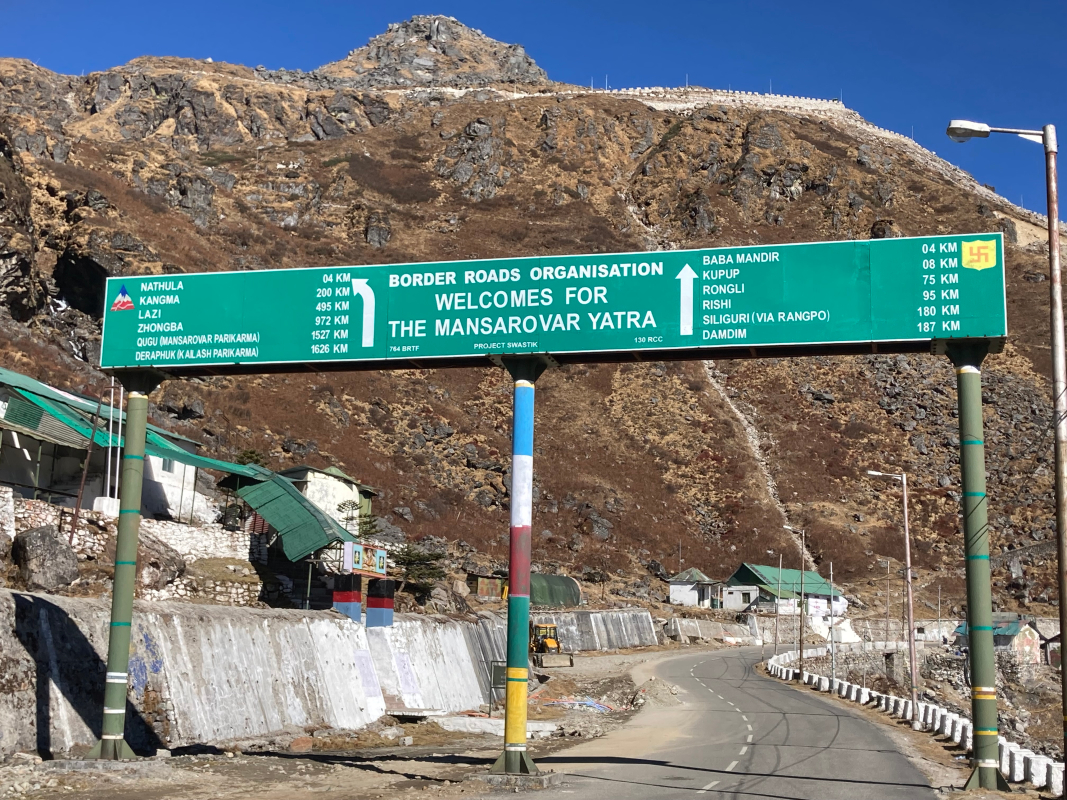
The Nathu La Pass Route (Sikkim) was historically popular due to its relatively better road conditions and infrastructure. This route is planned to accommodate ten batches of 50 pilgrims each in 2025. However, this route has faced intermittent closures due to border sensitivities and weather conditions. The journey through Sikkim offers stunning Himalayan views but requires multiple permits and is subject to strict scheduling by Indian authorities.
The Nepal Route via Kathmandu-Rasuwagadhi-Kyirong has emerged as the most practical and preferred option for Indian pilgrims in 2025. About 95% of people choose this route due to it being easy, convenient and budget-friendly. This route offers several compelling advantages that make it increasingly attractive to modern pilgrims.
The Nepal route eliminates the lottery system that governs the Indian routes, allowing pilgrims more flexibility in planning their journey. This route also allows pilgrims to combine their spiritual journey with cultural exploration of Nepal, adding value to their overall experience.
The most popular route is now through Kyirong as it provides a relatively smoother travel experience, with travelers embarking on a scenic drive from Kathmandu to Kyirong via the Rasuwagadhi border. The infrastructure along this route has been significantly improved in recent years, with better roads, communication facilities, and accommodation options making the journey more comfortable for pilgrims of all ages.

Altitude and Acclimatization Considerations The Nepal route reaches maximum altitudes of 5,630 meters at Dolma La Pass, making proper acclimatization essential. The itinerary includes built-in acclimatization days, but pilgrims should arrive in good physical condition and consider spending additional days in Kathmandu or Kyirong if needed. Altitude sickness can affect anyone regardless of fitness level, making it crucial to ascend gradually and listen to your body.
How to Join the 2025 Yatra via Nepal: A Complete Guide
The journey of Kailash Mansarovar Yatra via Nepal requires careful planning and attention to numerous details. Here's a comprehensive guide to help you navigate the process successfully.
Essential Documentation Requirements Your journey begins with ensuring you have the proper documentation. An Indian passport with at least 6 months of validity remaining is absolutely essential. Indian citizens will require a foreign and inner line permit for the Yatra, whereas foreign nationals will need a Tibet Travel Permit and a Chinese Visa. The group visa process is handled by registered tour operators in Nepal, but you'll need to provide multiple passport-size photographs, completed application forms, and proof of your travel insurance.
Medical Fitness Assessment Given the extreme altitudes and physical demands of the journey, a comprehensive medical fitness test is strongly advisable. This should include cardiovascular screening, lung function tests, and a general health assessment by a qualified physician. People with heart conditions, severe hypertension, or respiratory problems should consult specialists before attempting this pilgrimage. The medical certificate will also be required for permit processing.
Why Book Early and Plan the Kailash Yatra with Mountain Tiger Nepal
With the Mount Kailash Yatra 2025 finally reopening for Indian citizens, permits are in high demand and limited in number. Booking early is essential, not just to secure your slot but also to allow time for passport formalities, health checkups, and proper acclimatization to high altitudes.
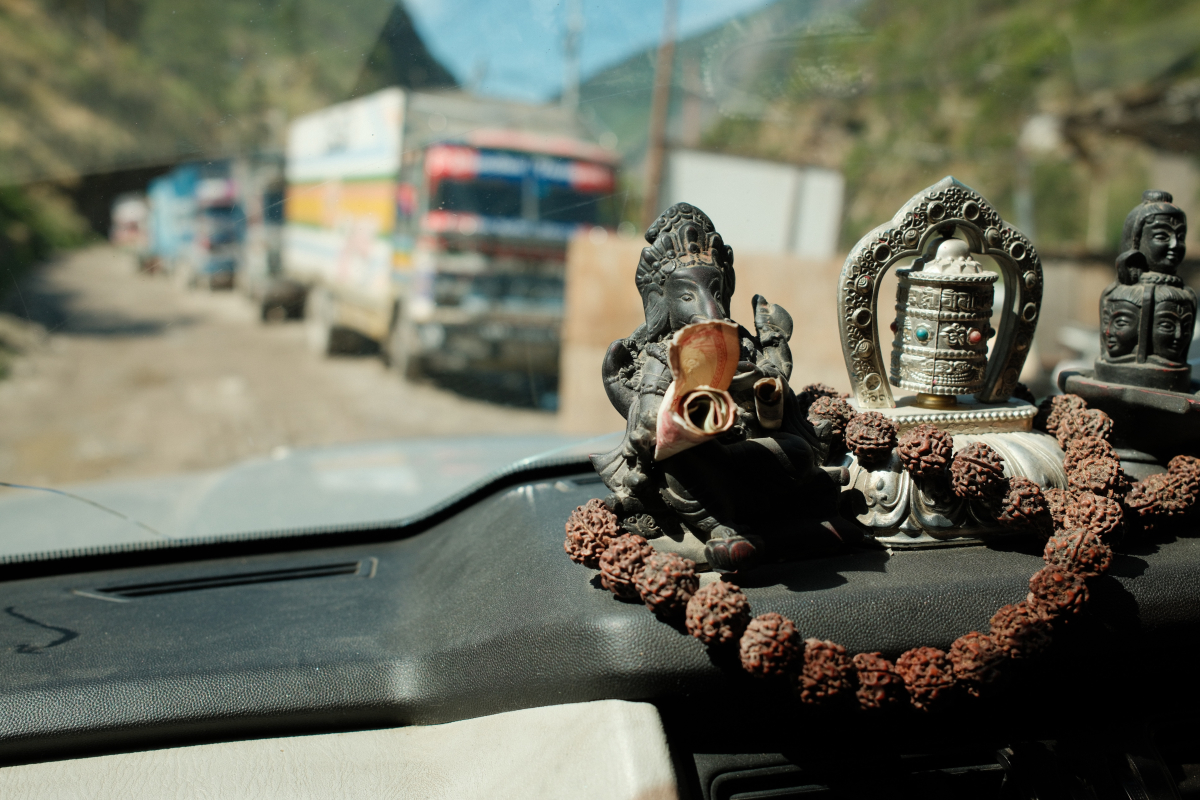
For Indian pilgrims planning to visit Mount Kailash via Nepal, working with an experienced and registered tour operator such as Mountain Tiger Nepal is crucial. The overland route through Kathmandu, Rasuwagadhi, and Kyirong requires a group visa, Tibet Travel Permit, and careful coordination with Chinese authorities. These are best handled by Nepal-based agencies familiar with the process.
At Mountain Tiger Nepal, we specialize in organizing the Kailash Mansarovar Yatra for Indian pilgrims via Nepal. Our all-inclusive packages cover everything from visa processing, permits, and comfortable transport to expert guides, oxygen support, and emergency care. We offer flexible dates, pre-yatra acclimatization, and options to visit additional sacred sites in Nepal like Pashupatinath Temple, Muktinath, or Lumbini before or after the Yatra.
Among the available route options, the Kailash Yatra via Nepal has become the preferred choice for Indian pilgrims. It avoids the lottery-based Indian routes and offers a smoother travel experience through Nepal and Tibet. The Kathmandu to Kyirong route provides easier logistics, better road conditions, and flexibility in group size and travel dates.
We, at Mountain Tiger Nepal, are committed to making your journey to Mount Kailash and Lake Mansarovar safe, meaningful, and well-organized. We will manage your permits as well as guide you in high-altitude, we manage every small detail so you can focus on your spiritual path.
