
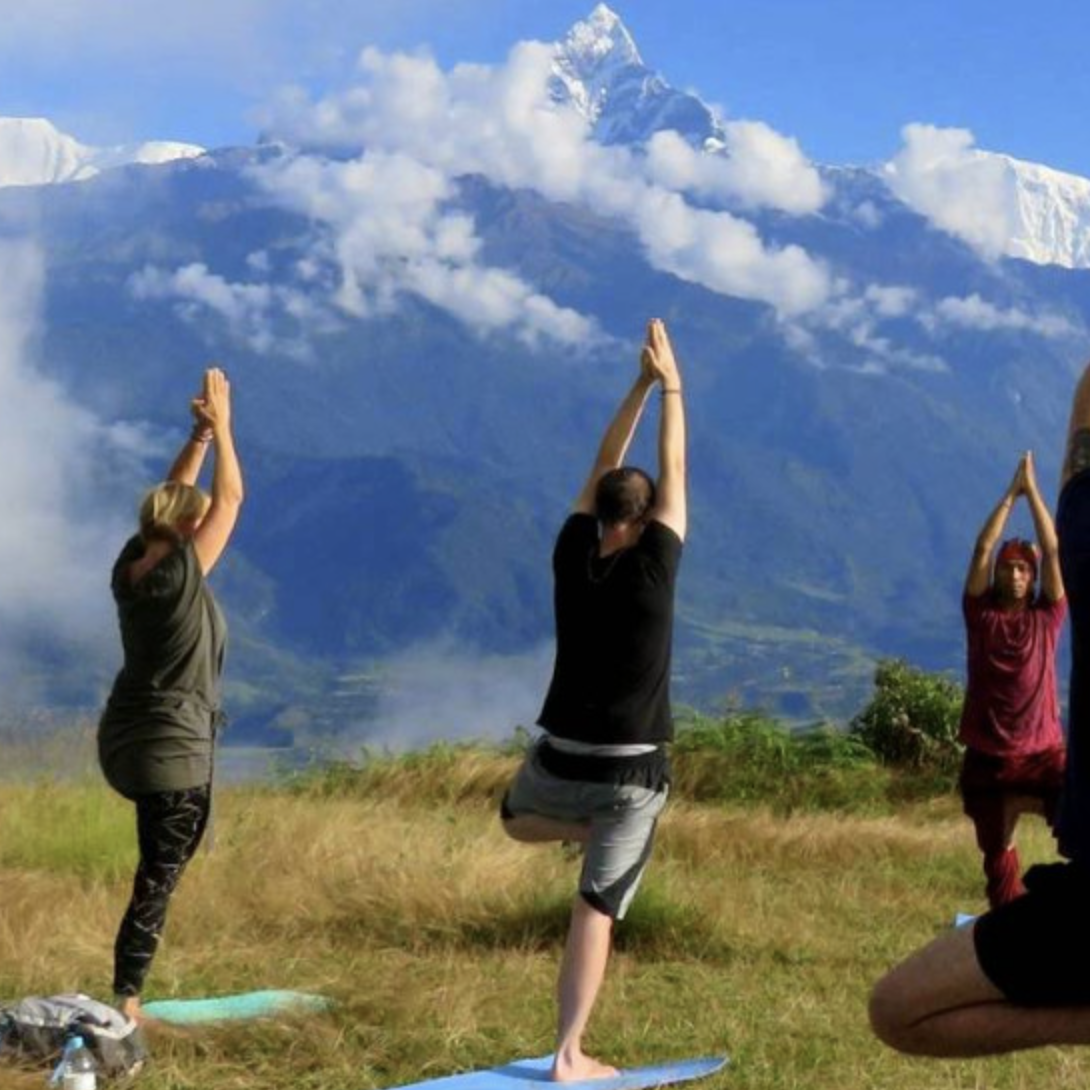

Can Nepal Make Trekking a Year-Round Experience?
Rethinking Nepal's Trekking Calendar for a sustainable, twelve-month adventure.
For decades, Nepal's trekking industry has been built around two familiar windows: spring and autumn. March to May brings warmer days and blooming rhododendrons. September to November brings clearer skies and stable weather.
These seasons remain important. They are popular for good reason. But there is another question Nepal's trekking industry increasingly needs to ask:
"What if Nepal stopped thinking of trekking as a two-season business?"
The country has an extraordinary geographical advantage. Within a relatively short distance, Nepal moves from subtropical lowlands to middle hills, alpine valleys, high Himalayan passes and trans-Himalayan deserts. Altitude, rainfall, temperature, vegetation and landscape can change dramatically from one region to another.
That means the conditions that make one trekking route unsuitable can simultaneously make another route particularly interesting.
Monsoon
Everest may be cloudy, but the rain-shadow landscape of Upper Mustang remains comparatively dry.
Winter
High passes are difficult, but lower-altitude trails around the Annapurna foothills provide rewarding walks.
Spring & Autumn
Spring transforms forests into landscapes of colour, while autumn offers clear Himalayan skies.
Nepal Already Has the Geography for a Longer Trekking Season
Nepal's climate is influenced heavily by altitude and the Himalayan range. The Nepal Tourism Board notes that average temperatures decrease by around 6°C for every 1,000 metres of elevation gained. Around 80% of Nepal's rainfall occurs during the monsoon period, while areas such as Mustang and Manang sit in rain-shadow zones.
A trek at 5,000 metres cannot be treated in the same way as a trek at 2,000 metres. A southern-facing trail cannot be expected to behave like a trans-Himalayan valley. The foundation for a year-round trekking strategy therefore already exists. The challenge is turning geographical diversity into a more diversified tourism calendar.
The Seasonality Problem
Tourism infrastructure does not disappear when the high season ends. Lodges remain. Restaurants remain. Guides and porters remain part of the local economy. A business that earns most of its annual income during two concentrated periods is fundamentally different from one that has a more distributed flow of visitors.
The Seasonal Trekking Portfolio
Hover over the seasons to explore how Nepal's landscape adapts to offer unique experiences throughout the entire year.

Spring: Rhododendron Country
Forests fill with color, turning the trail into a botanical journey.
- Annapurna Foothills
- Ghorepani Poon Hill
- Langtang & Helambu
Summer: Behind the Himalayas
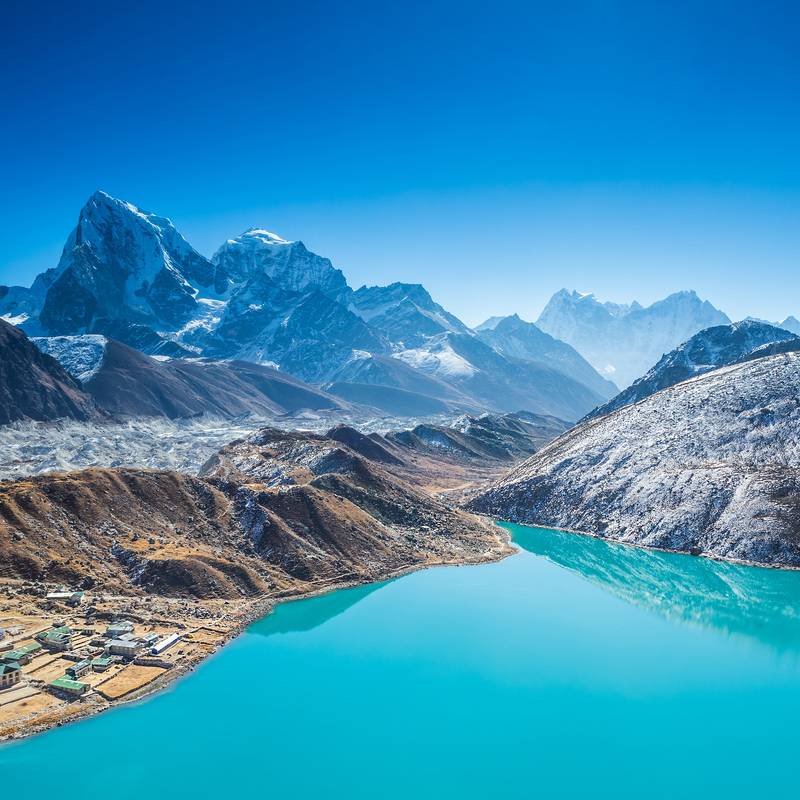
Rain-shadow areas remain dry, revealing trans-Himalayan deserts and ancient culture.
- Upper Mustang
- Upper Manang
- Dolpo Region
Autumn: High-Altitude Classic
Clear atmospheres and perfect visibility for Nepal's most iconic mountain journeys.
- Everest Base Camp
- Annapurna Circuit
- Manaslu Circuit

Winter: Lower the Altitude
Clear views and cultural walks without committing to high-altitude expeditions.
- Ghorepani & Lower Annapurna
- Cultural Village Stays
- Kathmandu Rim Treks
From “Best Time to Visit” to “Best Route for This Month”
Perhaps the biggest change Nepal's trekking industry could make is linguistic. For years, travellers have been trained to ask: "What is the best month to trek in Nepal?"
A more useful question could be: "Where should I trek in Nepal during the month I am travelling?"
Imagine a traveller arriving in July. Instead of receiving a generic message that says "July is monsoon and not recommended," they could be presented with a dynamic seasonal map.
Dynamic Seasonal Route Map
Rhododendron & Forest Trekking
Rain-shadow Trans-Himalayan Trekking
High-altitude Classic Trekking
Lower-altitude Clear View Trekking
Could Trekking Become More Than a Seasonal Product?
Nepal does not need to convince every traveller to trek in December. Nor does it need to turn every monsoon month into a trekking season. The more realistic opportunity is to connect the right traveller with the right route at the right time.
That means thinking in three dimensions: Season (What is the weather doing?), Elevation (Which altitude is appropriate?), and Geography (Which side of the Himalayan range offers the best conditions?).
Mountain Tiger Nepal: Trek Beyond the Calendar
At Mountain Tiger Nepal, we believe trekking should be designed around the destination, the season, and the traveller, rather than forcing every journey into the same calendar.
"Where should we trek in Nepal when you are ready to go?"
Plan Your Year-Round AdventureYour Adventure for Nepal • Tibet • Bhutan Starts Here
