
Cave Adventure in Nepal: Exploring the Underground Wonders
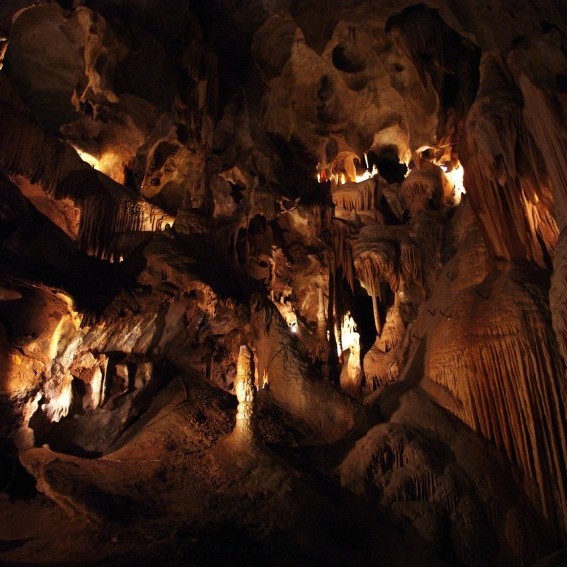
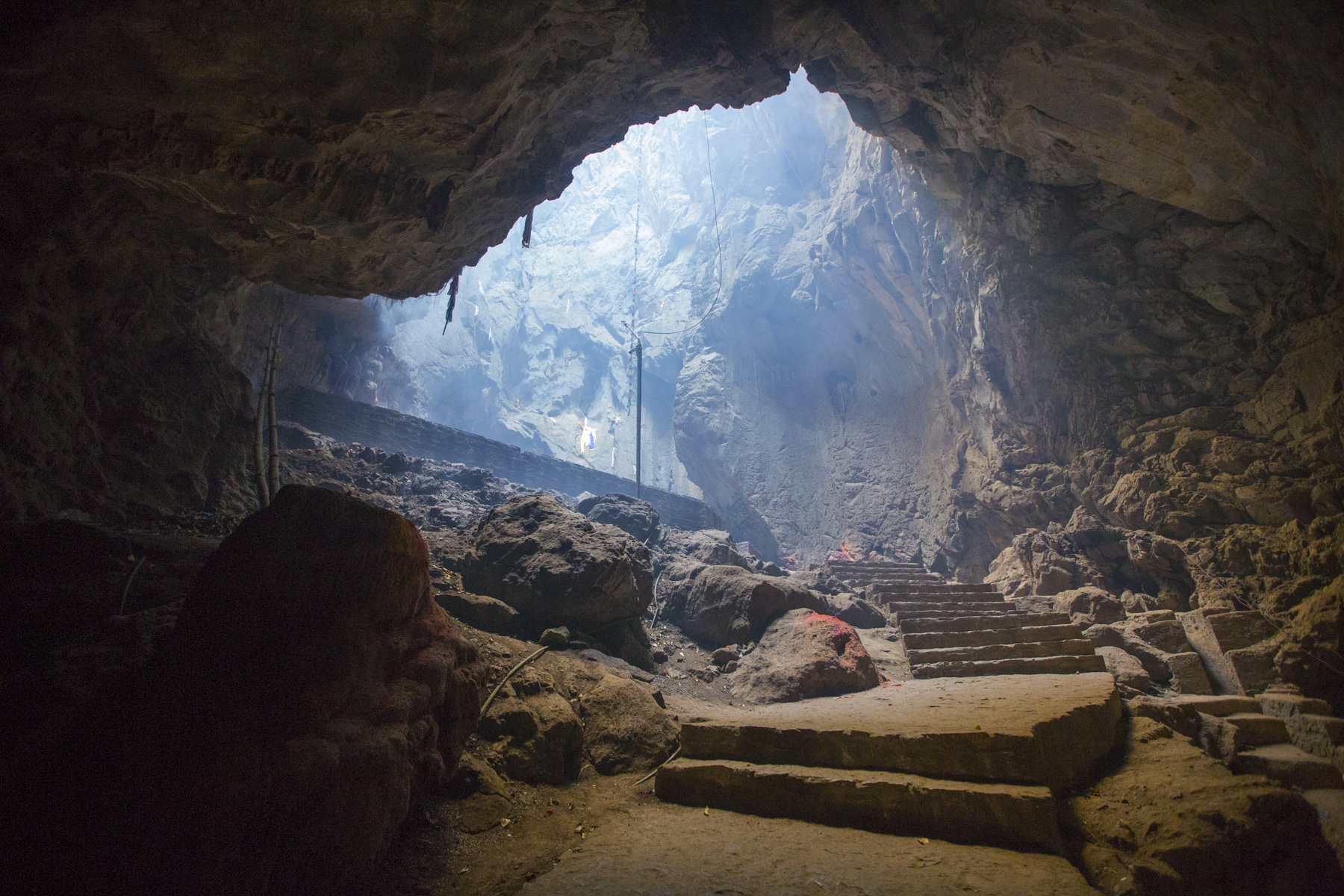
Cave exploration (spelunking) in Nepal is an underappreciated but thrilling form of adventure tourism. Nepal has hundreds of documented caves across different regions — from sacred pilgrimage caverns to wild limestone systems — making it a hidden gem for adventure travelers, spiritual seekers, and geology enthusiasts alike.
Key Caves to Explore
Here are some of the most fascinating and accessible caves in Nepal, plus lesser-known ones worth serious spelunking:
1. Gupteshwor Mahadev Cave (Pokhara)
- Located in Pokhara, near Davis Falls (Patale Chhango).
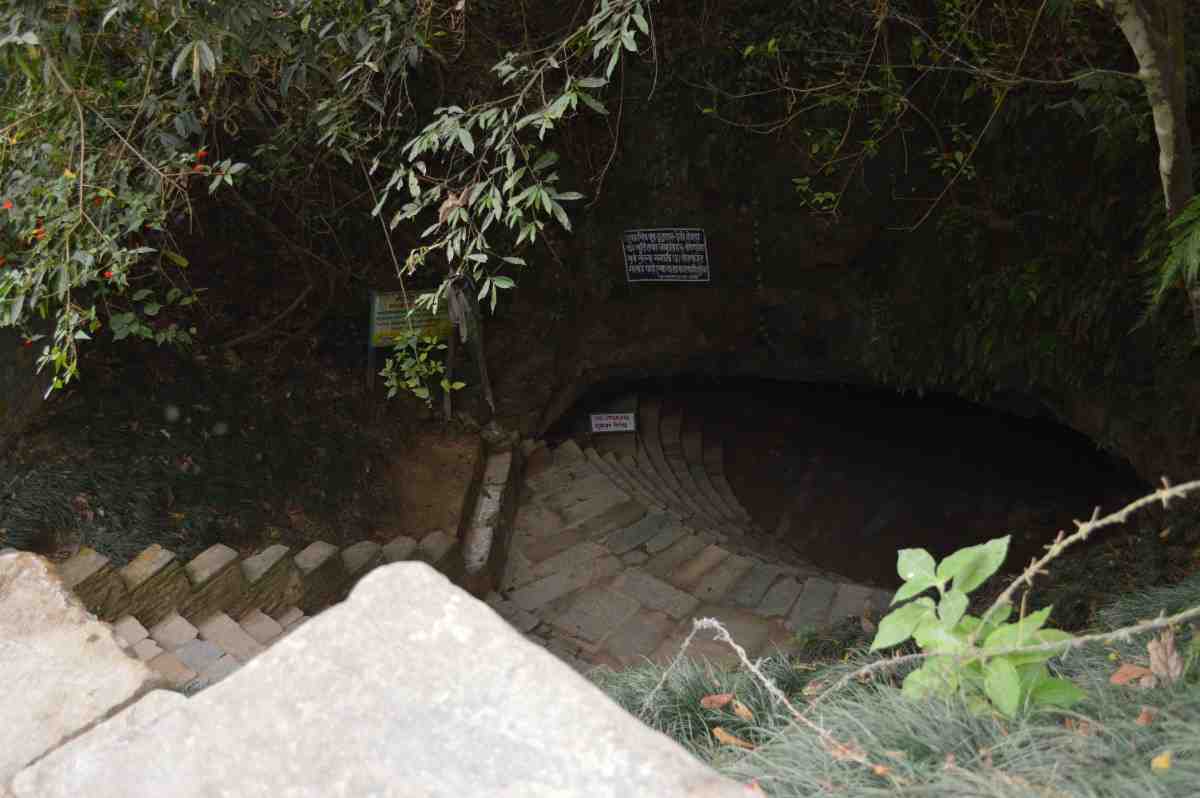
- This is a show cave, with lit pathways, two main chambers, and a shrine dedicated to Lord Shiva.
- The cave is about 2,057 meters long (visitor-accessible part) and has narrow passages and crawl zones.
- Important: part of the cave system opens into the river passage that connects with Davis Falls.
- Seasonal access: some parts may be closed during the monsoon (June–Sept) due to flooding.
Why Visit: Combines spiritual, geological, and adventure – the Shiva lingam, waterfalls, and intricate rock formations make it compelling.
2. Mahendra Cave (Pokhara)
- A well-known limestone cave roughly 200 meters long.
- Famous for stalagmites and stalactites, plus a small underground Shiva shrine inside.
- The corridors can be narrow and dark; about half is lit, but you’ll need a flashlight or headlamp for full exploration.
- Located about 30 minutes from Pokhara Lakeside; accessible by taxi or bus.
3. Bat Cave (Chamero Gufa)
- Also in Pokhara: a limestone cave system known locally as Chamero Gufa.
- About 150 meters long, it’s home to a large colony of horseshoe bats.
- There’s a narrow exit (smaller than the entrance) that requires a bit of agility — longtime locals say “only a pure soul may pass.”
- Best time to visit: spring, when bat activity is highest.
4. Milarepa Cave (Manang)
- Located in the Manang District, on the Annapurna Circuit trail, at about 13,450 ft elevation.
- Historically significant: it’s believed that Milarepa, the famed Tibetan Buddhist wandering saint, meditated here.
- The cave is relatively remote and requires a trek to reach — the approach involves steep moraine and scree slopes.
- There is a small gompa (monastery) nearby, and local spiritual practices are still observed around the cave.
5. Siddha Cave (Bandipur / Tanahun)
- One of Nepal’s largest natural caves.
- Located near Bandipur (in Tanahun), about 437 meters long and up to 50 meters high in some parts.
- The cave features dramatic chambers, stalactites & stalagmites, and very little artificial lighting — for a genuine spelunking feel.
- Requires decent physical fitness to trek to and navigate, especially inside where the floor may be uneven or slippery.
6. Sita Cave (Gorkha)
- Located in Sulikot (Gorkha district) at about 1,165 m elevation.
- Historically and culturally important: associated with Gurung priests, with wall pictographs of cows, bees, tigers, and other symbols.
- The cave is very narrow in parts (just ~2 feet wide at some points) but has deep vertical walls.
- A Ram Navami festival is held near the cave, making it a pilgrimage as well as an exploration site.
7. Mustang / Sky Caves (Upper Mustang)
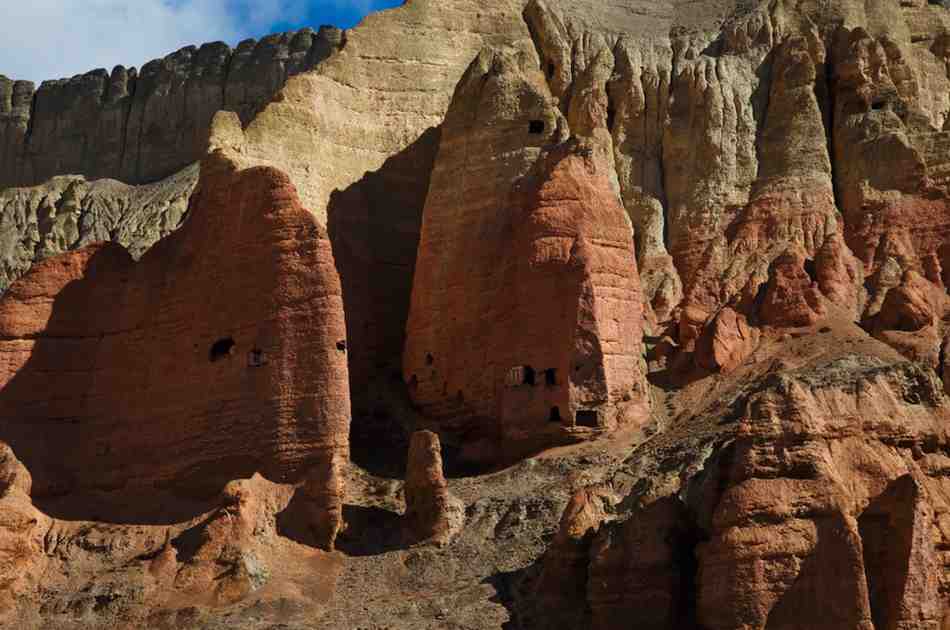
- Perhaps the most fascinating: thousands of man‑made caves (estimates up to ~10,000) carved into the cliffs near Lo Manthang in Upper Mustang.
- These caves are historically significant — archaeologists have found mummified human remains, Buddhist paintings, manuscripts from the 12th–14th century.
- Some caves are very old and structurally fragile, and accessing them often requires trekking or specialized guides.
- Conservation status: The caves are part of UNESCO tentative list for the region, highlighting their cultural and archaeological importance.
Geology & Significance of Nepalese Caves
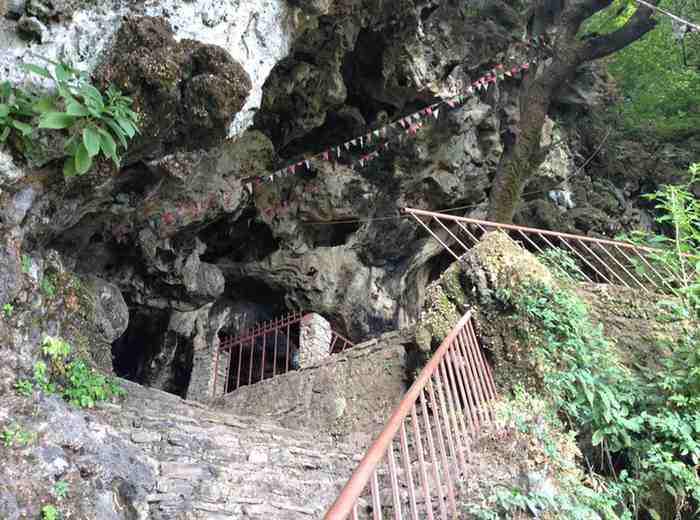
- According to academic research, 222 caves have been documented in 56 of Nepal’s 77 districts.
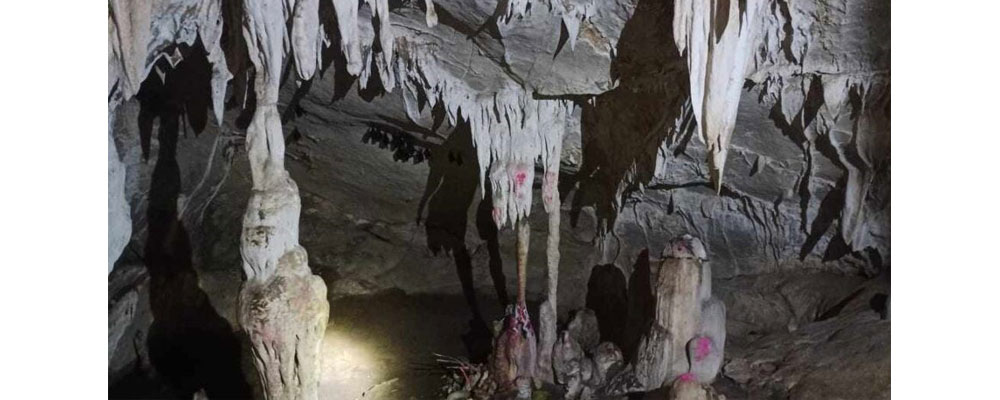
- Many caves in Nepal are karst limestone, especially around Pokhara, which allows for interesting karst features like stalactites, underground streams, and collapsed caverns.
- Some caves have dual significance: geological wonders and spiritual sites. For example, Mahendra Cave (limestone + Shiva shrine) Gupteshwor has sacred shrines inside.
Adventure Caving Tips (For Explorers)
- Bring a headlamp or flashlight: Many cave sections are pitch-dark.
- Wear good shoes: Slippery rocks, uneven floor, water drips – proper grip is critical.
- Use a local guide: For caves like Mustang or Siddha, local guides can help navigation, point out archaeological sites, and improve safety.
- Respect religious sites: Gupteshwor and other caves have sacred shrines — respect local customs, and remove shoes if required.
- Time your trip right: Monsoon (June–Aug) can make cave exploration risky due to flooding. According to show-caves data, Gupteshwor can be closed during monsoon.
- Safety first: Some caves, like the Harpan River Cave, have active stream passages — explore with caution, especially after rain
Why Cave Adventure in Nepal Is a Hidden Gem
- Diverse experiences: From spiritual pilgrimage (Gupteshwor, Sita, Milarepa) to wild spelunking (Siddha, Bat Cave) to ancient cliff dwellings (Mustang).
- Accessible yet remote: Pokhara caves are easy for most tourists, while Mustang’s caves require trek effort — appealing to different types of travelers.
- Cultural richness: These caves often tie into local legends, religious practices, and archaeological history — not just natural beauty.
- Underdeveloped tourism: Compared to trekking or mountain climbing, cave tourism is still niche, making the experience feel exclusive and adventurous.
Final Thoughts
Cave exploration in Nepal is more than just a tourist activity. It’s an adventure into the underground mysteries of Himalayan geology, spirituality, and ancient civilization. Whether you’re exploring Bat Cave in Pokhara, trekking to Milarepa’s Cave in Manang, or visiting the sky caves of Mustang, there’s a cave journey for every kind of explorer.
If you’re planning an offbeat Nepal trip, add caving to your itinerary with guides, gear, and respect, it’s an unforgettable way to connect with Nepal’s hidden depths.
