
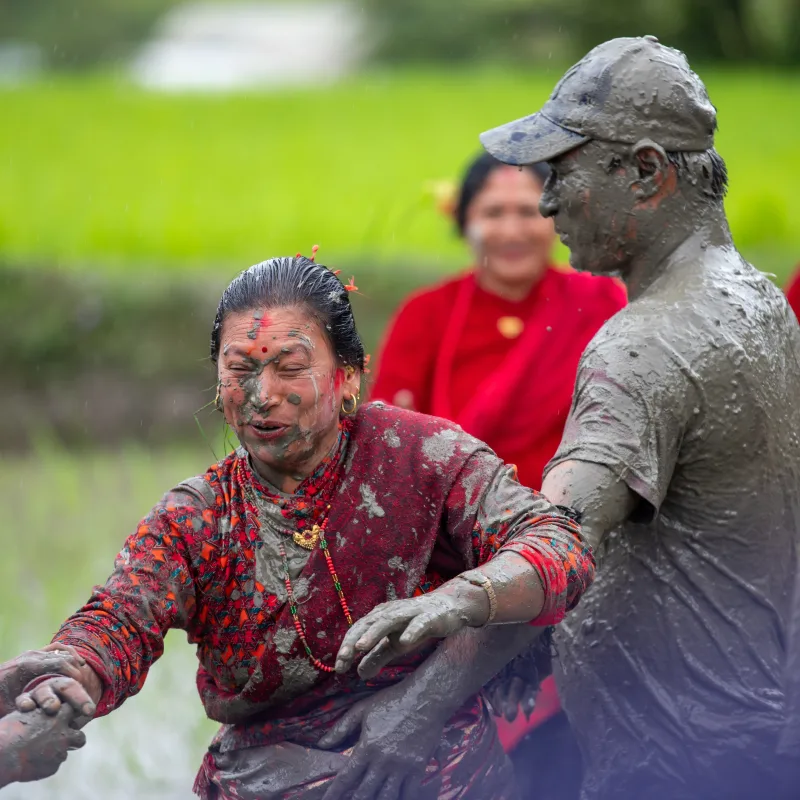
Celebrating National Paddy Day: Nepal's Rice Planting Festival
Yearly on Asar 15, Nepal celebrates National Paddy Day, marking the beginning of one of the country's most cherished agricultural traditions. A festival that represents the heart of Nepal's agricultural heritage and the arrival of the monsoon season that brings life to the nation's rice fields.

What is National Paddy Day?
Known by several names including Dhan Diwas, Ropain Diwas, and Ashadh Pandra, this festival celebrates the commencement of rice planting season across Nepal. The celebration naturally falls on the 15th day of Asar, which corresponds to June 29th in the Gregorian calendar, perfectly timed with the onset of monsoon rains that are essential for agriculture yields throughout the year.
The History and Significance
While farmers have celebrated this day for generations, honoring the timeless connection between people and the land, the Nepali government officially recognized it as National Paddy Day in 2004. This recognition honored the efforts of the country's agricultural community who were the primary backbone of Nepal's economy for many years up until recently. This celebration is also a form of wisdom that needs to be passed down through generations to ensure that farmers' work is aligned with nature's rhythms.
The Tradition of Dahi Chiura
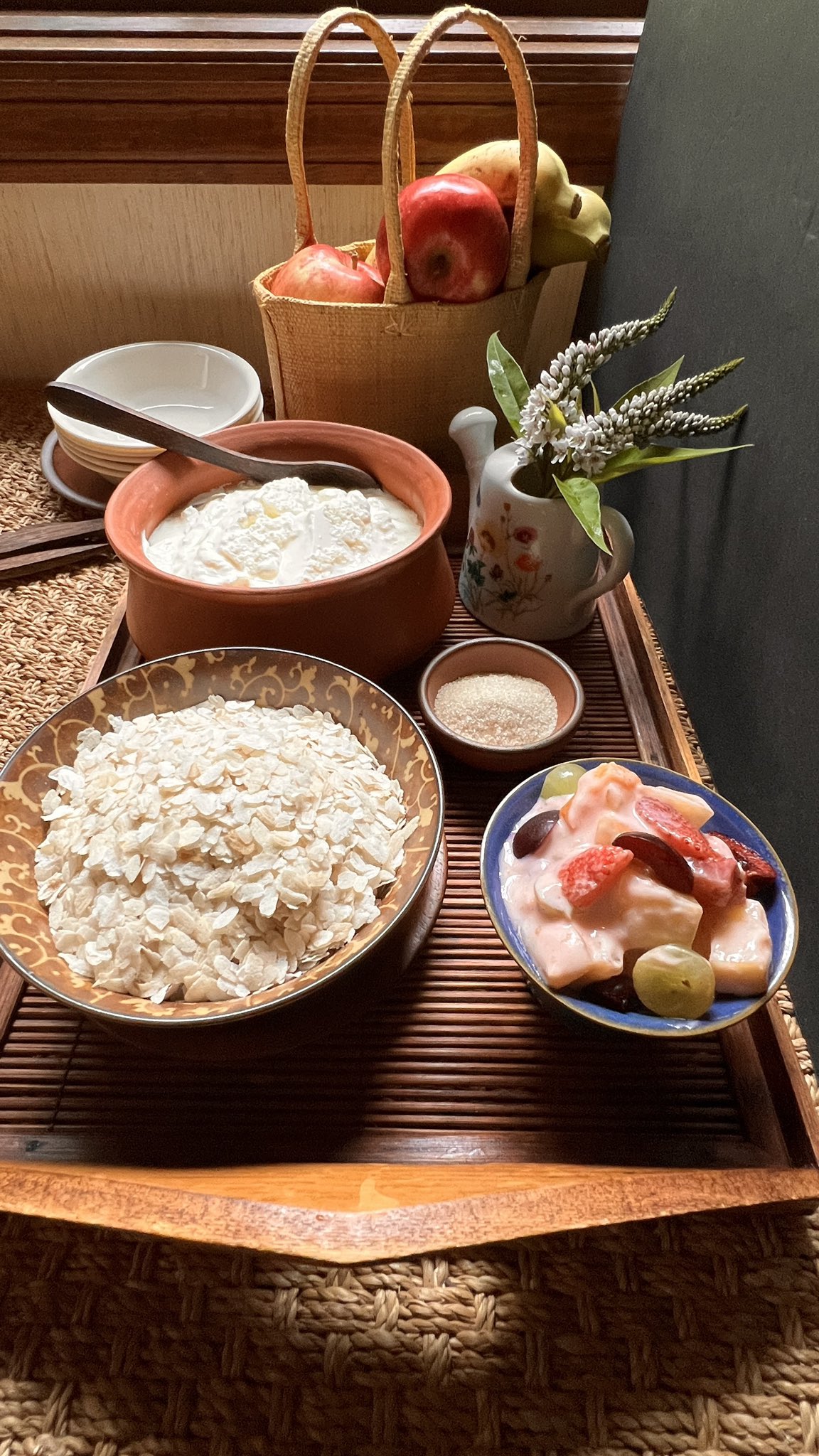
People from all around Nepal and Nepalese living abroad look forward to this day as the day to eat Dahi Chiura, a simple yet deeply symbolic meal of fresh curd mixed with beaten rice. This combination, often accompanied by seasonal fruits like mangoes and bananas, serves multiple purposes in the celebration. The light, nutritious meal provides sustained energy for farmers working long hours in muddy fields, while the cooling properties of curd help beat the summer heat during intensive fieldwork. Dahi Chiura helps bring communities together, as families and neighbors share this meal together, strengthening village ties and fostering unity during the planting season.
How Locals Celebrate
The celebration transforms hard agricultural work into a joyous community festival that engages all the senses. Farmers gather in rice paddies, singing traditional folk songs called "Asare Geet" while transplanting young rice shoots, with the air filling with laughter and music as participants playfully splash mud on each other. Women often take the lead in rice planting while men prepare the fields, creating a beautiful dance of agricultural cooperation that has been refined over centuries. Villages organize cultural programs, where locals come wearing traditional attire and local customs, bringing together people from all walks of life.
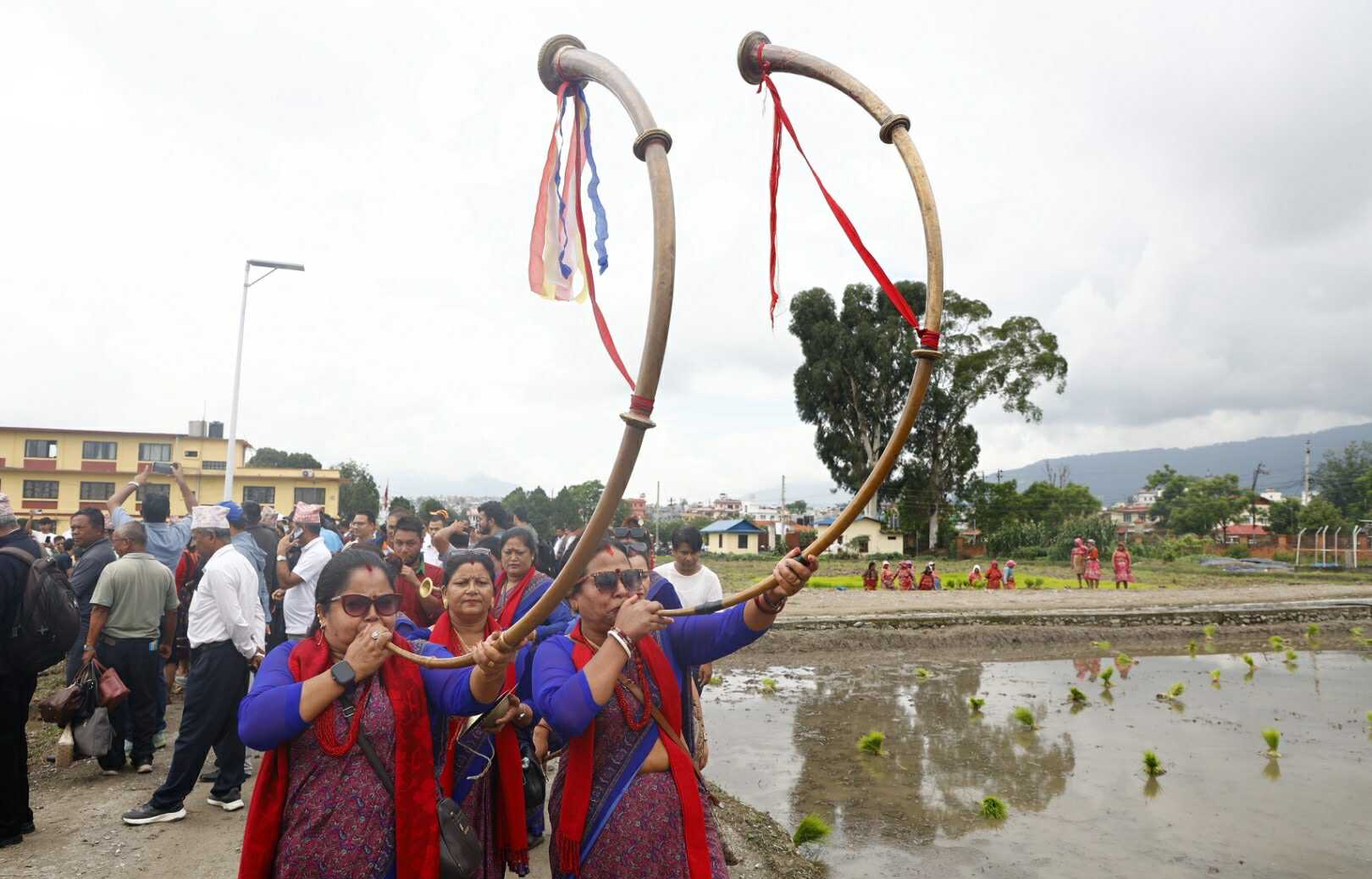
Where to Experience National Paddy Day in Kathmandu Valley
For tourists and locals in Kathmandu who want hands-on experience with paddy planting, several accessible locations within the valley offer authentic participation opportunities. The Newari town of Bungamati is one of the places I personally recommend that will provide you a chance to participate alongside local farming families in traditional rice planting ceremonies, while Khokana, a UNESCO World Heritage site candidate, welcomes tourists to join their community planting activities. The town of Kirtipur on the valley's outskirts maintains active rice terraces where visitors can experience traditional farming methods with views of the city of Kathmandu.
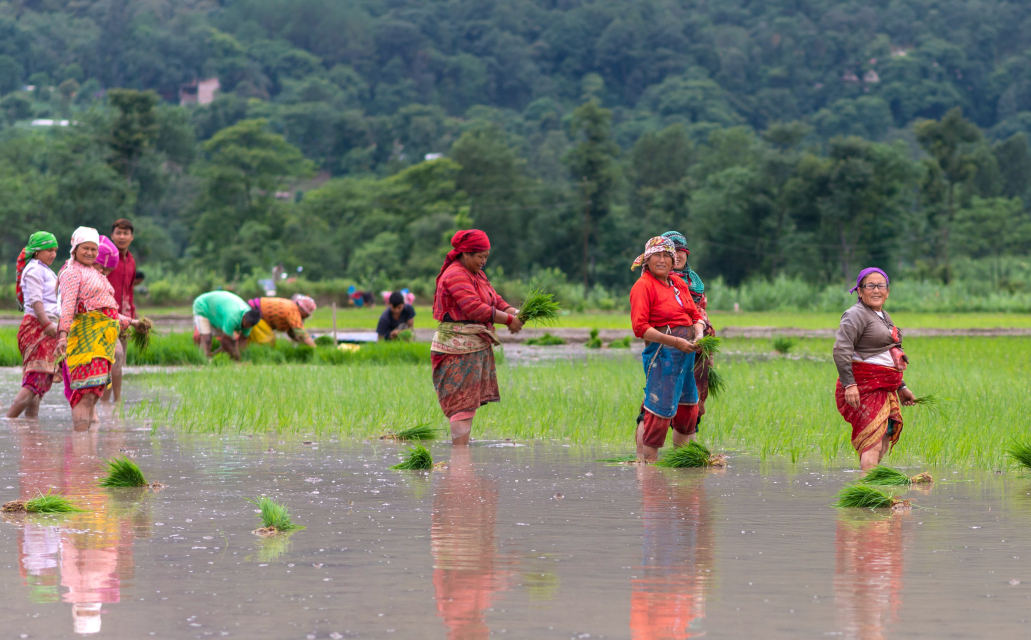
Tokha municipality north of Kathmandu has preserved agricultural traditions and welcomes tourist participation in paddy planting festivities, offering a more accessible option for those staying in the capital. Lele Village in Lalitpur provides a more secluded planting experience. Research confirms that anyone willing to experience this joyful festival of mud and paddy farming can participate in these locations, as several tourists regularly take part in the festivities and capture photographs and videos of the events.
Beyond the Valley: Nationwide Celebration
While the Kathmandu Valley offers convenient access for tourists and urban dwellers, the most vibrant celebrations occur throughout Nepal's rice-growing regions across the country. The fertile lowlands of Terai in the provinces like Madhesh, Koshi, Lumbini, and parts of Bagmati and Gandaki offer spectacular scenes of coordinated rice planting across vast green fields that stretch to the horizon. Traditional villages in Terai region provide authentic experiences which are a fusion of Indian and Nepali culture where visitors can experience centuries-old farming practices that have remained largely unchanged which shows Nepal's deep agricultural heritage and the expertise of its farming communities.
National Paddy Day embodies Nepal's agricultural soul. It represents the intense connection between people and the land that defines much of the nation's identity. Asar 15 celebrates not just the planting of rice, but the values of community cooperation, respect for nature, and the preservation of traditional knowledge that has sustained communities for generations. As Nepal continues to modernize and urbanize, this festival serves as a beautiful reminder of the country's heritage and the importance of food security, while bringing together people from all backgrounds in a shared celebration of life and sustenance.
