
Chasing the Sky: Inside the World’s Highest Marathon in the Everest Region
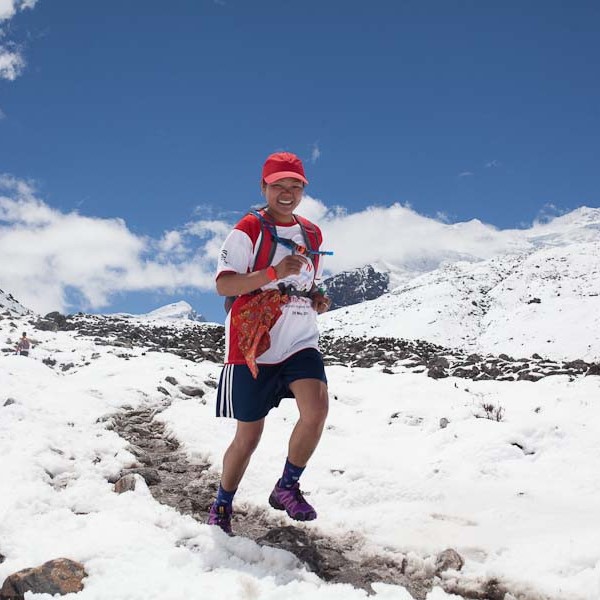
Running a marathon is a triumph. where oxygen is scarce and the winds bite, is something else entirely. Welcome to the Everest Marathon, an extraordinary test of endurance, altitude, and awe, held annually in the heart of Nepal’s Khumbu region.
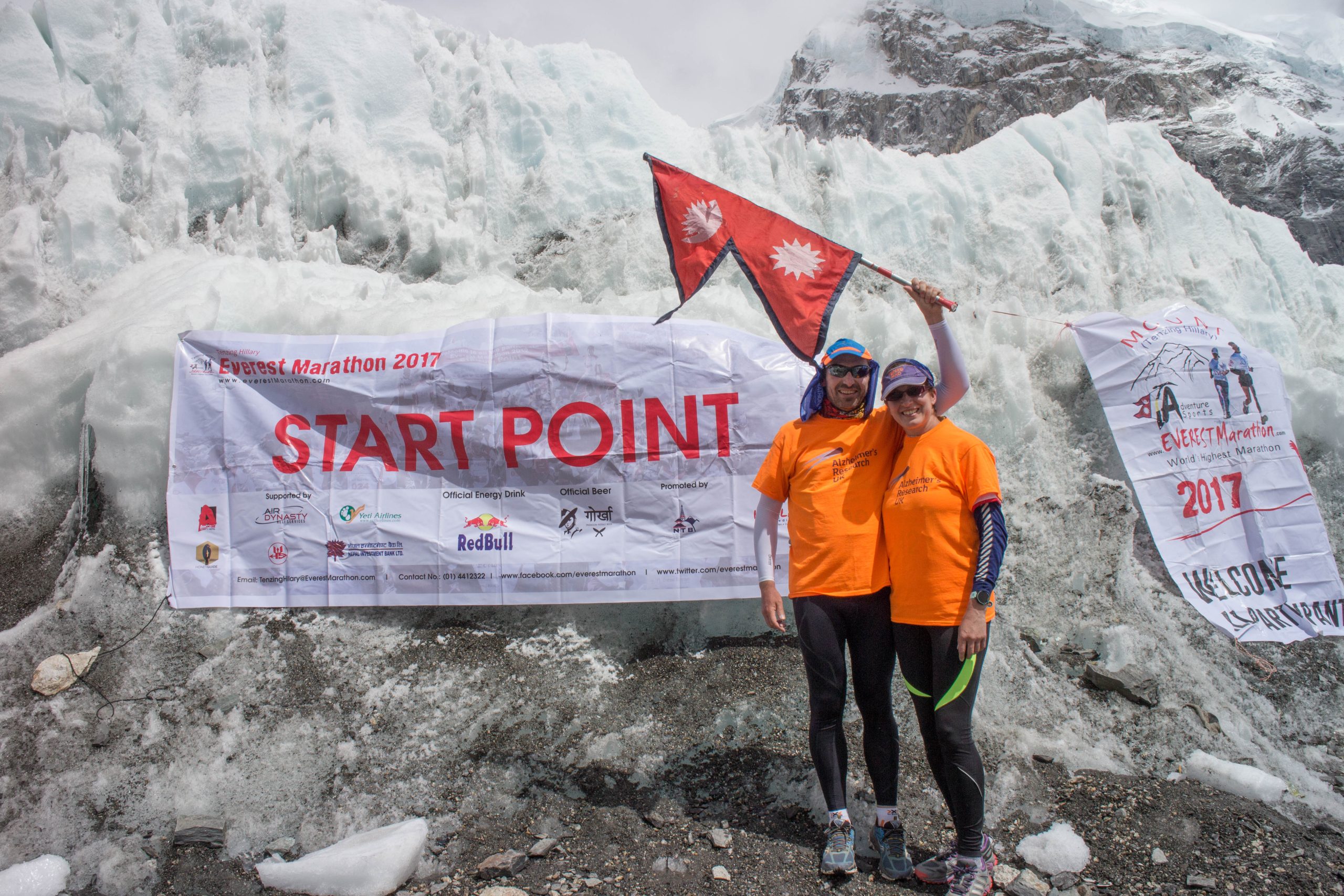
More than just a race, this is a high-altitude expedition that begins where others end: at Everest Base Camp, the gateway to the world’s tallest peak.
The Preparation: Not Your Average Race Plan
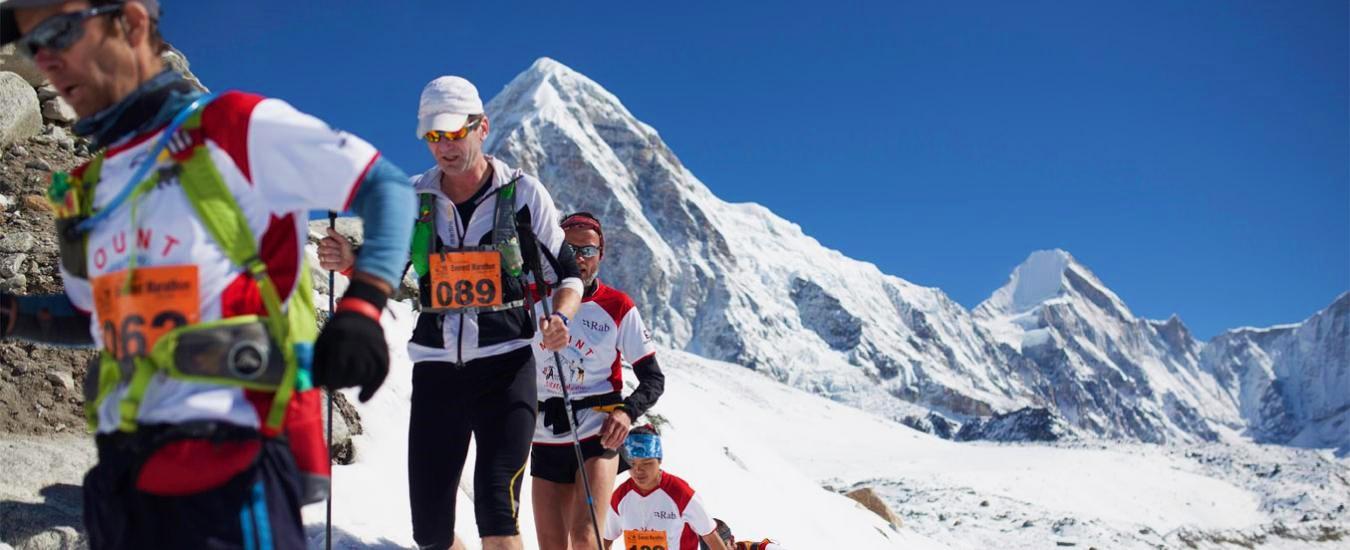
To even qualify for the Everest Marathon, you must trek all the way to base camp, giving your body time to acclimatize. Most participants spend 2–3 weeks hiking through Lukla, Namche Bazaar, Tengboche, and Gorakshep on an unforgettable journey of steep ascents, stone-paved trails, and breathtaking scenery.
Unlike sea-level marathons, this event demands:
- Altitude training weeks (or months) in advance
- Cardiovascular conditioning and mental resilience
- A deep understanding of your body’s response to low oxygen
By the time runners arrive at Everest Base Camp, their lungs have adapted but just barely.
Gear for the Roof of the World
Forget minimalist running kits. Everest Marathon runners need to pack smart for unpredictable mountain weather and technical terrain. Essentials include:
- Trail running shoes with excellent grip
- Thermal layers and lightweight windproof jackets
- Running tights or trekking pants (depending on snow conditions)
- A hydration system that won’t freeze at sub-zero temps
- Altitude meds, snacks, and mandatory safety gear
Tech gear like GPS watches, trekking poles, and headlamps are optional but recommended. And yes your bib number often comes with a Sherpa blessing.
The Route: From Glaciers to Green Hills
The race begins at Everest Base Camp (5,364m) and descends toward Namche Bazaar (3,440m), covering roughly 42.2 km. But don’t let the elevation drop fool you; this is not a downhill sprint.
- The route includes rocky glacial moraine, suspension bridges, narrow yak trails, and sharp uphill climbs
- Temperatures can swing from -10°C to 20°C in a single day
- Runners must navigate thin air, loose rocks, and extreme UV exposure
Every step demands focus. Every breath is precious.
High-Altitude Hazards and Heroism
Running above 3,000m comes with serious risks: acute mountain sickness, dehydration, and hypothermia. Race medics and guides are stationed along the course, but self-awareness is key.Yet, despite the dangers, what brings runners back every year is not the thrill of speed, it's the raw intimacy with the Himalayas, the community spirit, and the deep sense of purpose.Some run to raise awareness for climate change, others for charity, and many simply to challenge the limits of what the human body can endure.
Why the Everest Marathon is More Than Just a Race
Unlike big-city marathons lined with cheering crowds, the Everest Marathon offers serene trails, snow-capped silence, and centuries-old monasteries in the distance.
It’s as much a spiritual journey as a physical one.
Final Word: Who Should Try It?
The Everest Marathon isn’t for beginners but it isn’t just for elite athletes either. If you’re a passionate runner with solid trekking experience, strong endurance, and a respectful attitude toward the mountains, this race could be your next great adventure.
Just be prepared to train, suffer, smile and run on the roof of the world.
Want to prepare for the Everest Marathon 2026?
Mountain Tiger Nepal offers customized acclimatization treks and logistical support for national and international runners. Contact us to make your high-altitude dream a reality.
