
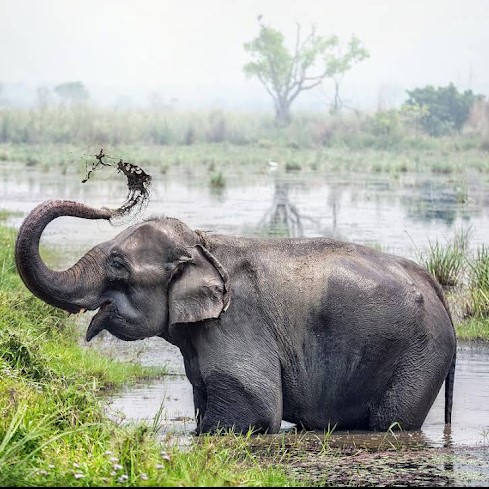
Chitwan National Park: Nepal’s Wildlife Wonderland & UNESCO Heritage Treasure
Located in the heart of Nepal’s Terai plains, Chitwan National Park (CNP) is a sanctuary of natural beauty and biodiversity. Established in 1973 and designated a UNESCO World Heritage Site in 1984, it spans over 952.63 km² across the districts of Chitwan, Nawalpur, Makwanpur, and Parsa. It’s Nepal’s first national park and one of Asia’s finest wildlife viewing destinations.
Whether you’re a wildlife enthusiast, nature photographer, birder, or eco-tourist, Chitwan offers a once-in-a-lifetime encounter with Bengal tigers, one-horned rhinoceroses, Asian elephants, gharials, and over 540 species of birds.
History: From Royal Hunting Grounds to Protected Paradise
In the late 19th and early 20th centuries, Chitwan’s lush forests served as a royal hunting ground where hundreds of animals were slain by Nepal’s aristocracy. However, after decades of deforestation and poaching, the rhinoceros population dwindled to just 95 individuals by the 1960s. In response, the government established Chitwan National Park in 1973, pioneering conservation in Nepal.
Although its founding brought challenges especially for the indigenous Tharu community, who were displaced from ancestral lands the park is now a globally respected conservation model.
Geography & Location
Chitwan National Park lies at the foot of the Sivalik Hills in Nepal’s central-southern Terai. The park ranges from 100 meters to 815 meters in elevation and is bordered by the Narayani and Rapti Rivers. It connects with Parsa National Park in the east and Valmiki Tiger Reserve in India to the south, forming the Chitwan-Parsa-Valmiki Tiger Conservation Unit a vital transboundary biodiversity corridor.]
Climate: When to Visit
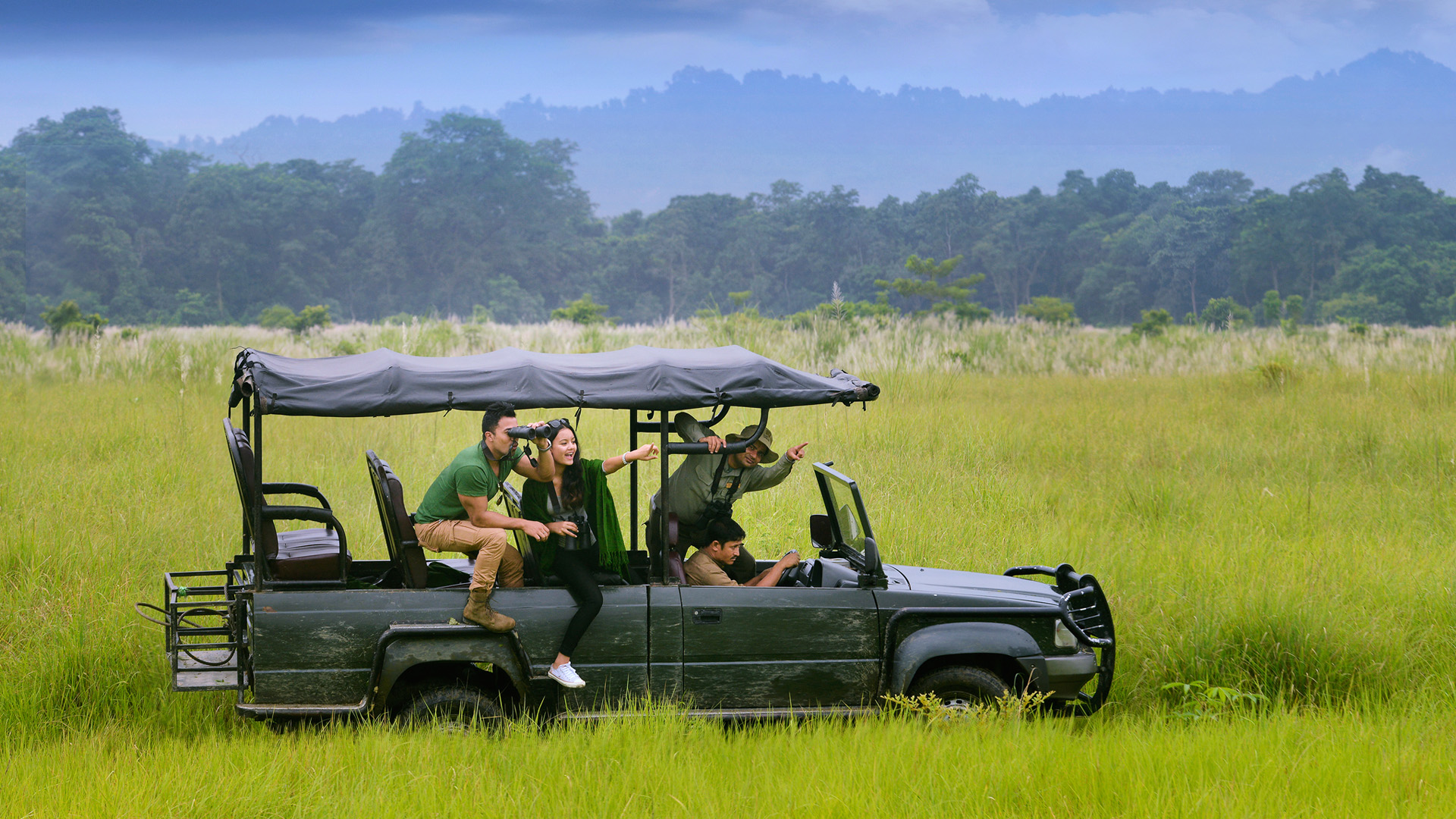
Chitwan has a humid subtropical monsoon climate, with most rainfall between June and September. The best time to visit is from October to March, when the weather is dry and pleasant, perfect for jungle safaris, canoe rides, and nature walks.
- Summer (Apr–Jun): Hot & humid (up to 36°C)
- Monsoon (Jul–Sep): Heavy rains, lush greenery
- Winter (Oct–Mar): Mild, dry, ideal for tourism
Vegetation: Sal Forests to Towering Elephant Grass
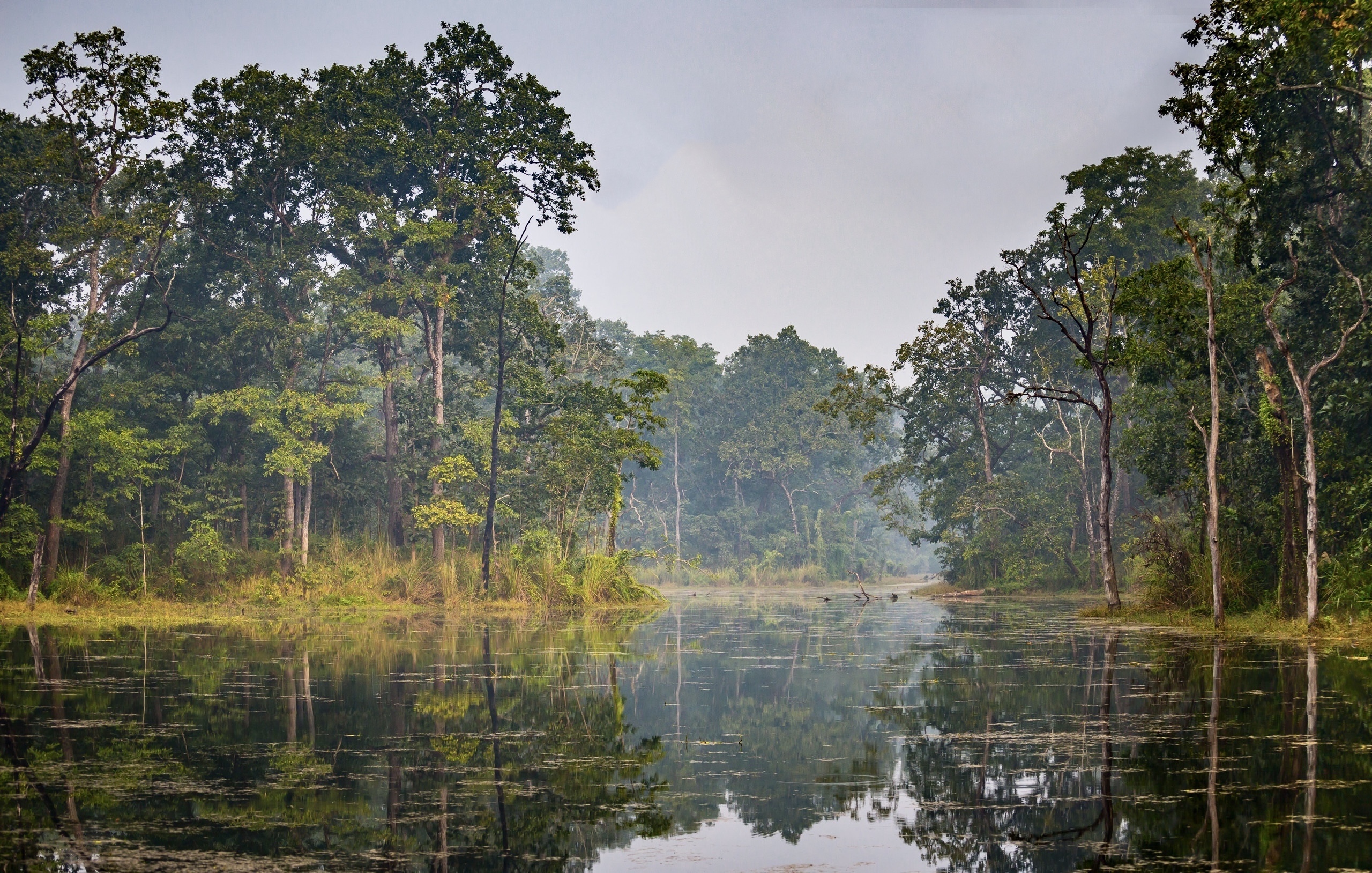
Chitwan’s ecosystems are a blend of sal (Shorea robusta) forests, riverine woodlands, and Terai-Duar savannas. Over 70% of the park is covered by sal trees, while tall grasses including the impressive elephant grass that grows over 8 meters tall cover 20% of the area. These landscapes support a complex web of flora and fauna, shifting with the seasons due to natural fires, floods, and erosion.
History: From Royal Hunting Grounds to Protected Paradise
In the late 19th and early 20th centuries, Chitwan’s lush forests served as a royal hunting ground where hundreds of animals were slain by Nepal’s aristocracy. However, after decades of deforestation and poaching, the rhinoceros population dwindled to just 95 individuals by the 1960s. In response, the government established Chitwan National Park in 1973, pioneering conservation in Nepal.
Although its founding brought challenges especially for the indigenous Tharu community, who were displaced from ancestral lands the park is now a globally respected conservation model.
Geography & Location
Chitwan National Park lies at the foot of the Sivalik Hills in Nepal’s central-southern Terai. The park ranges from 100 meters to 815 meters in elevation and is bordered by the Narayani and Rapti Rivers. It connects with Parsa National Park in the east and Valmiki Tiger Reserve in India to the south, forming the Chitwan-Parsa-Valmiki Tiger Conservation Unit a vital transboundary biodiversity corridor.]
Climate: When to Visit
Chitwan has a humid subtropical monsoon climate, with most rainfall between June and September. The best time to visit is from October to March, when the weather is dry and pleasant, perfect for jungle safaris, canoe rides, and nature walks.
- Summer (Apr–Jun): Hot & humid (up to 36°C)
- Monsoon (Jul–Sep): Heavy rains, lush greener
- Winter (Oct–Mar): Mild, dry, ideal for tourism
Vegetation: Sal Forests to Towering Elephant Grass
Chitwan’s ecosystems are a blend of sal (Shorea robusta) forests, riverine woodlands, and Terai-Duar savannas. Over 70% of the park is covered by sal trees, while tall grasses including the impressive elephant grass that grows over 8 meters tall cover 20% of the area. These landscapes support a complex web of flora and fauna, shifting with the seasons due to natural fires, floods, and erosion.
Chitwan offers a wide range of accommodations:
- Luxury Resorts – Barahi Jungle Lodge, Meghauli Serai
- Mid-Range Hotels – Green Park Chitwan, Hotel Seven Star
- Budget Lodges – Community homestays and eco-cottages in Sauraha
How to Reach Chitwan National Park
- By Air: 20-minute flight from Kathmandu to Bharatpur Airport, then a 30-minute drive to Sauraha.
- By Road:5–6 hour scenic drive from Kathmandu or Pokhara via the East-West Highway.
- By Tourist Bus: Regular departures from Kathmandu and Pokhara to Sauraha.
Conservation, Culture & Challenges
Despite its success, Chitwan faces ongoing challenges human-wildlife conflict, illegal poaching, and climate threats. Conservation efforts now involve community participation, buffer zones, and awareness programs to ensure long-term sustainability.

Final Thoughts
Chitwan National Park is not just a wildlife destination it is a living classroom of conservation, a sanctuary of serenity, and a legacy of ecological resilience. Whether you're tracking tigers through the misty sal forests or watching sunrise over a river teeming with birds, Chitwan is Nepal’s ultimate jungle adventure.
