
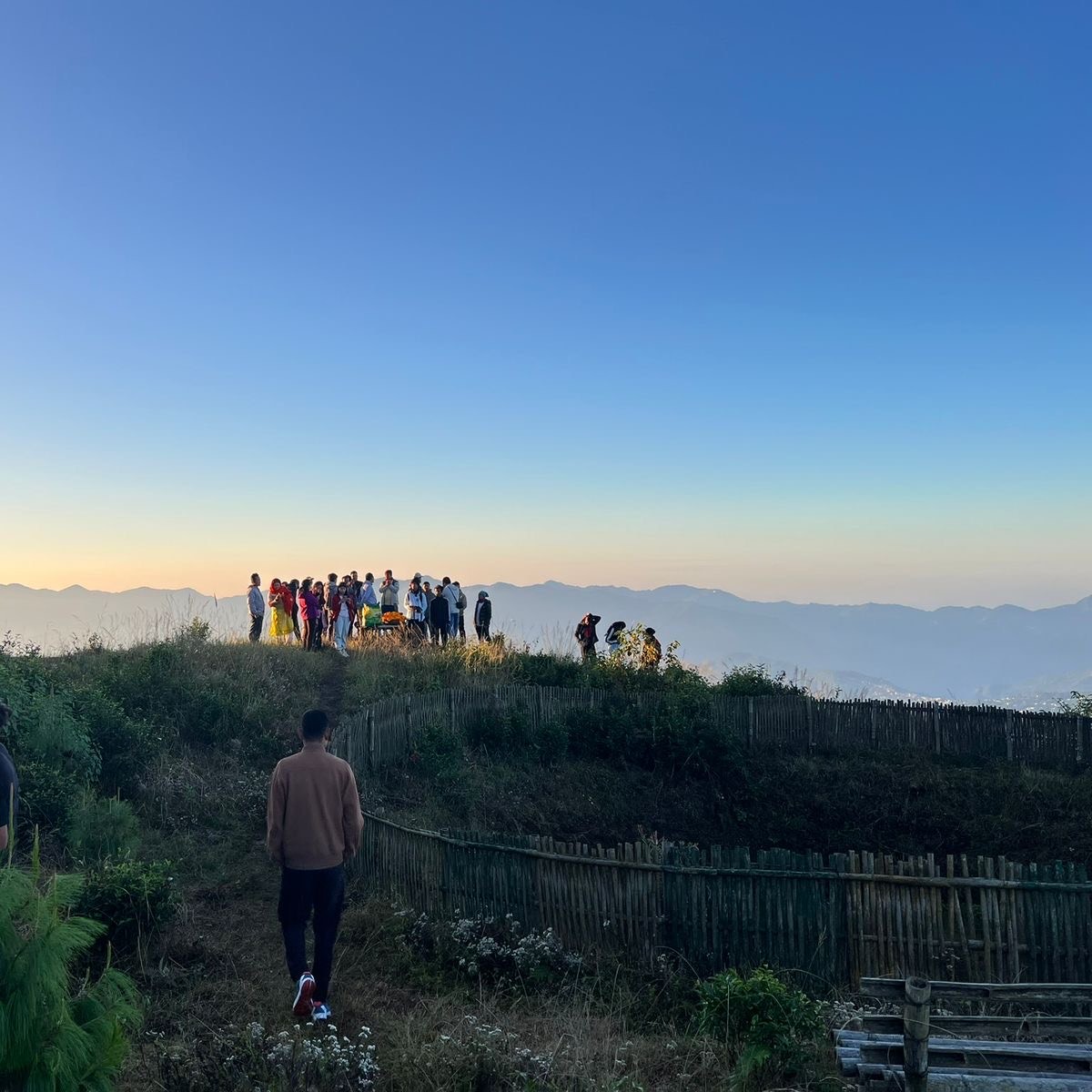
Dale Pokhari, Dhankuta: A Community-Led Water Recharge Gem on the Way to Dhoje Dada
Nestled in the scenic mid-hills of Dhankuta, Dale Pokhari is more than a tranquil pond—it is a living example of community-led water management and rainwater harvesting. Located along the route to Dhoje Dada, this pond has become an educational and inspiring stop for travelers and trekking enthusiasts interested in sustainable Himalayan practices.
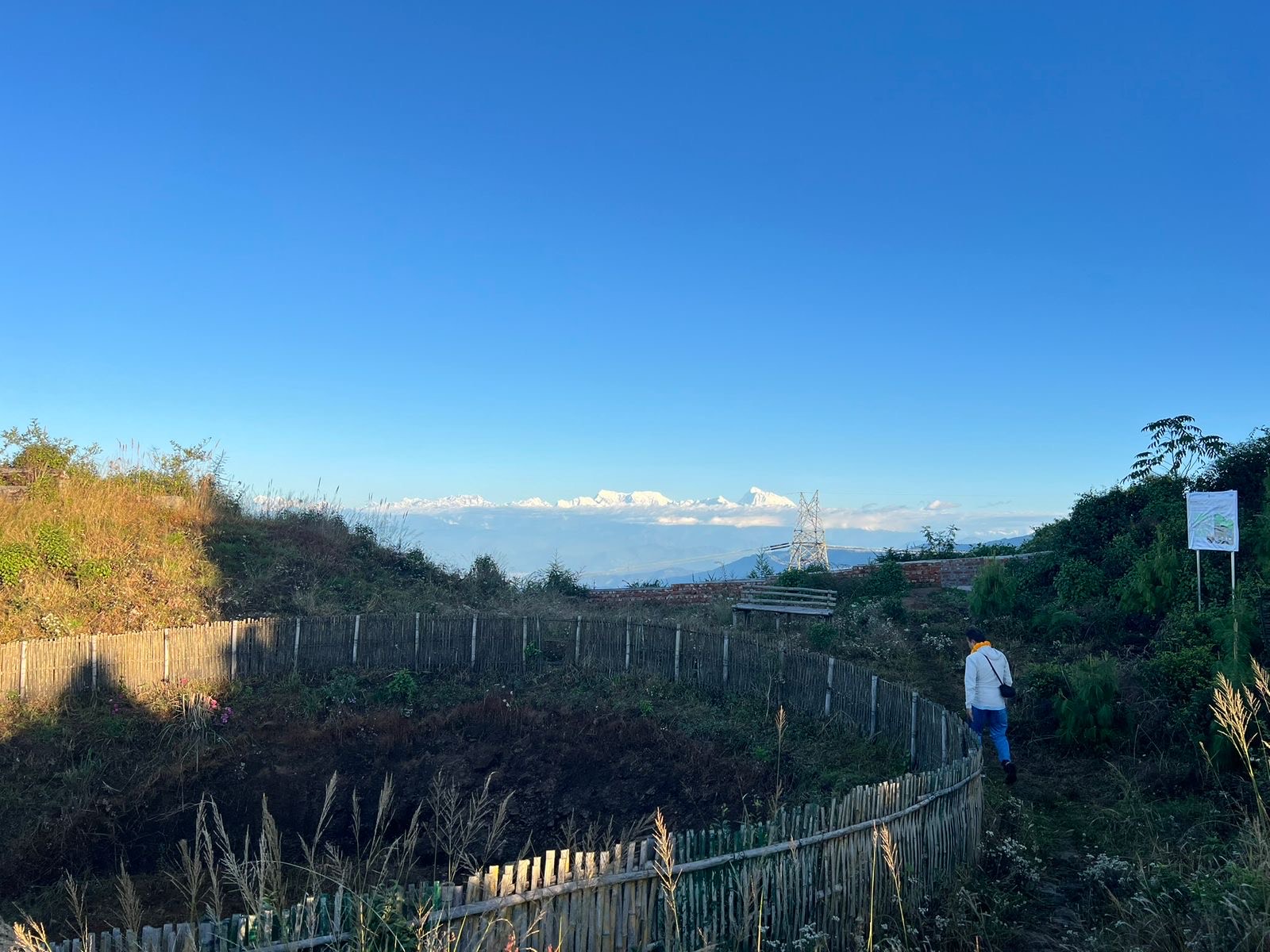
A Rainwater Recharge Point
Dale Pokhari functions as an important water recharging system. By collecting monsoon rainfall, the pond gradually recharges the surrounding groundwater, supporting local agriculture, livestock, and household water needs. Unlike natural lakes fed by rivers or springs, this pond’s significance lies in its ability to store and sustain water in a region with fluctuating rainfall.
Community Knowledge and Conservation
Local communities, homestay operators, and members of community learning networks have shared valuable knowledge about Dale Pokhari. Much of this insight comes from interactions with ICIMOD-supported programs, local experts, and homestay networks who study and maintain the pond. Visitors learn about:
- How rainwater is collected and retained
- The pond’s role in recharging nearby springs
- Seasonal variations and its impact on local water security
- Traditional practices combined with modern water-harvesting ideas
This knowledge transfer not only benefits local residents but also educates visitors about practical solutions for climate resilience in mid-hill Nepal.
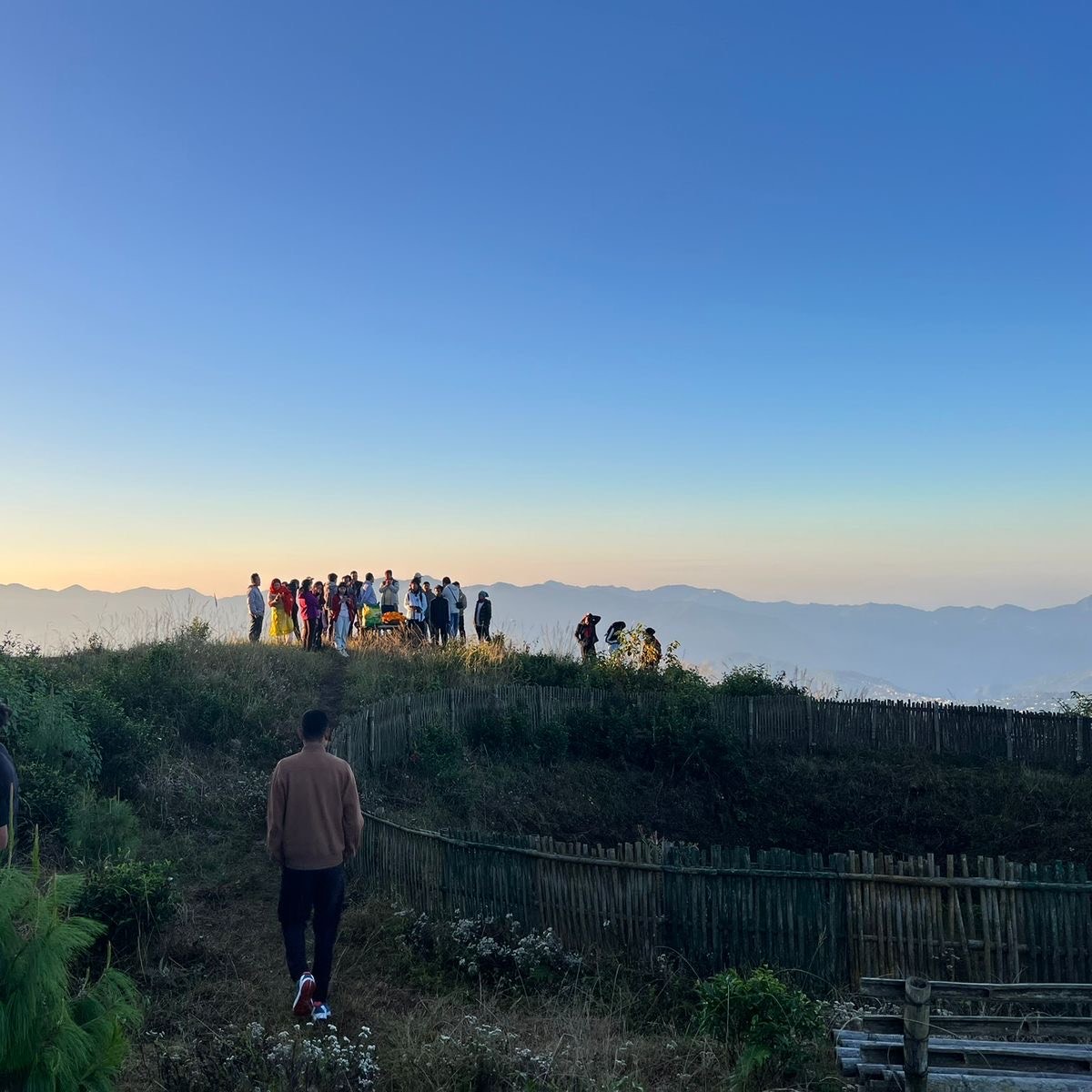
A Scenic Stop on the Way to Dhoje Dada
Travelers trekking toward Dhoje Dada encounter Dale Pokhari as a refreshing stop. The area around the pond offers:
- Peaceful trails and shaded resting spots
- Observation of local biodiversity
- Opportunities to interact with villagers and homestay hosts
- Insights into traditional water conservation techniques
The pond is not just a natural landmark—it’s a place where community learning meets ecological stewardship.
Why Dale Pokhari Is Worth Visiting
Dale Pokhari is ideal for:
- Responsible travelers interested in sustainable tourism
- Students, researchers, and environmental enthusiasts
- Trekking groups seeking cultural and ecological learning
- Anyone wanting to experience local mid-hill Nepalese culture and water conservation practices
By visiting the pond, travelers gain a deeper appreciation for how small water bodies can significantly impact community resilience and environmental sustainability.
Final Thoughts
Though modest in size, Dale Pokhari represents:
- Community knowledge sharing
- Sustainable water management
- Climate resilience in action
- Responsible and educational tourism
For those traveling through Dhankuta or trekking toward Dhoje Dada, Dale Pokhari offers both a scenic pause and a meaningful lesson in conservation.
