

Devotion on Foot: How Pilgrimage Walks Double as Cultural Walkathons in Nepal
Devotion on Foot: How Pilgrimage Walks Double as Cultural Walkathons in Nepal
Nepal’s spiritual landscape is deeply intertwined with its physical terrain. Ancient pilgrimage routes wind through valleys, hills, and high mountain passes, inviting devotees on journeys that are as much about inner transformation as physical endurance. Pilgrimage walks to revered sites such as Pashupatinath in Kathmandu, Muktinath in Mustang, and Gosainkunda Lake in Langtang offer a unique blend of religious devotion, cultural immersion, and fitness challenge making them living examples of cultural walkathons.
In this blog, we explore these iconic pilgrimages, analyze the synergy between spirituality and fitness, and share heartfelt perspectives from local participants who keep these traditions alive
Pilgrimage Routes That Inspire: Pashupatinath, Muktinath, and Gosainkunda
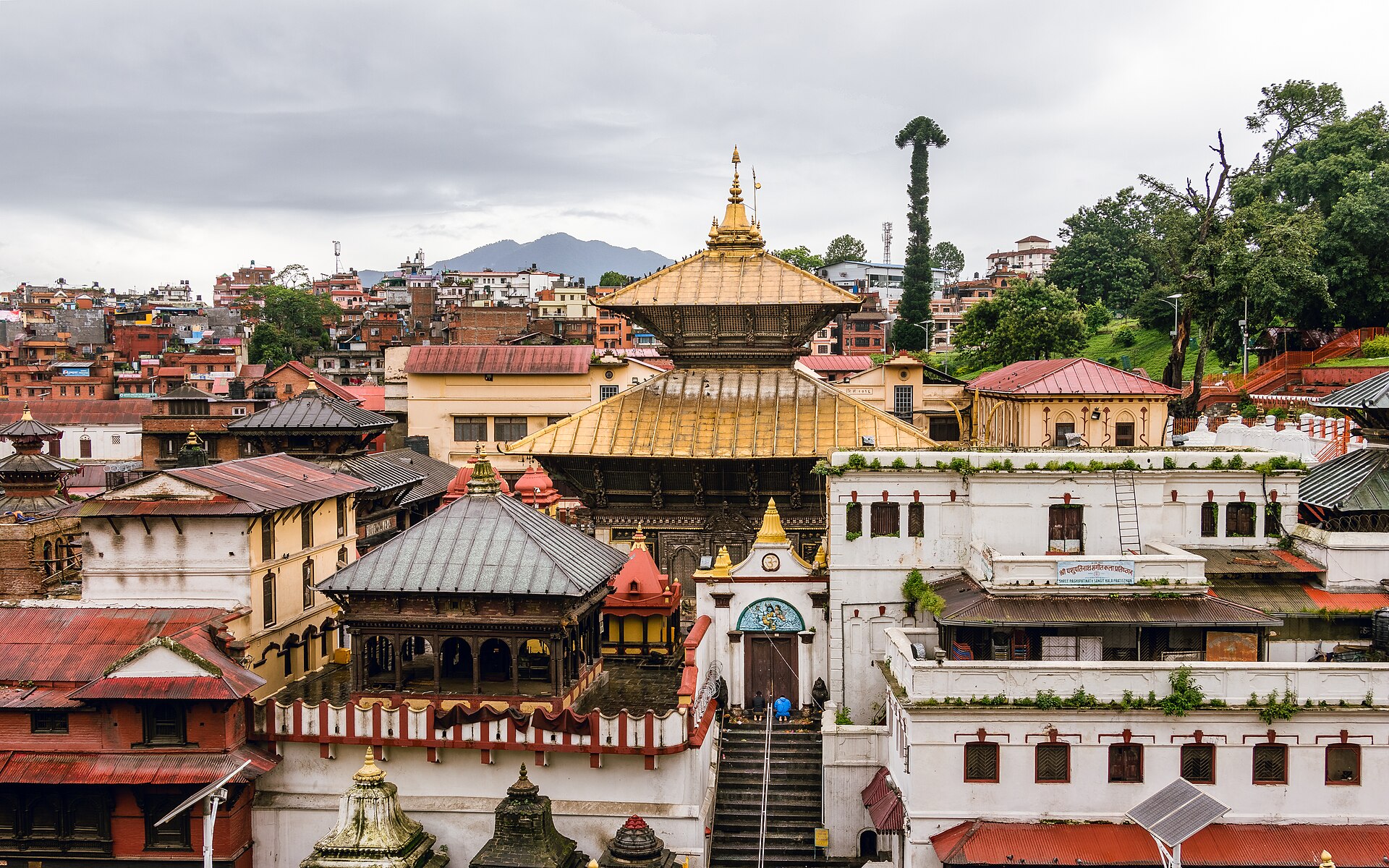
Pashupatinath Temple – The Heart of Kathmandu’s Spiritual Life
Pashupatinath, a UNESCO World Heritage Site, stands as Nepal’s most sacred Hindu temple, dedicated to Lord Shiva. Pilgrims flock here year-round, with numbers swelling during Maha Shivaratri, when tens of thousands undertake processions on foot from various parts of Kathmandu and beyond.
The pilgrimage route to Pashupatinath is not a singular trail but a network of paths crossing neighborhoods and riverbanks, historically traveled by traders, monks, and worshippers. Walking these routes fosters a sense of community, as devotees share stories, rituals, and offerings en route.
The physicality of the pilgrimage involves walking several kilometers-often barefoot while carrying puja items or offerings, making it both a devotional act and a physical discipline.
Muktinath Temple – The Confluence of Faiths and Fitness
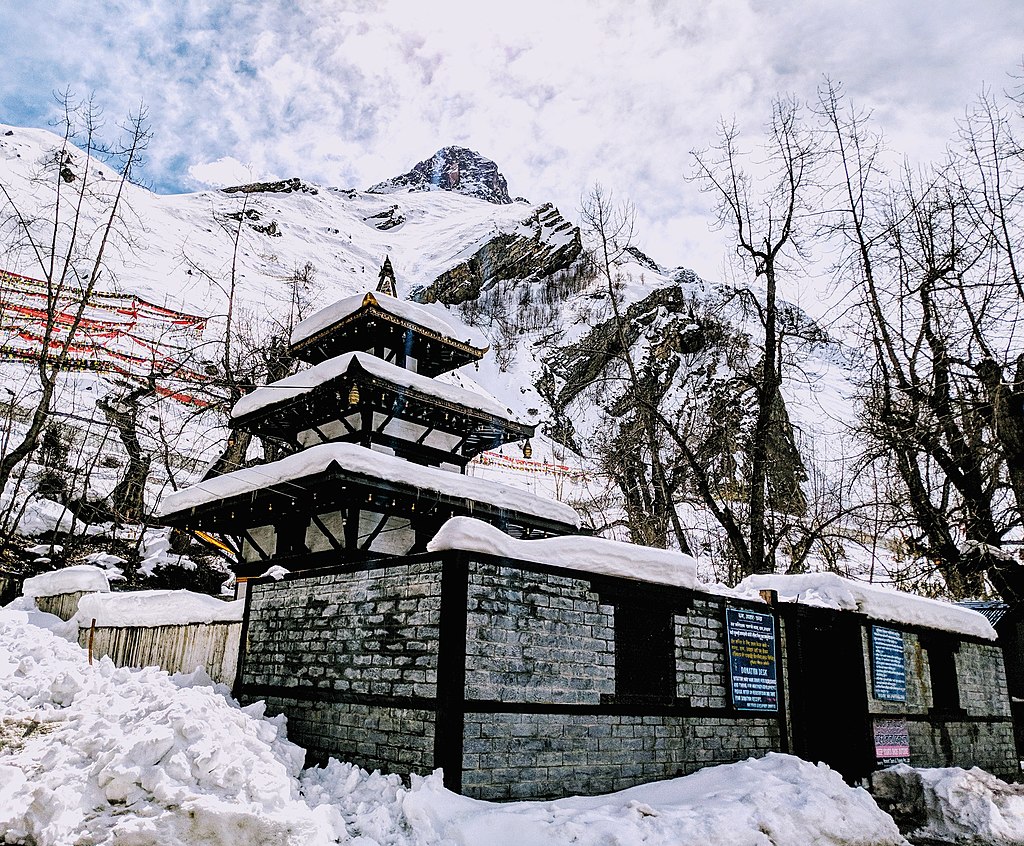
Perched at 3,710 meters altitude in the Mustang region, Muktinath is a revered pilgrimage destination for both Hindus and Buddhists. The temple complex, famous for its 108 water spouts and eternal flame, symbolizes liberation and spiritual cleansing.
Pilgrims walk long, challenging trails from Jomsom or Kagbeni, passing through high-altitude terrain with rugged landscapes and breathtaking views. The trek itself requires stamina and acclimatization, turning the spiritual journey into a demanding physical endeavor.
The pilgrimage’s dual religious significance adds to its cultural richness—Hindus perform ritual baths in the temple’s cold water fountains, while Buddhists circumambulate sacred sites and offer prayers.
Gosainkunda Lake – Sacred Alpine Waters at High Altitude
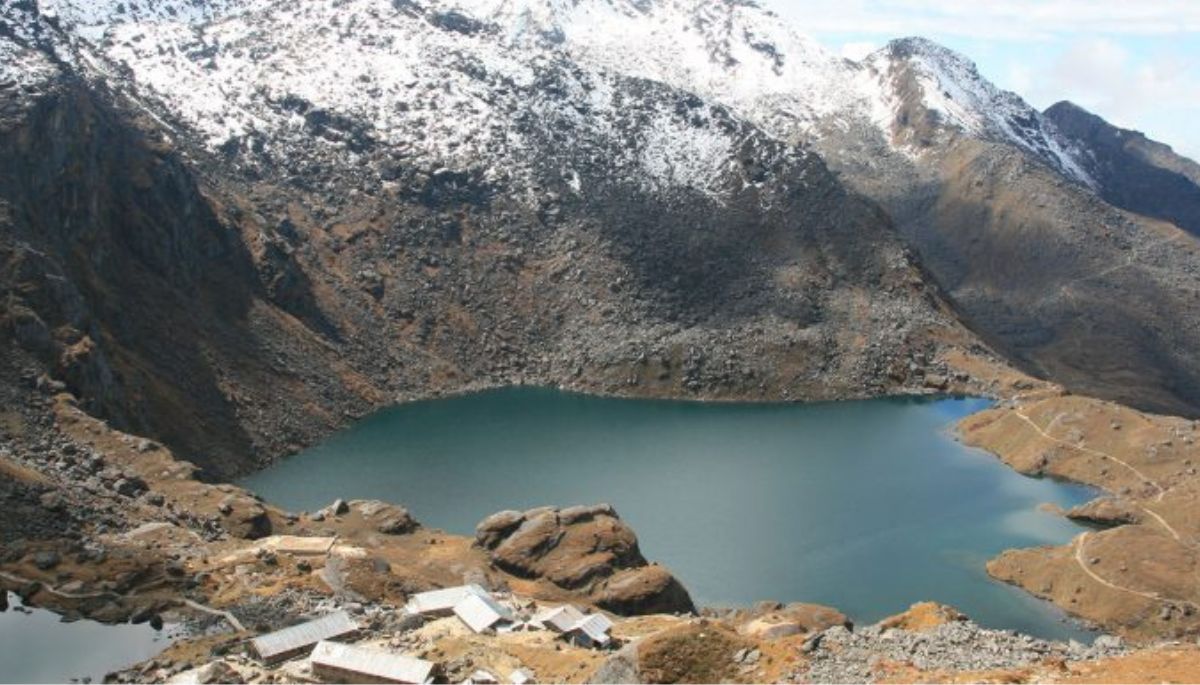
Gosainkunda Lake, situated at 4,380 meters in the Langtang National Park, is another pivotal pilgrimage site for both Hindus and Buddhists. The lake is considered the abode of Lord Shiva and is especially significant during the Janai Purnima festival, when thousands of devotees undertake the trek to take a holy dip.
The route to Gosainkunda involves trekking through alpine meadows, rhododendron forests, and rocky passes. The high altitude and steep ascents demand physical resilience, patience, and respect for nature.
The pilgrimage encapsulates a full cultural experience-walkers engage in singing, prayer, and community bonding amid the challenges of the terrain.
The Dual Power of Pilgrimage Walks: Spirituality Meets Fitness
Pilgrimage walks in Nepal uniquely embody a fusion of spiritual purpose and physical endurance:
- Spiritual Devotion: The journey itself is an act of penance, prayer, and reverence. Pilgrims often observe fasting, recite mantras, and participate in rituals that enhance the spiritual significance of their walk.
- Physical Wellness: Covering long distances on foot, often in challenging conditions, naturally improves cardiovascular health, strength, and mental resilience. The high-altitude routes demand gradual acclimatization, encouraging participants to listen to their bodies and push limits safely.
- Cultural Transmission: These pilgrimages serve as living classrooms, where cultural values, oral histories, and communal traditions are passed down, fostering intergenerational bonds.
The increasing interest among younger Nepalis and international travelers reflects a modern understanding of wellness that combines body, mind, and spirit—a natural “walkathon” of holistic health.
Conclusion
Pilgrimage walks in Nepal beautifully intertwine faith, culture, and fitness, turning sacred journeys into vibrant cultural walkathons. These routes preserve ancient traditions while promoting physical well-being and community connection.
Mountain Tiger Nepal is inspired to support and organize events that honor these timeless paths inviting everyone to experience the transformative power of devotion on foot

