
Dharapani to Nar Phu Valley Trek Into the Hidden Kingdom of the Himalayas
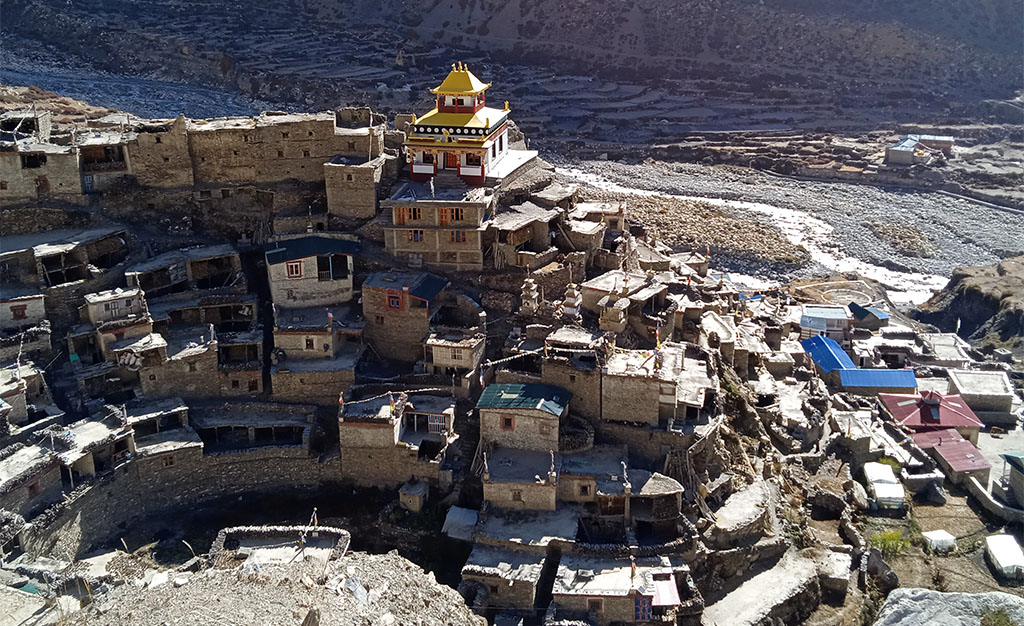
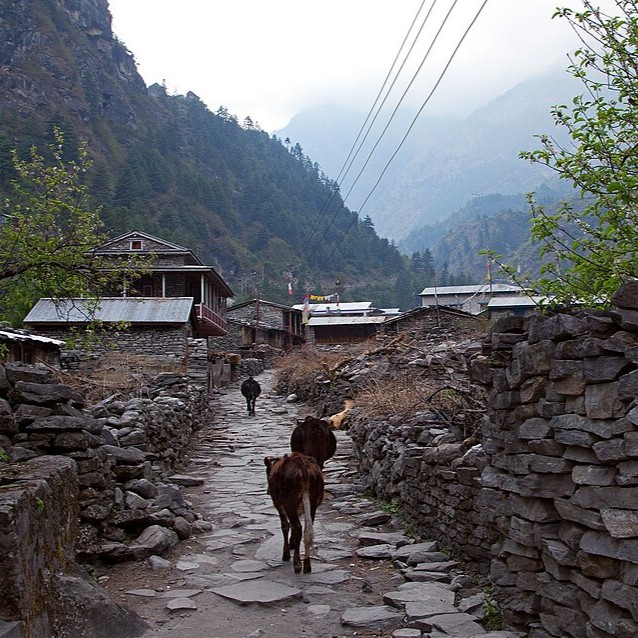
Tucked away in the remote northern folds of Manang district,Nar Phu village is among Nepal’s last remaining pockets of untouched Tibetan culture. This trek is an unforgettable journey into a mystical Himalayan land where ancient stone villages, colorful prayer flags, dramatic gorges, and sacred monasteries define a trail that is as spiritual as it is scenic.
How Many Days Are Required?
The Dharapani to Nar Phu Valley Trek typically takes 8–10 trekking days, excluding travel to the trailhead and return. With exploration days in Phu and Nar villages and acclimatization, a 12–14 day itinerary is ideal for a rewarding and safe experience.
How to Get There
- Drive or fly from Kathmandu to Besisahar (6–7 hours by road or 35-minute flight + drive).
- Continue by jeep to Dharapani, the actual trailhead.
- The trek ends at Nar village, and hikers usually exit via Ngawal and rejoin the Annapurna Circuit or return via Koto.
Note: A Restricted Area Permit (RAP) and an Annapurna Conservation Area Permit (ACAP) are mandatory for this trek. Travel must be arranged through a licensed trekking agency.
Trekking Difficulty
This trek is rated moderate to challenging:
- High altitudes: The route reaches over 4,900 meters at Himlung Base Camp.
- Remote trails: Limited access to modern facilities and rugged terrain.
- Acclimatization: Necessary due to altitude gain and long trekking hours.
Best for: Experienced trekkers or fit travelers seeking an adventurous cultural escape in a restricted Himalayan zone.
What Kind of Food is Needed?
Trekkers will be provided with meals at tea houses or campsites, but food choices are limited and basic:
- Common meals: Dal Bhat (rice, lentil soup, curry), noodle soups, tsampa, Tibetan bread, potatoes, tea, and eggs.
- Pack essentials: Energy bars, nuts, electrolyte powders, instant coffee/tea, dried fruits, and multivitamins.
Hot meals are available at most overnight stops, but bring your own snacks and comfort foods for energy during long trekking hours.
Accommodation
Accommodation along the Dharapani–Nar Phu trail is a mix of:
- Tea Houses (Dharapani, Chame, Koto, Meta)
- Basic lodges or home stays (Phu & Nar)
- Tented camping in remote areas or when lodges are not available
Expect basic rooms, limited electricity, and occasional shared facilities. Bring a warm sleeping bag, especially for Meta and Phu where temperatures drop quickly at night.
Why Choose This Trek?
- Untouched Culture: Witness Tibetan Buddhist lifestyles and meet local monks and villagers living in isolation for centuries.
- Sacred Monasteries: Explore age-old gompas and sacred caves.
- Dramatic Scenery: Canyons, glaciers, cliffside trails, and towering peaks surround every step.
- Off-the-Beaten-Path: Far from the crowded Everest and Annapurna routes.
Best Time to Trek
- Spring (March to May): Wildflowers and mild weather.
- Autumn (September to November): Crystal-clear skies and dry trails
Final Thoughts
The Nar Phu Valley Trek from Dharapani is more than just a Himalayan walk; it's a profound cultural immersion in one of Nepal’s most preserved regions. The isolation, the vibrant traditions, and the spectacular natural drama make this one of the country’s most exclusive trekking adventures. Whether you're drawn by spiritual quest or remote highland beauty, Nar Phu delivers on all fronts if you’re willing to take the road less traveled.
