
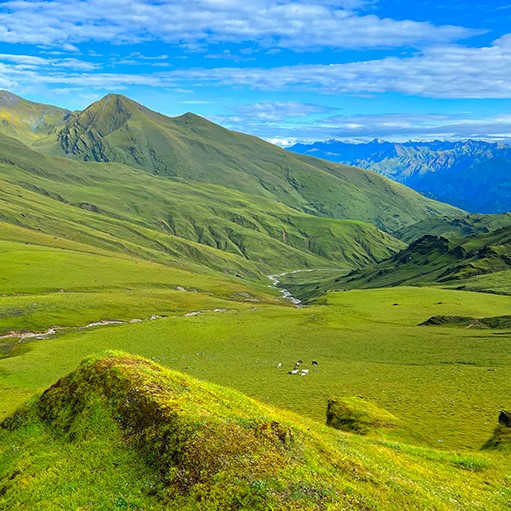
Dhorpatan Valley – Nepal’s Only Hunting Reserve, with Tibetan Cultural Influence
A Unique Reserve in Nepal
According to the Department of National Parks and Wildlife Conservation (DNPWC), Dhorpatan Hunting Reserve was established in 1983 and officially gazetted in 1987 with the dual purpose of permitting controlled hunting and preserving a representative high-altitude ecosystem in western Nepal. The reserve covers an expansive 1,325 km² and spans across Myagdi, Rukum, and Baglung districts. It ranges in elevation from 2,850 to over 7,000 meters, making it a haven for both alpine flora and fauna.
Home to Blue Sheep, Red Panda & Snow Leopards
Dhorpatan is divided into six blocks for hunting management purposes and is especially known for being the prime habitat of blue sheep, a highly prized trophy animal. According to DNPWC’s 2007 status survey, the reserve is home to 852 blue sheep, along with other species like Himalayan tahr, serow, musk deer, wild boar, Himalayan black bear, goral, and the elusive snow leopard. Rare and endangered species such as the red panda, wolf, cheer pheasant, and Danphe (Impeyan pheasant) also roam these remote valleys.
Cultural Fusion and Traditional Livelihoods
The reserve is surrounded by villages inhabited by Magar, Thakali, and Gurung communities. Their culture is deeply influenced by Tibetan traditions, visible in religious practices, architecture, and lifestyle. Locals rely on the reserve for fuelwood, timber, pasture, and medicinal plants, and more than 80,000 livestock graze inside the reserve during the warmer months.
Flora, Climate, and Terrain
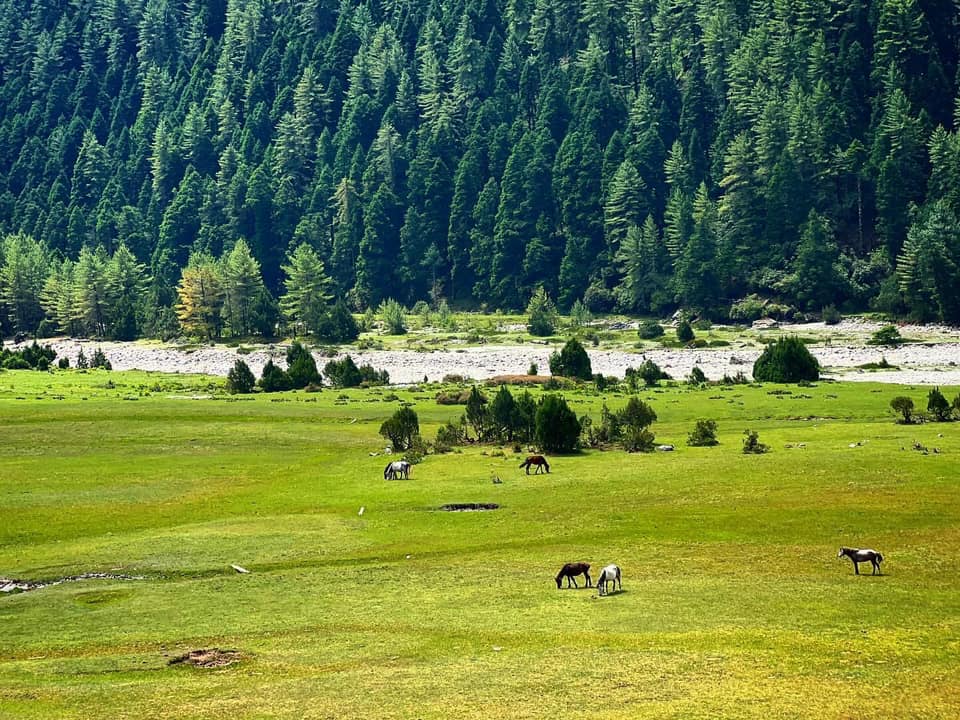
The vegetation includes a mix of alpine, subalpine, and high temperate forests, with tree species like rhododendron, juniper, fir, birch, oak, and hemlock. Pasturelands cover over 50% of the area at higher elevations.
The climate is highly variable — with strong monsoon influence until early October, frequent snowfall, and strong winter winds that keep daytime temperatures low. The best time to visit, as per DNPWC, is March to April, when weather is clear and wildlife viewing is optimal.
Religious and Scenic Attractions
- Dhorbaraha Temple, located near the Uttarganga River, is a sacred Hindu site in the Fagune block. Thousands of pilgrims gather here annually during Janai Purnima in August.
- The Barse, Dogari, and Gustang blocks provide magnificent views of the Dhaulagiri Range, while Seng and Sundaha are rich in wildlife.
According to Wikipedia
As per Wikipedia, Dhorpatan is characterized by marshland (dhor), flat meadows (patan), and snow-capped peaks. The reserve features 58 recorded vascular plant species, 18 mammal species, and 137 bird species, making it a significant conservation area for both biodiversity and traditional ecological knowledge.
How to Get There
- By Road: Kathmandu → Baglung Bazaar → Burtibang or via Tansen–Tamgash (Gulmi)
- On Foot: 2–3 day trek from Beni, Myagdi
- By Air: Chartered helicopter from Kathmandu or Pokhara on request
Important Note
Visitors should be self-sufficient with fuel (kerosene/gas) as only limited fuelwood collection is allowed. Permits and hunting licenses must be obtained through DNPWC.
Dhorpatan Valley is more than just a hunting ground; it's a pristine sanctuary where ancient cultures, rare species, and epic landscapes come together in raw and powerful harmony. For adventurous trekkers, conservationists, or wildlife photographers, this is Nepal at its most authentic and untamed.
