
EBC Fitness Plan: How to Train for Everest Base Camp if You Live at Sea Level
Trekking to Everest Base Camp (EBC) is one of the most thrilling adventures a hiker can undertake. While the trek doesn’t require technical climbing skills, it does demand stamina, strength, and high-altitude endurance. For trekkers living at sea level, preparing your body for the thin Himalayan air and long daily hikes is critical.
This guide provides a practical fitness plan and training tips to ensure you arrive at the trail ready, confident, and capable of completing your Everest journey safely.
Understanding the Challenge
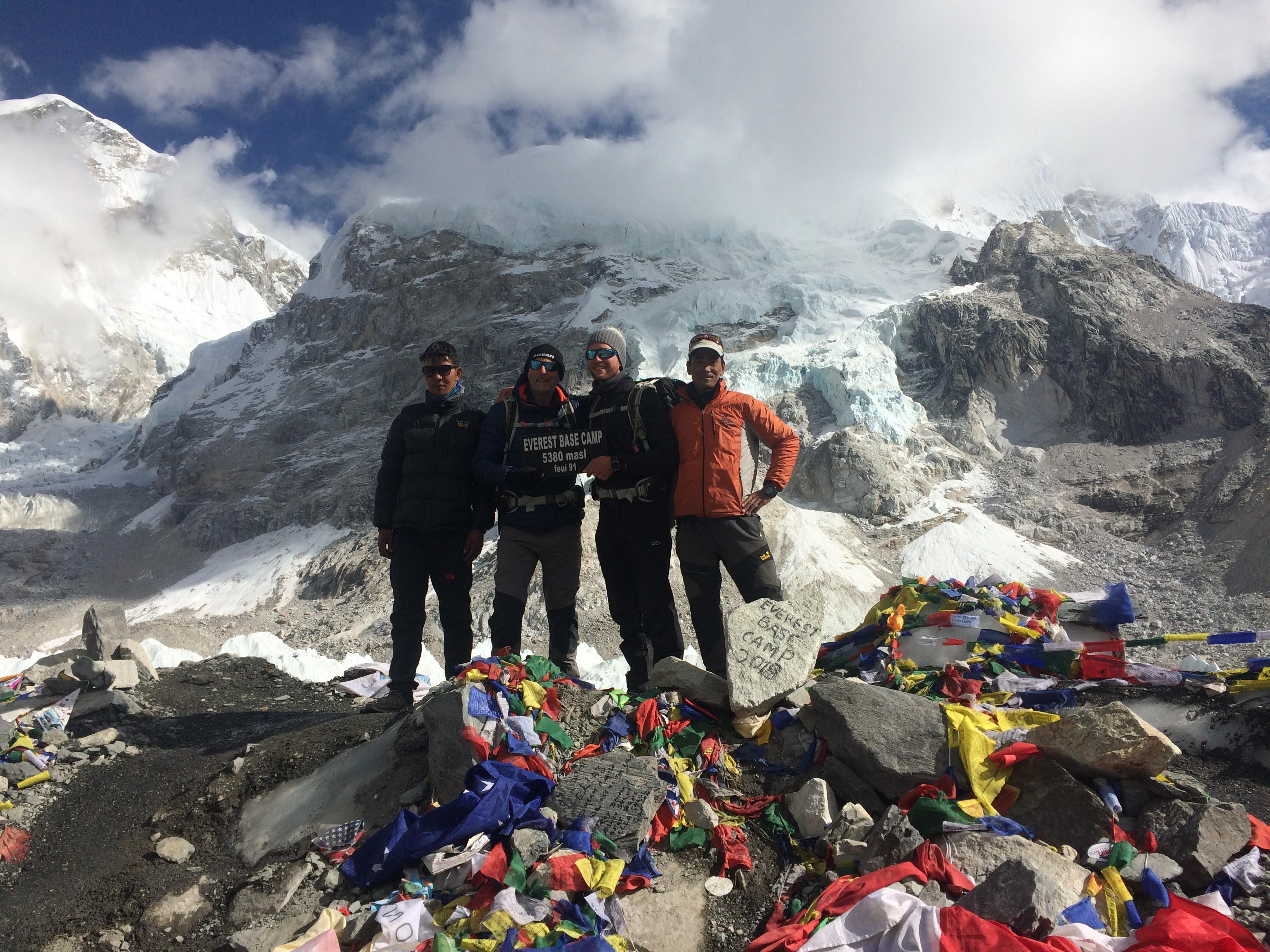
The EBC trek spans approximately 130 kilometers round trip, usually over 12–14 days. The highest point, Everest Base Camp, sits at 5,364 meters (17,598 feet).
Key challenges for sea-level trekkers include:
- Reduced oxygen availability at high altitude
- Long daily hikes of 5–8 hours
- Steep ascents and descents on rocky trails
- Carrying a backpack with essentials
While you cannot fully simulate high-altitude conditions at sea level, targeted training can maximize cardiovascular fitness, leg strength, and endurance, reducing the risk of fatigue and altitude sickness.
Cardiovascular Training
Cardio is the backbone of your EBC preparation. It strengthens your heart, improves lung capacity, and increases overall stamina.
Recommended exercises:
- Running or Jogging: 30–60 minutes, 3–5 times per week. Mix flat terrain and hills.
- Stair Climbing: Simulates uphill trekking. Use stairs or a stair-stepper for 20–40 minutes.
- Cycling: Builds leg strength and endurance with low impact on joints.
- Hiking with a Weighted Backpack: Start with 5–10 kg, increasing gradually to simulate trek conditions.
Tip: Interval training (alternating high intensity with recovery periods) is highly effective for improving cardiovascular capacity for altitude hiking.
Strength Training
Strong legs, core, and back muscles are essential for trekking at high altitude, carrying your pack, and navigating uneven trails.
Focus areas:
- Legs: Squats, lunges, step-ups, calf raises
- Core: Planks, Russian twists, sit-ups
- Back and Shoulders: Deadlifts, rows, shoulder presses (to support backpack weight)
Frequency: 2–3 sessions per week, combining lower body and core exercises.
Tip: Functional strength exercises that mimic hiking movements like step-ups with added weight are particularly effective.
Endurance Training
The EBC trek involves consecutive days of trekking. Building endurance means your body can recover quickly for the next day’s hike.
Training methods:
- Long-distance hikes on weekends with a loaded backpack
- Back-to-back cardio sessions on consecutive days to simulate trekking fatigue
- Gradually increasing duration and intensity over several months
Tip: Practice trekking on trails or uneven terrain if possible. It’s the best way to adapt your muscles and joints to trekking conditions.
Flexibility and Recovery
Preventing injuries and maintaining mobility is essential, especially for the knees, hips, and lower back.
Recommended practices:
- Stretching before and after workouts, focusing on legs and back
- Yoga or mobility routines to improve balance and flexibility
- Foam rolling for muscle recovery
Tip: Recovery is as important as training. Adequate sleep and rest days improve performance and reduce risk of overuse injuries
Simulating Altitude
While you can’t fully replicate Everest altitude at sea level, there are ways to prepare your body for lower oxygen levels:
- Inclined treadmill or stair climbing increases cardiovascular demand
- Hypoxic training masks can help simulate oxygen deprivation, though results vary
- Gradual increase in training intensity improves efficiency in oxygen use
Tip: The best “altitude training” occurs during the trek itself. Arrive fit, acclimatize properly, and pace yourself.
Sample Weekly Training Plan
Monday: 45-minute jog + core workout
Tuesday: Strength training (legs + back)
Wednesday: Rest or light yoga
Thursday: Interval running or stair climbing
Friday: Strength training (legs + shoulders)
Saturday: Long hike with weighted backpack
Sunday: Recovery walk or light cardio + stretching
Adjust the intensity and duration according to your fitness level. Gradual progression is key.
Final Tips for Sea-Level Trekkers
- Start training at least 3–4 months before your trek
- Practice trekking with the gear you will carry
- Focus on gradual increase in distance, elevation, and weight
- Prioritize hydration, nutrition, and sleep during training
With proper preparation, sea-level trekkers can successfully tackle the EBC trek, enjoying the stunning landscapes and the once-in-a-lifetime experience without being overwhelmed by physical challenges.
