
Eco-Trekking 101: How to Leave Zero Trace in the Khumbu
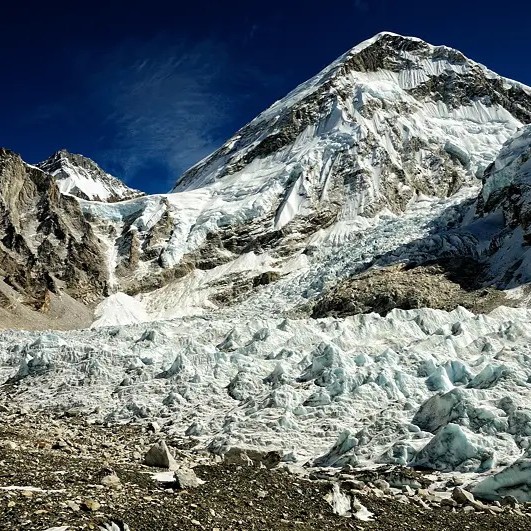
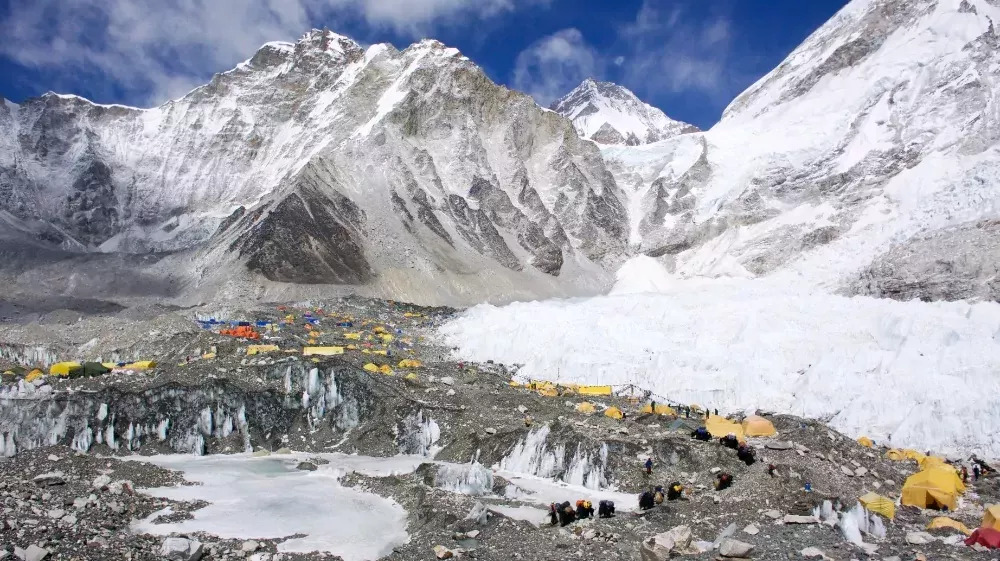
Everest Base Camp trekking is breathtaking, but it comes with a responsibility: protecting the fragile Himalayan environment. The Khumbu region is home to glaciers, alpine meadows, and rare wildlife that can be damaged by careless trekking. Eco-trekking isn’t just a trend, it's a necessity. Here’s your complete guide to leaving zero trace on the Everest trail in 2027.
1. Plan Ahead and Prepare
- Choose sustainable operators: Work with companies like Mountain Tiger Nepal that prioritize eco-friendly practices.
- Pack light: Fewer items mean less waste and easier management of trash.
- Bring reusable gear: Bottles, utensils, and bags reduce single-use plastic.
2. Respect the Trail
- Stick to established paths to prevent soil erosion and damage to vegetation.
- Avoid shortcuts across fragile terrain or glaciers.
- Be mindful of wildlife habitats; do not disturb animals or birds.
3. Manage Waste Responsibly
- Carry a small trash bag for toilet paper, wrappers, or packaging.
- Dispose of waste only in designated areas or eco-friendly collection points.
- Avoid burning trash—high-altitude fires are dangerous and pollute the air.
4. Toilets and Hygiene
- Use eco-friendly toilets whenever available; many tea houses provide composting or septic systems.
- Never leave toilet paper or human waste on trails; use designated bins or carry it out in biodegradable bags.
- Sanitize hands regularly with biodegradable soap or sanitizer.
5. Food and Water Practices
- Bring reusable containers for snacks and water.
- Avoid single-use plastic bottles; carry a refillable water bottle with a filter or UV purifier.
- Eat in moderation to reduce leftover food waste, and compost organic waste if possible.
6. Minimize Energy Impact
- Support tea houses that use solar panels or efficient stoves.
- Limit unnecessary electricity use, especially for charging devices.
- Respect local customs and energy resources; high-altitude villages have limited power.
7. Leave Only Footprints
- Take photographs, memories, and stories not rocks, plants, or artifacts.
- Avoid graffiti or carving names into rocks, trees, or structures.
- Share eco-conscious practices with fellow trekkers to spread awareness.
Final Thoughts
Eco-trekking is more than a set of rules, it's a mindset. By respecting nature, managing waste, and treading lightly, you ensure that the Khumbu region remains pristine for future generations of trekkers and Sherpa communities.
Mountain Tiger Nepal promotes sustainable trekking practices, providing eco-friendly itineraries, responsible waste management guidance, and tips to make your Everest adventure enjoyable, safe, and environmentally conscious.
