
Everest Beyond the Summit: Exploring Ancient Bee-Harvesting Rituals
While the world marvels at Everest climbers reaching its icy peaks, few notice a quieter, breathtaking spectacle unfolding in the foothills: ancient cliff bee-harvesting rituals. Here, local communities continue a centuries-old tradition of collecting wild honey from vertical Himalayan cliffs, blending courage, culture, and a deep reverence for nature.
The Thrill of Cliff Honey Harvesting
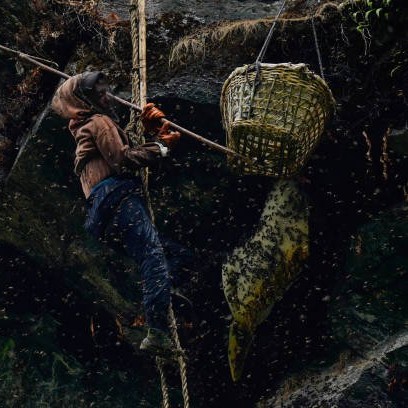
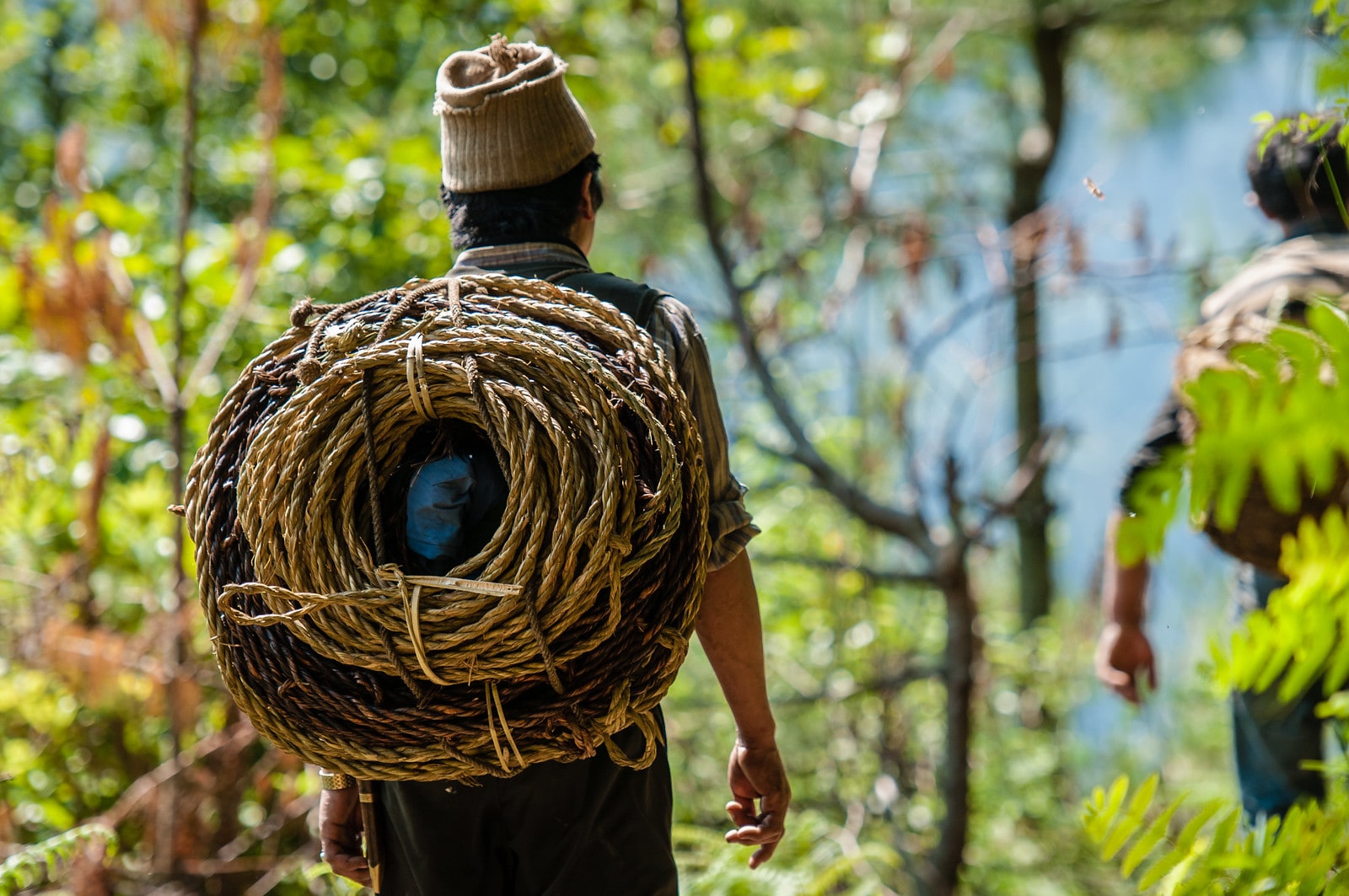
Unlike modern beekeeping, this practice involves scaling sheer cliffs to reach hives built by Himalayan cliff bees (Apis laboriosa), the largest honeybee species on earth. Using bamboo ladders, hemp ropes, and traditional harvesting sticks, hunters hang hundreds of meters above the ground, extracting honey while carefully managing aggressive swarms with controlled smoke.
It’s an adrenaline-filled adventure, but also a sacred ritual. Hunters perform prayers and offerings to the spirits of the cliffs and the bees, invoking safety and success before each expedition. This ritualistic approach reflects the deep cultural and spiritual roots of honey hunting in Nepal.
Cultural Significance
For Sherpa and other indigenous communities, honey harvesting is far more than collecting sweet nectar. It represents:
- A sacred tradition: Rituals honor both the bees and the mountain spirits.
- Medicinal value: Himalayan honey, often called mad honey, is known for its psychoactive properties derived from rhododendron nectar, as well as antibacterial and anti-inflammatory benefits.
- Cultural heritage: Skills and techniques are passed down through generations, sustaining community identity and social cohesion.
Before a hunt, local hunters conduct ceremonies involving offerings of rice, flowers, and prayers. These acts symbolize respect for the bees and the environment, reinforcing a harmonious relationship between humans and nature.
When and Where to Witness
Best Seasons: Spring and autumn, when the weather is clear and bee colonies are most active.
Key Destinations:
- Namche Bazaar: Sherpa communities practicing traditional cliff honey harvesting.
- Phakding & Monjo: Accessible valleys with active hives for safe observation.
- Remote mid-hill valleys: Lesser-known sites where skilled guides lead visitors to observe hunts safely.
These destinations offer a chance to witness daring hunters in action while enjoying panoramic views of Everest and the surrounding peaks.
The Honey Harvesting Process
- Locating Hives: Hunters identify active cliff hives through experience and observation.
- Ritual Preparation: Offerings and prayers for safety and successful harvesting.
- Scaling the Cliffs: Hunters climb using bamboo ladders and ropes, often hundreds of meters above the ground.
- Calming Bees: Controlled smoke is applied to reduce aggression.
- Collecting Honey: Honeycombs are carefully cut and lowered to the valley floor.
- Post-Harvest Rituals: Celebrations and offerings ensure gratitude and community sharing.
Safety and Responsible Tourism
This is a dangerous and specialized practice. Tourists should never attempt to harvest honey themselves. The safest way to experience it is through:
- Guided tours with local experts
- Observation points set up by communities
- Respect for cultural rituals and environmental sustainability
Supporting these tours helps preserve local traditions, protect endangered Himalayan bees, and promote sustainable tourism.
Why Witness Everest’s Honey Harvesting Rituals?
Experiencing this tradition provides a rare glimpse into:
- Human courage and ingenuity
- Centuries-old cultural practices
- Vital ecological connections between bees and mountain ecosystems
- Stunning Himalayan landscapes far from crowded trekking trails
It’s an adventure that combines adrenaline, spirituality, and natural beauty, offering a unique perspective of life in the Everest region beyond the summit.
Final Thoughts
Everest may captivate climbers, but the foothills tell stories of courage, ritual, and harmony with nature. Observing cliff honey harvesting is not just a sightseeing opportunity, it's an immersion into a living cultural practice that has endured for generations. For travelers seeking authentic Himalayan experiences, this ancient tradition offers a journey that transcends ordinary adventure, leaving lasting memories of bravery, culture, and the mountains’ untamed beauty.
