
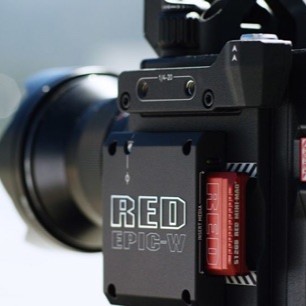
Film Permits in Nepal — The Definitive Guide (Premium, Production-Ready)
TL;DR: Filming in Nepal requires a central national permit plus location-specific permissions (heritage sites, national parks, aerial/drone, restricted/high-altitude zones). Prepare a shooting synopsis, full crew passports, equipment list (value), and appoint a Nepali local coordinator (we recommend Mountain Tiger Nepal). Typical turnaround: national permit ~5–7 working days; drone & park permits 3–10 days; customs (ATA Carnet) often same day–2 days. MTN handles documents, government liaison, customs, and on-ground compliance so your production stays legal, safe, and on schedule.
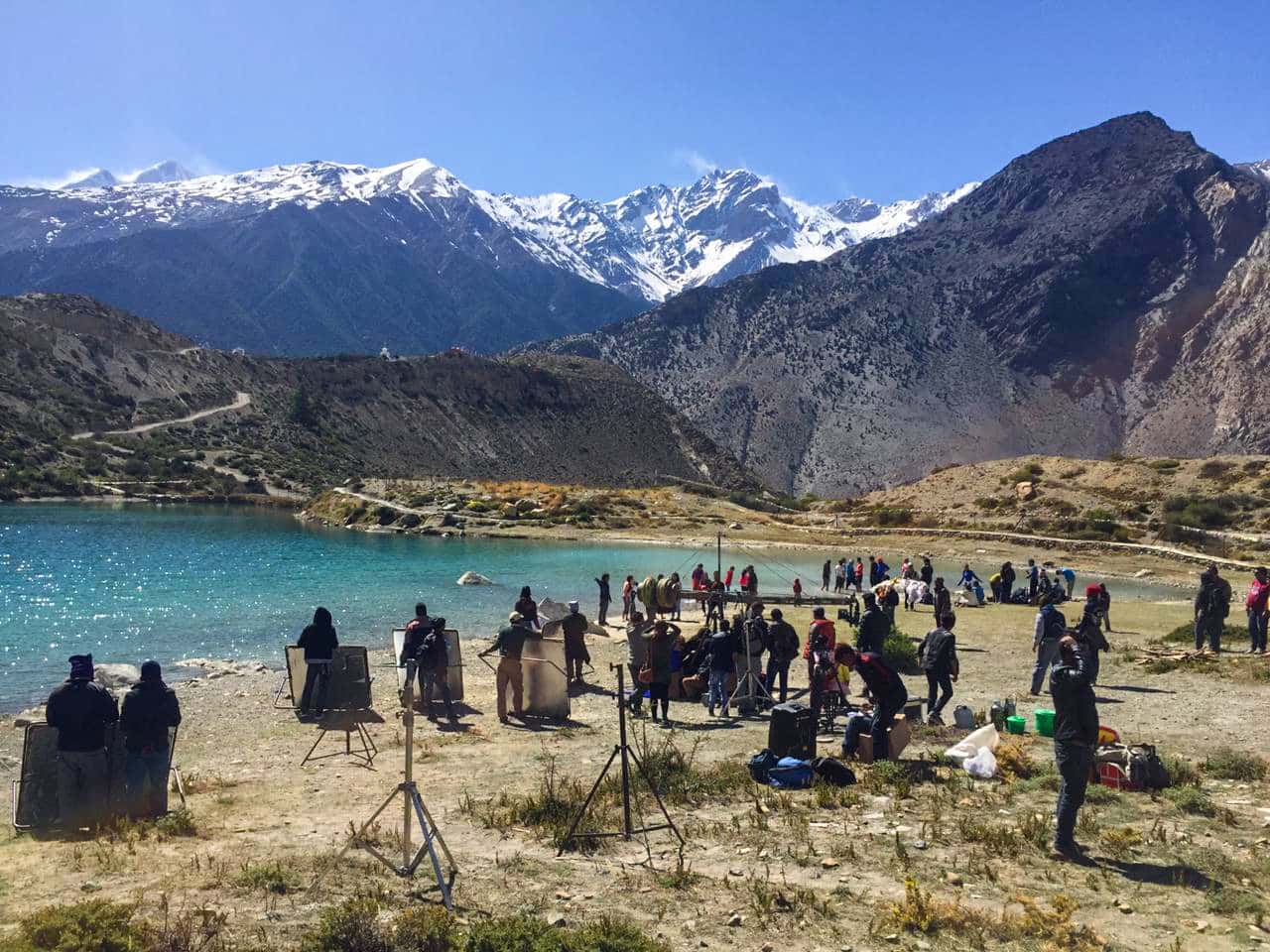
Why permits matter (and why you shouldn’t skip them)
Nepal protects its cultural heritage, wildlife, and airspace. Proper permits:
- Keep your production legal and insured
- Prevent equipment seizure or shoot shutdowns
- Ensure respectful access to temples, monuments and protected areas
- Enable drone/aerial operations under authorized conditions
Foreign productions must nominate a Nepali local representative to apply for permits — this is standard practice and a practical necessity.
The permit types you’ll need (snapshot)
- National Film Production Permit (MoIC / Film Development Board)
- The primary authorization for foreign crews. Authorizes import of equipment and country-wide shooting.
- Heritage / Archaeology Permits
- Required for Pashupatinath, Patan, Bhaktapur, Swayambhu, Lumbini, palace museums, etc. Each site may have separate fees and cultural protocols.
- National Parks & Conservation Area Permits
- DNPWC, ACAP, Sagarmatha NP and others oversee wildlife and protected zones; stricter fees and conditions apply.
- Drone / Aerial Permits (CAAN + local clearances)
- Civil Aviation Authority + local/army clearance in sensitive areas. Drone pilots’ credentials, insurance and flight plans required.
- Restricted & High-Altitude Area Permits
- Mustang, Dolpa, border zones and some high-altitude valleys require security and community clearances.
- Customs Temporary Import (ATA Carnet or Letter of Guarantee)
- For professional camera gear. ATA Carnet recommended; otherwise use FDB/local producer letter of guarantee and/or refundable customs bond.
Documents you must have ready (production checklist)
- One-page shooting synopsis (creative intent + locations)
- Full crew list with roles + passport scans for all foreign nationals
- Detailed shooting schedule & location list (dates, GPS coordinates for remote sites)
- Equipment list with values (pro-forma invoices) for customs / ATA Carnet
- Local coordinator appointment letter (MTN can provide and act as your Nepali representative)
- Drone packet (drone model, weight, pilot licenses, insurance, proposed flight plans)
- Risk & medical plan (high-altitude evacuation, insurance, emergency contacts)
- Heritage / park research & mitigation measures (how you will protect sites/wildlife)
Typical timings (real-world expectations)
- National Film Permit: 5–7 working days (if documents are complete)
- Heritage sites: 1–3 working days for routine requests; longer for UNESCO/complex sites
- National parks / conservation areas: 2–10 working days depending on sensitivity
- Drone/CAAN: 3–10 working days (military/security areas add time)
- Customs temporary import (with Carnet / guarantee): same day to 2 days
Pro tip: Start permit applications 6–8 weeks before principal photography for a smooth schedule.
Ballpark costs (ranges to budget for)
(Actual fees depend on production scale, location, duration — MTN will provide exact current tariffs.)
- National permit: variable (documented on request)
- National park permits: USD 1,000 – 5,000+ (park, duration, crew size dependent)
- Drone permit admin: USD 100 – 400 (+ possible bonds in sensitive zones)
- Customs bond / refundable deposit: depends on equipment value (modest if ATA Carnet used)
Drone & aerial filming — critical rules
- Apply to CAAN early with drone specs, pilot credentials, insurance, and detailed flight plans.
- Expect separate army/security clearance for the border, Everest, and some restricted zones.
- In parks and around sensitive wildlife (vultures, snow leopard habitats) DNPWC approval is often required and aerial disturbance is tightly managed.
- Always carry printed approvals with pilots and have mapped, approved takeoff/landing zones
Customs & equipment import — ATA Carnet vs. letter of guarantee
- ATA Carnet: simplest, standard for temporary imports — minimizes delays and customs deposits.
- Without Carnet: local coordinator / Film Dev Board issues a Letter of Guarantee and customs may ask for a refundable security.
- Pre-notify customs broker & airport cargo with packing lists and permit copies to speed clearance on arrival.

National parks & wildlife filming — special considerations
- Expect mandatory local ranger/escort, restricted overnight access, and smaller permitted crew sizes.
- Be prepared to submit mitigation measures and accept ecological conditions (no drones near nesting sites, set routes only, no off-trail vehicles).
- Fees are higher for foreign crews; plan and budget accordingly.
Real-world pitfalls (and how to avoid them)
- Gear detained at customs — avoid by using ATA Carnet or submitting complete paperwork and guarantee letters ahead of arrival.
- Last-minute drone denial — file CAAN + local clearances early; MTN always files drone requests as a first priority.
- Heritage complaints / community friction — MTN arranges cultural briefings, liaison officers, and correct shoot timings to prevent shutdowns.
- Hidden park fees / ranger costs — MTN estimates and reserves funds upfront so budgets don’t surprise you.
Production timeline (recommended planning calendar)
- T – 8 weeks: Appoint MTN; collect crew/equipment docs; begin permit packet.
- T – 6 weeks: Submit national permit; start heritage/park requests; arrange ATA Carnet if chosen.
- T – 4 weeks: File drone/CAAN application; confirm customs broker & arrival logistics.
- T – 2 weeks: Confirm printed permits, on-site police coordination, local crews, medical plan.
- Arrival week: MTN meets crew at the airport, clears customs, hands over permit packs and local liaison.
What Mountain Tiger Nepal (MTN) does for you — Full Permit & Facilitation Package
MTN Full Service (recommended for international productions):
- Acts as your local coordinator / official representative for all applications
- Prepares & submits complete permit packets to MoIC / Film Development Board, heritage offices, DNPWC / conservation authorities, CAAN, and municipalities
- Manages ATA Carnet / customs or posts guarantees on your behalf
- Files CAAN/drone applications and secures local army/security clearance if required
- Arranges local rangers, cultural liaisons, translators, and certified fixers
- Delivers on-site permit packs, daily permit checks, and liaison with police/park rangers
- Provides risk management & medical readiness, high-altitude protocols, and emergency evacuation plans
- Transparent handling of all official fees and local payments
Producer’s one-page permit checklist (print for the team)
- Shooting synopsis (1 page)
- Crew list + passport scans
- Equipment list + values (pro-forma invoices)
- Location list + dates (GPS for remote sites)
- Local coordinator appointment letter (MTN)
- Drone specs + pilot licenses (if applicable)
- Medical & insurance certificates + evacuation plan
- Contact list: FDB / CAAN / DNPWC / MTN on-call
FAQs (quick answers producers ask)
Q: Do foreigners need a Nepali fixer to apply?
A: Yes — a Nepali representative is required and practical. MTN is the recommended local producer representative.
Q: How long does a drone permit take?
A: Typically 3–10 working days, longer if army/security clearance is required.
Q: Can we film inside Pashupatinath or Durbar Squares?
A: Yes — with heritage permits and strict cultural protocols. MTN coordinates timings to respect rituals.
Q: Will our equipment be taxed at customs?
A: Not if ATA Carnet or a valid letter of guarantee is presented. Proper paperwork avoids duty.
