
From Childhood to Peaks: How Sherpas Learn to Walk Mountains
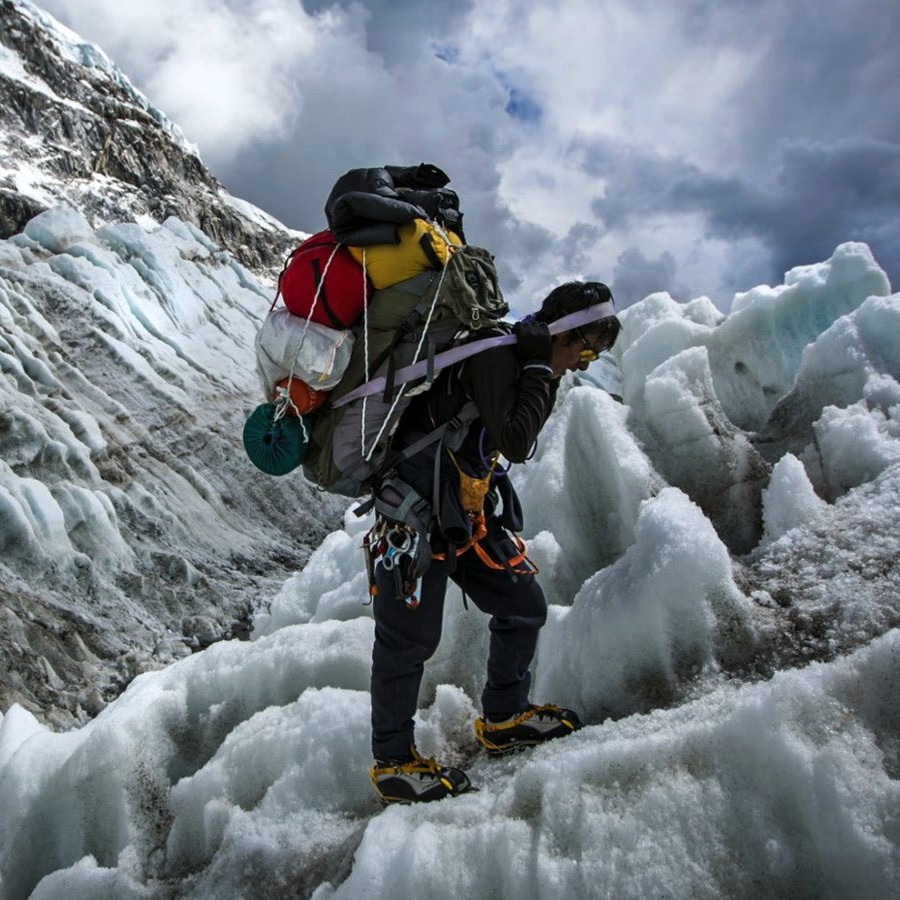
In the heart of the Himalaya, where jagged peaks pierce the sky and oxygen thins with every meter, the Sherpa people move with an effortless rhythm that seems almost superhuman. Yet their extraordinary endurance and mountaineering skills aren’t born overnight; they are forged from childhood.
For Sherpas, life itself is a training ground. From the moment they take their first steps, they are walking mountains, building the strength, balance, and resilience that will later guide climbers across some of the most extreme terrain on Earth.

Early Steps in the High Himalaya
Sherpa children grow up in villages perched between 2,500 and 4,000 meters, surrounded by towering peaks, glaciers, and rugged trails. Daily life is physically demanding yet naturally acclimatizing:
- Walking long distances to school over steep trails
- Carrying firewood, water, and supplies
- Helping with farming and livestock, often on uneven terrain
- Navigating rivers, suspension bridges, and rocky passes
Each step is a lesson in balance, coordination, and endurance. Unlike lowland children, Sherpas begin adapting to low oxygen and high-altitude conditions from infancy, creating a lifetime of physiological and mental resilience.
Natural Acclimatization from Birth
Sherpa bodies evolve alongside their environment:
- Larger lung capacity allows better oxygen intake
- Stronger heart and cardiovascular efficiency sustain activity at altitude
- Enhanced red blood cell regulation avoids complications common in lowlanders
- Efficient energy metabolism keeps muscles active for hours
By the time a Sherpa reaches adolescence, their bodies are naturally tuned to thin air, cold temperatures, and steep terrain, providing a head start for high-altitude trekking and climbing.
Childhood as a Mountaineering School
Beyond physiology, Sherpa youth gain essential skills through daily routines:
1. Terrain Mastery
From small paths to high passes, children learn:
- Balance on uneven, rocky trails
- Safe navigation of slippery slopes
- Foot placement that conserves energy
These skills form the foundation of high-altitude mountaineering expertise.
2. Load-Bearing Practice
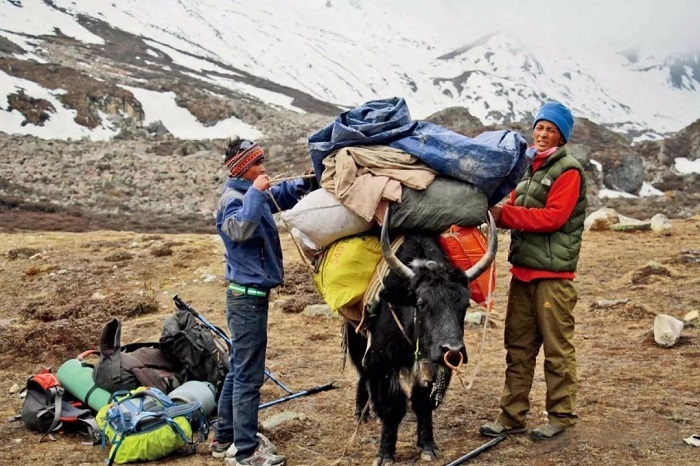
Carrying small bundles evolves into transporting heavy supplies. This gradual strengthening teaches proper posture, weight distribution, and endurance critical for portering and guiding on Himalayan expeditions.
3. Mental Toughness
Exposure to unpredictable weather, avalanches, and steep descents fosters:
- Calmness under pressure
- Risk awareness and quick decision-making
- Patience and strategic thinking
Sherpa children grow mentally prepared for extreme conditions before ever stepping onto a climbing expedition.
Cultural Lessons in Endurance
Physical conditioning is inseparable from Sherpa cultural values:
- Discipline: Completing daily chores, attending school, and assisting elders teaches responsibility and consistency.
- Community Spirit: Working together on farms, trails, and festivals nurtures cooperation, teamwork, and trust key traits in mountaineering.
- Respect for Nature: Living in harmony with the mountains cultivates awareness of environmental hazards and sustainable practices.
- Spiritual Connection: Childhood immersion in Tibetan Buddhist rituals instills mindfulness, calm, and focus that support endurance at altitude.
From Trails to Everest: A Lifelong Continuum
By adulthood, Sherpas are naturally prepared for:
- Long treks carrying heavy loads
- Climbing at extreme altitudes with minimal supplemental oxygen
- Guiding and supporting international expeditions
- Navigating unpredictable Himalayan terrain
What takes most climbers years of acclimatization and training is ingrained from early childhood in Sherpa communities. Their lifestyle produces lifelong endurance, mountain intuition, and unparalleled adaptability.
Lessons for Trekkers and Adventurers
Even if you don’t grow up in the Himalaya, Sherpas’ childhood approach offers valuable insights:
- Start early: Gradually build stamina and strength in your environment.
- Respect the terrain: Learn to move efficiently on uneven surfaces.
- Balance work and recovery: Endurance grows steadily, not through extremes.
- Cultivate patience and focus: Mental toughness is as important as physical fitness.
- Embrace mindful movement: Observe your body and surroundings with awareness.
Following Sherpa-inspired principles can improve trekking efficiency, prevent altitude sickness, and enhance endurance.
Final Reflection: Walking Mountains for Life
For the Sherpas, mountains are not just a destination; they are a classroom, a playground, and a teacher. Childhood trails become pathways to mastery, and every small step builds a foundation for the extraordinary endurance that the world admires today.
From the first steps in high-altitude villages to summiting the tallest peaks, Sherpas teach us that true strength is cultivated over a lifetime step by step, trail by trail, mountain by mountain.
