
From Rhododendrons to Giants: A Botanical Journey on the Annapurna Base Camp Trek
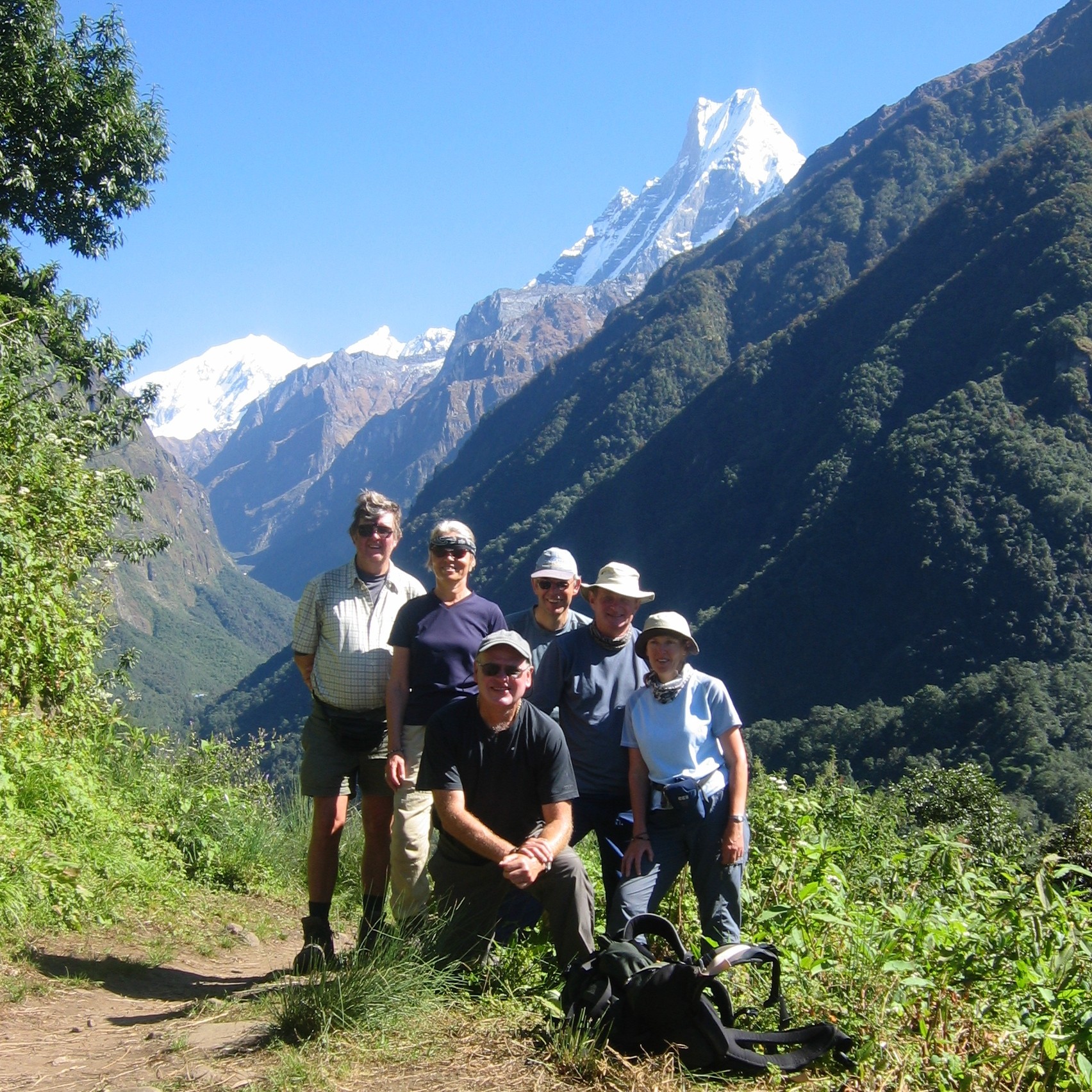
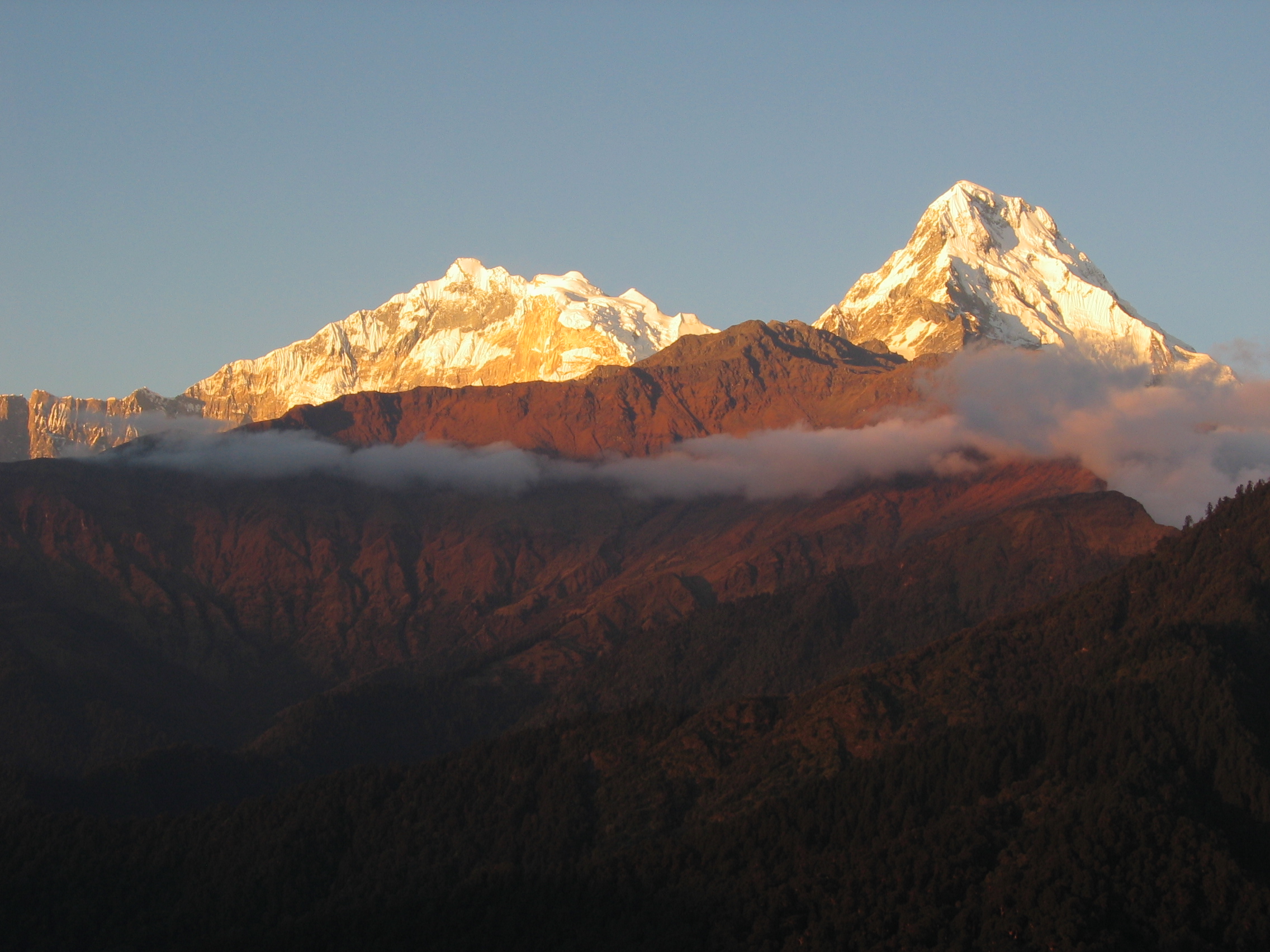
The Annapurna Base Camp Trek (ABC) is more than just a walk to the foot of the world’s tenth-highest mountain. It’s a living museum of biodiversity, a trail where fiery rhododendron forests, cascading waterfalls, medicinal herbs, and alpine meadows weave together to create one of the most ecologically rich treks in Nepal. Add to that the jaw-dropping sight of Annapurna I (8,091m/26,545 ft), Machhapuchhre (6,998m), and Dhaulagiri (8,167m), and you get a trekking experience that blends nature, culture, and conservation.
Whether you’re a botanist, nature lover, or simply an eco-curious traveler, the Annapurna Base Camp trek promises a journey that touches all senses.
Why the Annapurna Region is a Botanist’s Paradise
The Annapurna Conservation Area (ACA) Nepal’s largest protected region hosts over 1,226 species of flowering plants, 100+ mammals, 478 birds, and countless insects and amphibians. For trekkers, this means every day on the trail offers something new:
- Subtropical forests of bamboo, orchids, and cardamom near Tikhedhunga.
- Fiery rhododendron blooms (Nepal’s national flower) coloring Ghorepani and Tadapani in spring.
- Alpine flora such as edelweiss, primula, and gentians higher up near Machhapuchhre Base Camp.
- Medicinal plants like yarshagumba (caterpillar fungus) and rhododendron arboreum—used in traditional remedies.
Each elevation zone introduces a new ecosystem, making this trek feel like crossing continents in just 9 trekking days.
Highlights of the Annapurna Base Camp Trek
- Trek in the foothills of Annapurna (8,091m) – the 10th tallest mountain in the world.
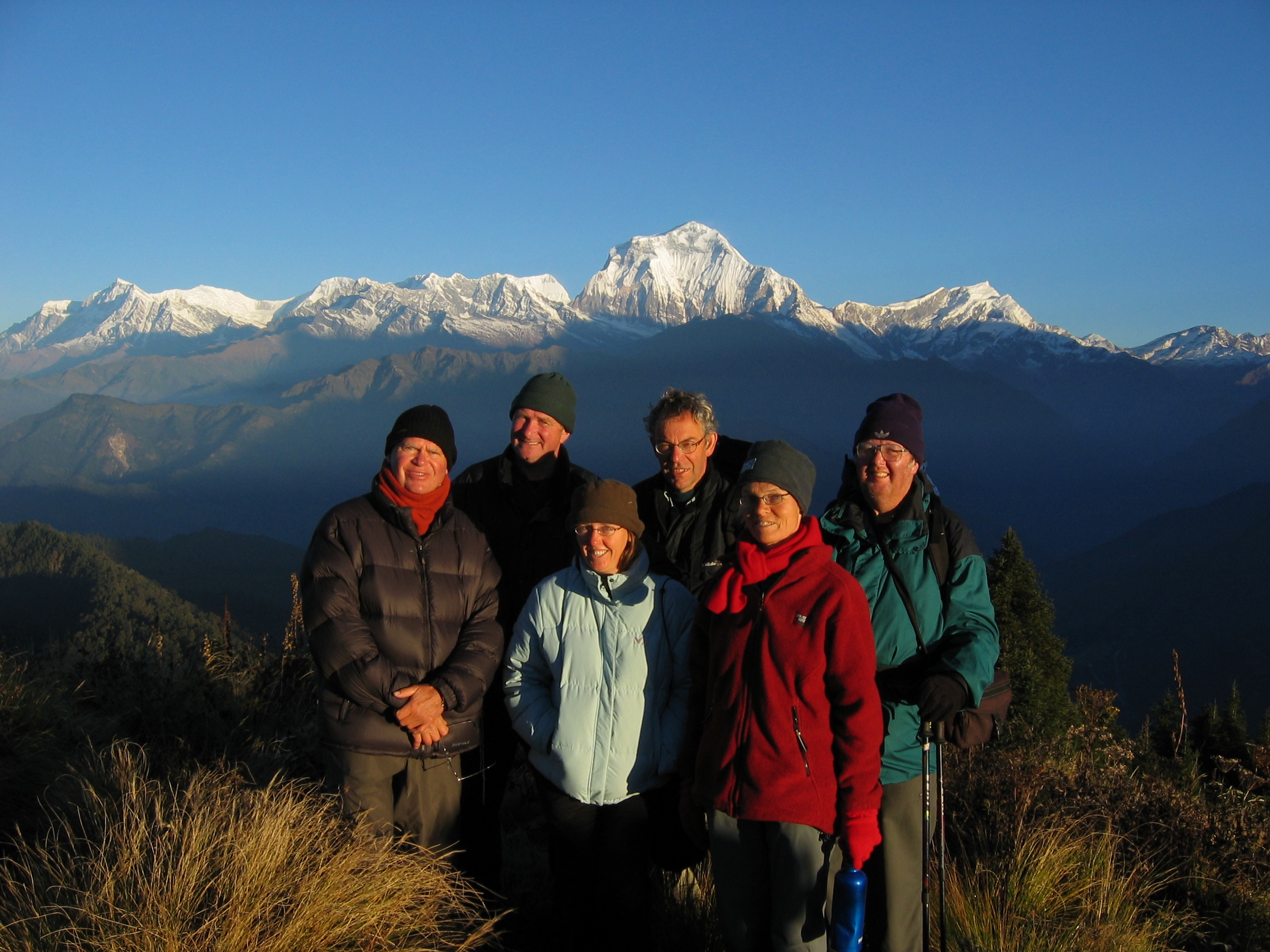
- Witness sunrise from Poon Hill (3,210m) with 32 Himalayan peaks bursting into light.
- Trek through rhododendron forests that set the trail ablaze in spring.
- Relax in Jhinu Danda’s natural hot springs after long trekking days.
- Explore Pokhara’s serene lakes and caves, a cultural and natural gateway to the Himalayas.
- Stay in warm Gurung and Magar villages, where hospitality is as vibrant as the mountain scenery.
Day-by-Day Eco-Trekking Itinerary
Day 1: Arrival in Kathmandu (1,400m) – Explore heritage sites and prepare for the trek.
Day 2: Fly to Pokhara → Drive to Naya Pul → Trek to Tikhedhunga (1,480m). Lush subtropical forests begin here.
Day 3: Trek to Ghorepani (2,874m) through blooming rhododendron corridors in spring.
Day 4: Sunrise at Poon Hill (3,210m) → Trek to Tadapani (2,610m). Himalayan orchids and magnolias flourish.
Day 5: Trek to Chomrong (2,150m), gateway to ABC. Terraced fields dotted with marigolds and millet.
Day 6: Trek to Himalaya Hotel (2,940m). Encounter bamboo groves and mossy forests.
Day 7: Trek to Machhapuchhre Base Camp (3,700m), entering the alpine zone. Edelweiss sightings possible.
Day 8: Trek to Annapurna Base Camp (4,130m) – amphitheater of giants. Return to Himalaya.
Day 9: Trek to Sinuwa via Jhinu Danda hot springs. Relax amid bamboo thickets.
Day 10: Trek to Syauli Bazaar → Drive back to Pokhara.
Day 11: Fly Pokhara → Kathmandu.
Day 12: Departure.
Responsible Trekking Tips for Nature Lovers
- Travel plastic-free: Carry a refillable bottle & purification tablets.
- Stick to marked trails: Protect fragile alpine flora.
- Respect seasonal blooms: Rhododendrons are breathtaking, but don’t pluck them.
- Support local eco-lodges: Many use solar power and bio-gas systems.
- Go slow & observe: Spot orchids, bird species, and butterflies often overlooked by hurried trekkers.
Trekking Essentials to Know
- Best Season: Spring (March–May for rhododendrons) & Autumn (Sept–Nov for clear skies).
- Difficulty: Moderate–Challenging (5–7 hrs trekking/day).
- Max Altitude: 4,130m (ABC).
- Permits Required: ACAP Permit + TIMS Card.
- Packing Tip: Bring trekking poles, eco-friendly sunscreen, and binoculars for birdwatching.
Why Choose the Annapurna Base Camp Trek for Eco-Tourism?
The ABC trek isn’t just a mountain adventure, it's a journey into living ecosystems that thrive at every altitude. You’ll pass through forests alive with rhododendrons, alpine meadows painted with wildflowers, and finally, the stark beauty of glaciers beneath Annapurna’s south face.It’s a trek where botany, culture, and adventure blend seamlessly perfect for travelers who want more than just mountain views.
If you’re looking for a trek that’s short, accessible, and ecologically rich, the Annapurna Base Camp Trek is your Himalayan garden path to the giants.
