Ghodaghodi Tal, Kailali – A Sacred Wetland Haven of Biodiversity and Culture
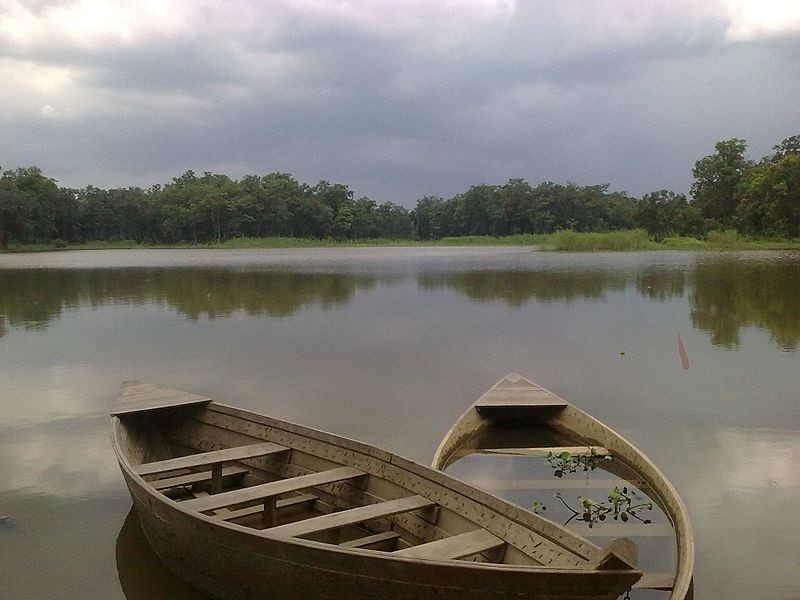
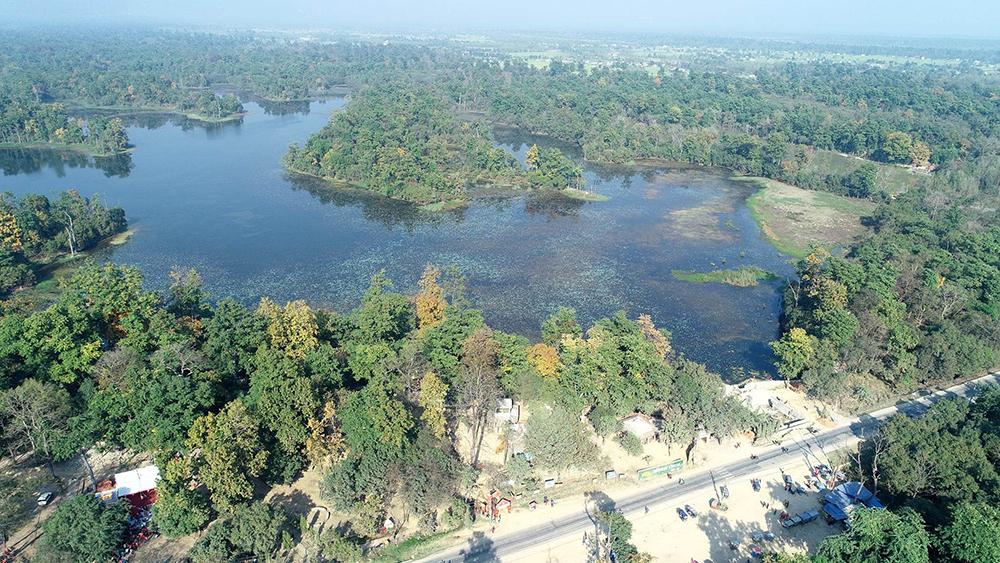
Nestled in the lower slopes of Nepal’s Siwalik Hills, Ghodaghodi Tal is a sprawling network of interconnected oxbow lakes, ponds, marshes, and meadows that together form one of Nepal’s most important Ramsar wetlands. Covering over 2,500 hectares in Kailali District at an elevation of just 205 meters, this tranquil freshwater lake system is a vibrant sanctuary of life and spirituality in the Terai region.
A Landscape of Lakes and Life
Ghodaghodi Tal is a complex mosaic of 13 large shallow lakes, including notable ones like Ojhuwa, Nakhrodi, and Budhi Nakhrodi, surrounded by tropical deciduous forests and scattered hillocks. Its waters feed a rich variety of aquatic plants, from water primrose and bladderwort to endangered orchids and sacred lotus, creating a vital habitat for flora uniquely adapted to this wetland ecosystem.
A Wildlife Corridor and Bird Paradise
This sanctuary acts as a crucial corridor linking the Terai lowlands with the Siwalik Hills, supporting a rich diversity of wildlife. The forests and wetlands shelter threatened species such as the elusive Bengal tiger, swamp deer, smooth-coated otters, and the rare lesser adjutant stork. During a recent survey, 26 mugger crocodiles were found across several lakes, underscoring the ecological richness of the area.
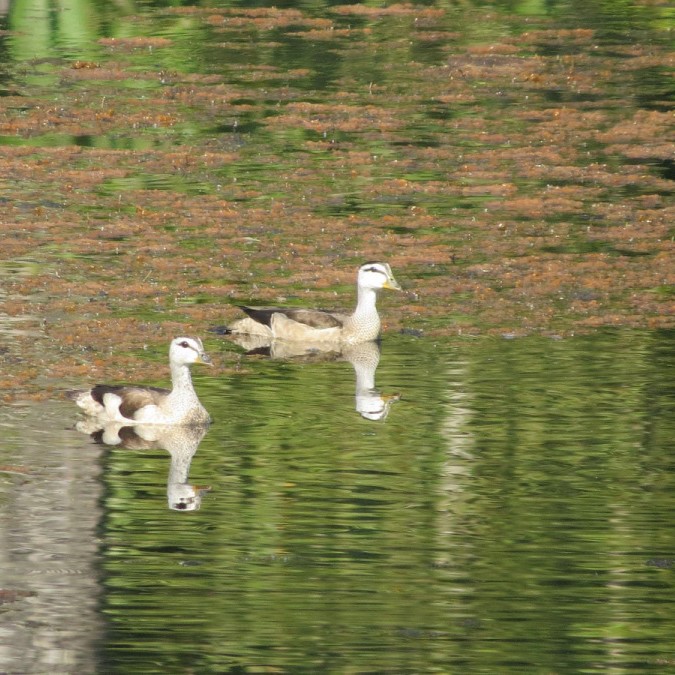
Birdwatchers flock here to spot over 140 bird species, including the globally vulnerable lesser adjutant and near-threatened darter, who find refuge in this wetland haven. The lake is also a critical stopover for migratory birds, making it a vibrant, living tapestry of avian life through the seasons.
Sacred Waters and Tharu Traditions
Ghodaghodi Tal is more than a natural marvel; it is a place steeped in legend and cultural reverence. According to local lore, the lake’s name meaning ‘male and female horses’ in Nepali stems from a myth where Lord Shiva and Goddess Parvati took the form of horses and circled the lake. A small temple on its banks is a focal point for the indigenous Tharu community, who hold annual festivals such as Agahan Panchami and Maghi here. Devotees offer clay horses, elephants, and tigers to Gauri Mata, seeking blessings and the fulfillment of wishes. Pilgrims also partake in sacred baths believed to cleanse body and soul.
A Lifeline for Local Livelihoods
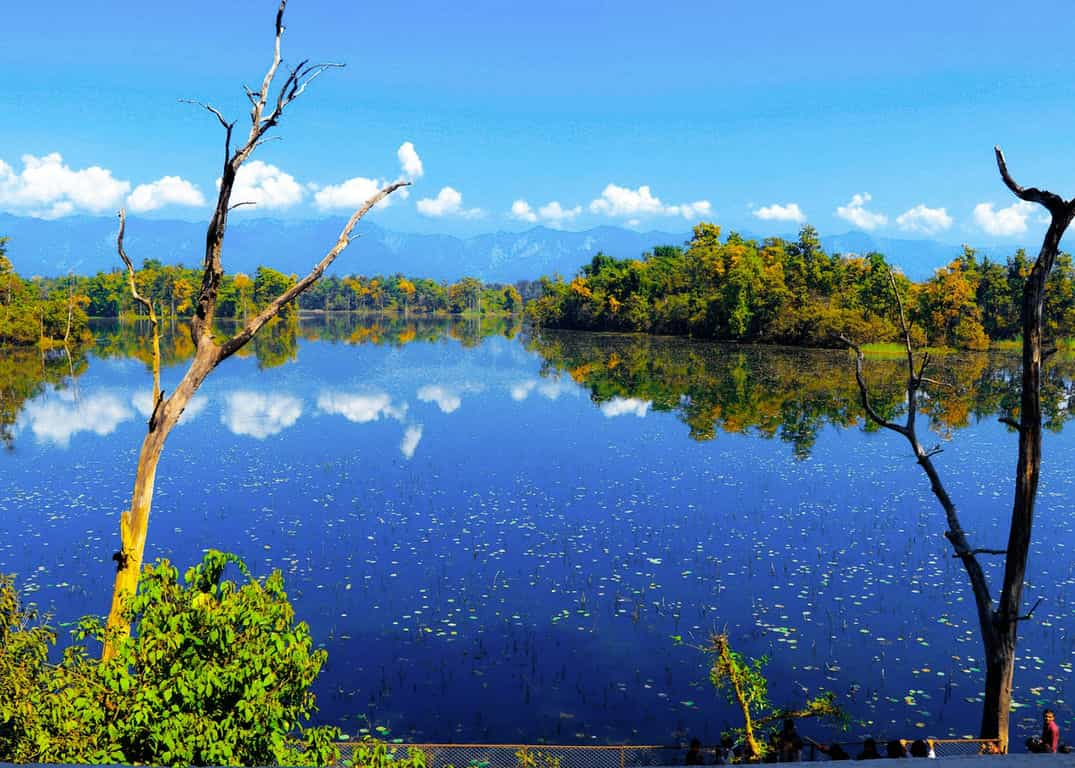
The fertile lands surrounding the lake support traditional agriculture and grazing, with the lake’s natural resources providing fodder, fuelwood, and fishing opportunities. It also plays a crucial role in maintaining the microclimate, mitigating floods, and replenishing groundwater, making it indispensable to local communities and their sustainable way of life.
Conservation and Community Stewardship
Managed by the Department of Forest and local forest offices with strong participation from community user groups and NGOs, Ghodaghodi Tal’s conservation is a collaborative success story. Community-based anti-poaching initiatives, scientific monitoring, and participatory management plans ensure that this ecological jewel continues to thrive, balancing human needs with nature’s resilience.
Visiting Ghodaghodi Tal
Located in far-western Nepal, Ghodaghodi Tal is accessible by road from Kailali’s district headquarters. Visitors come here to experience the harmonious blend of natural beauty, wildlife, and living cultural heritage. It is an ideal destination for ecotourists, birdwatchers, and those seeking spiritual connection with Nepal’s Terai wetlands.