
Hidden Culinary Trails of Nepal: Foods You Can Only Taste in Remote Villages
Introduction
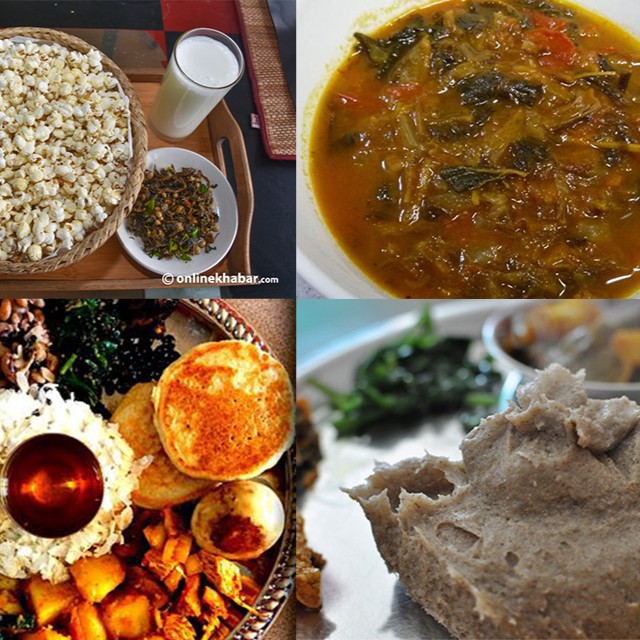
Nepal is more than Everest and trekking trails; it's a land of hidden tastes and culinary traditions that survive in its remote villages. While cities offer familiar Nepali dishes, the authentic flavors of local life are preserved in the hills, highlands, and secluded valleys, often prepared in ways that have remained unchanged for generations.
For adventurous travelers, food becomes a gateway into culture, history, and daily life from steaming bowls of millet porridge in the morning to yak cheese grilled over open flames at night.
1. Morning Buckwheat Delights in Himalayan Hamlets
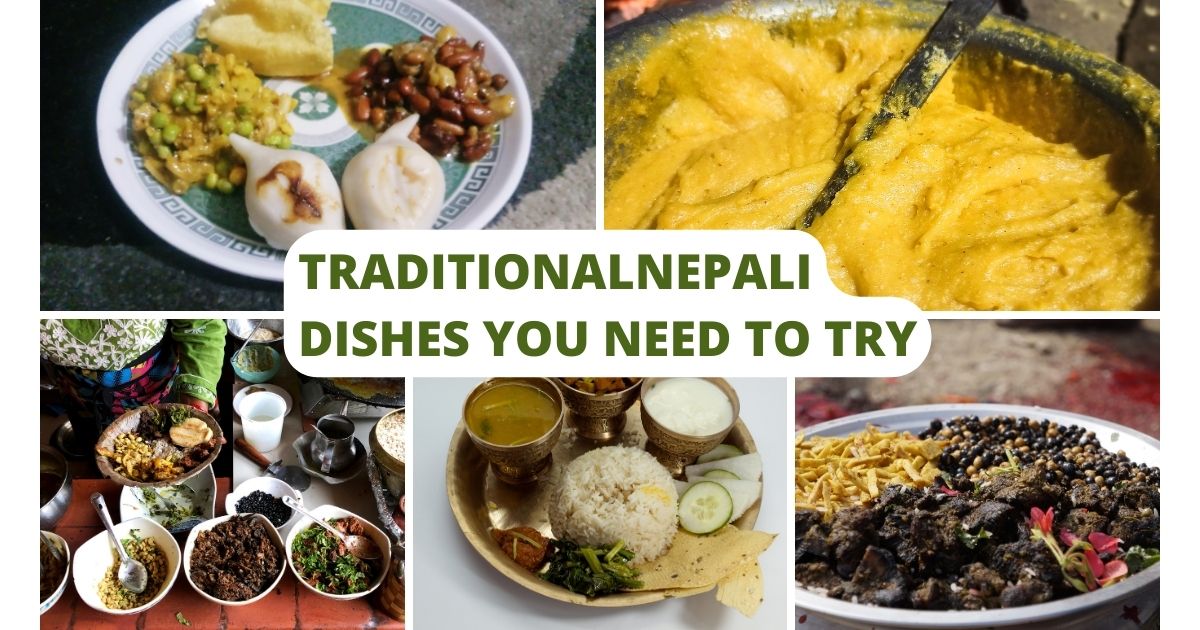
In high-altitude villages of Mustang, Dolpo, and Manang, mornings begin with freshly made buckwheat pancakes or noodles, often paired with local cheese or butter tea. Unlike restaurant fare, these dishes:
- Are handmade from grains grown just steps from the kitchen
- Reflect generations of knowledge about nutrition for harsh mountain conditions
- Are often cooked over open fires, lending a smoky, earthy flavor
Insider Tip: Watching local families prepare breakfast is as much a cultural experience as tasting it.
2. Fermented Flavors: Yak and Chauri Dairy
Dairy is a cornerstone of highland diets. Remote villages craft fermented milk, yogurt, and hard cheeses that you won’t find anywhere else:
- Chhurpi, the long-lasting chewy cheese, often used as a snack or cooked in stews
- Homemade butter tea, flavored with salt or herbs, energizes trekkers for the day ahead
- Unique fermentation techniques impart flavors that are impossible to replicate outside the mountains
Insider Tip: Always try a small tasting portion—the flavor varies from village to village.
3. Wild Herbs and Foraged Ingredients
In Nepal’s hills and forests, locals supplement cultivated food with wild herbs, mushrooms, and mountain greens. Dishes made with:
- Nettles, wild garlic, and wild spinach
- Himalayan berries and edible flowers
- Freshly foraged mushrooms roasted or stewed
These ingredients give meals a distinct seasonal character, connecting each dish to the local landscape and calendar.
4. Festival Flavors That Don’t Reach the Cities
Remote villages maintain special foods tied to festivals and rituals. During celebrations, travelers may encounter:
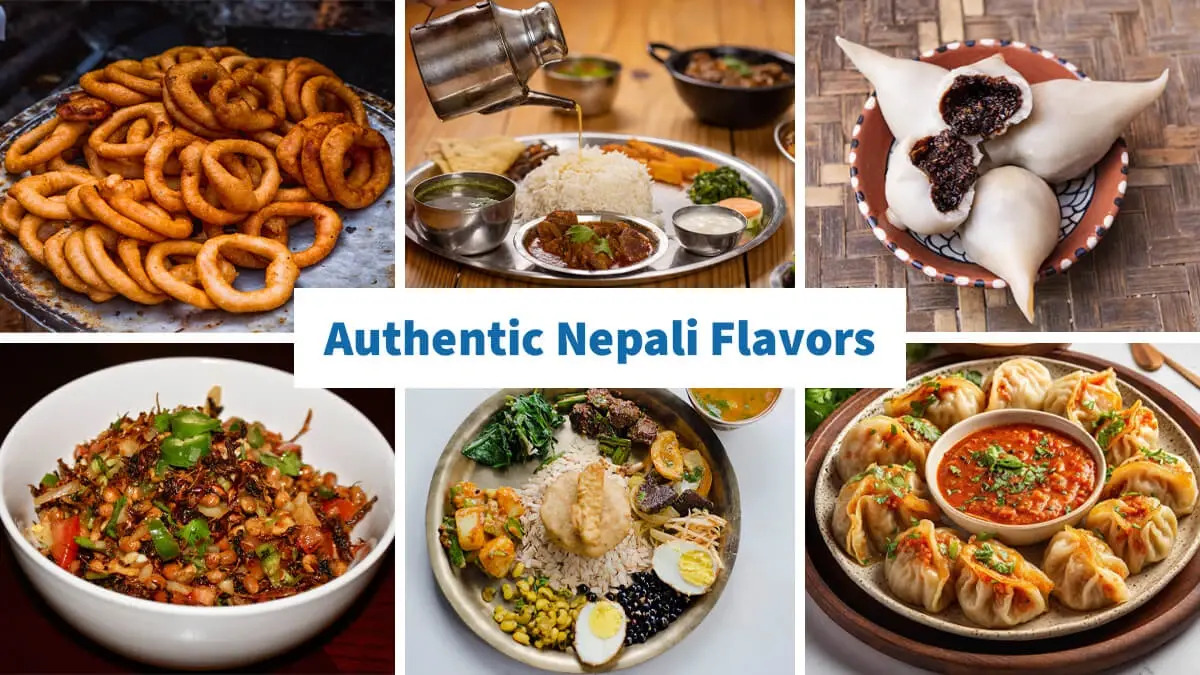
- Yomari, sweet dumplings filled with molasses, shaped like little pouches
- Sel roti, a fried rice flour delicacy often prepared during Tihar
- Barley or millet cakes unique to specific valleys
These foods are rarely seen in urban areas, making the timing of your visit just as important as the destination.
5. Why These Culinary Trails Are Special
- They offer hands-on cultural immersion, not just a meal
- Each dish tells a story about tradition, survival, and geography
- They provide authentic, fresh flavors untouched by modern commercial cooking
- Travelers support rural communities while discovering hidden heritage
Tips for Following Hidden Culinary Trails
- Walk with locals or hire guides familiar with village life
- Be open to new textures and flavors—some may be surprising
- Respect food customs, mealtime etiquette, and seasonal availability
- Capture recipes and stories—you’re witnessing living heritage
Conclusion
Nepal’s hidden culinary trails are not just about food—they’re journeys into culture, history, and daily village life. From mountain pancakes and fermented yak cheese to wild herbs and festival sweets, each meal is a story waiting to be tasted.
For travelers seeking adventure beyond sightseeing, these hidden flavors offer a sensory passport into Nepal’s most remote and authentic corners.
