
Hidden Science of the Himalayas: How Your Body Adapts on the Way to Everest Base Camp
Trekking to Everest Base Camp (EBC) is more than just an adventure, it's a biological experiment in real-time. Each step upward challenges your body to adapt to high altitude, thin air, and extreme conditions. Understanding this hidden science makes the journey safer, more enjoyable, and deeply rewarding.
Breathing Thin Air: Your Lungs in Action
At sea level, oxygen is abundant. But as you ascend above 3,000 meters, the air pressure drops, reducing oxygen availability. Your body responds almost immediately:
- Increased breathing rate – Your lungs inhale faster to compensate for lower oxygen levels.
- Higher heart rate – Your heart pumps more blood to deliver oxygen efficiently.
- Hemoglobin surge – Over days, your body produces more red blood cells, improving oxygen transport.
This natural adaptation is why pacing yourself on the trail is crucial. Ascending too quickly can trigger Acute Mountain Sickness (AMS), causing headaches, nausea, or dizziness.
Muscles and Metabolism: Fueling the Climb
At high altitudes, your body’s metabolism changes to meet energy demands:
- Muscles use oxygen more efficiently, relying more on carbohydrate metabolism for quick energy.
- You may notice an increased appetite. Your body is burning more calories, often 4,000–5,000 per day on a trek to EBC.
- Muscle fatigue sets in faster, which is why trekking poles, proper footwear, and rest days are essential.
Staying hydrated and consuming balanced meals from teahouses along the trail keeps your body fueled and prevents altitude-related complications.
Brain Function: Think Before You Climb
Hypoxia (low oxygen) affects the brain as well:
- Short-term memory, reaction time, and decision-making can be slightly impaired.
- Mental resilience becomes as important as physical fitness. Meditation, light exercise, and proper acclimatization improve alertness.
Many trekkers report a unique clarity of mind at high altitudes your brain adjusts, but it demands respect and caution.
Immune System & Sleep: Adjusting to the Cold
The cold Himalayan environment and physical exertion challenge your immune system:
- Your body produces more stress hormones, temporarily suppressing immunity.
- Sleep quality may decline due to altitude; using earplugs, eye masks, and sleeping aids like melatonin can help.
- Adaptation is gradual: the longer you stay at moderate altitudes before ascending, the better your body adjusts.
Acclimatization: Science Meets Adventure
The key to safe and enjoyable trekking is gradual acclimatization:
- Follow the rule: “Climb high, sleep low.”
- Include rest days at Namche Bazaar, Dingboche, or other key villages.
- Monitor your body: headaches, nausea, or fatigue are signs to slow down or descend.
Your body’s ability to adapt is both remarkable and delicate. Each step towards Everest Base Camp is a collaboration between human physiology and Himalayan environment.
Beyond Survival: Thriving at Altitude
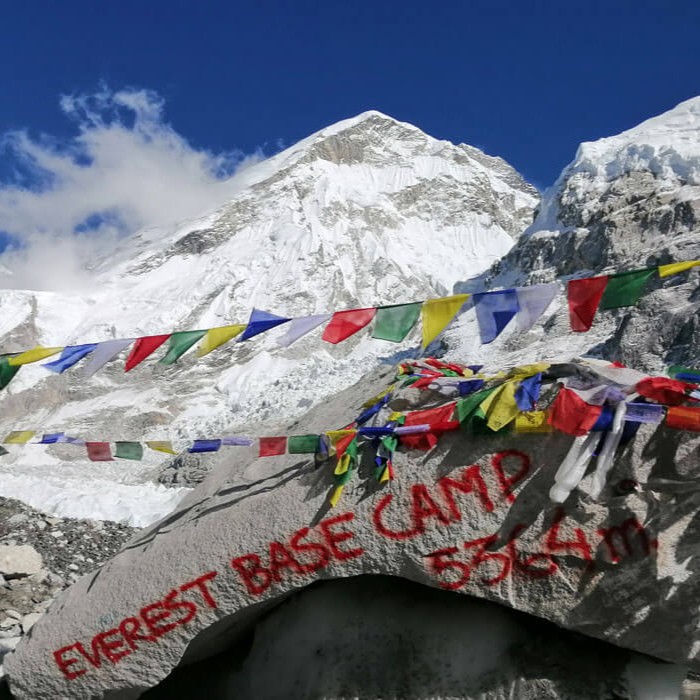
By the time you reach Everest Base Camp at 5,364 meters, your body has:
- Increased red blood cell count for oxygen efficiency.
- Adapted muscles and metabolism for endurance.
- Strengthened mental resilience and focus.
The hidden science of the Himalayas isn’t just about survival, it's about unlocking your true physical and mental potential in one of the world’s most extreme environments.
