
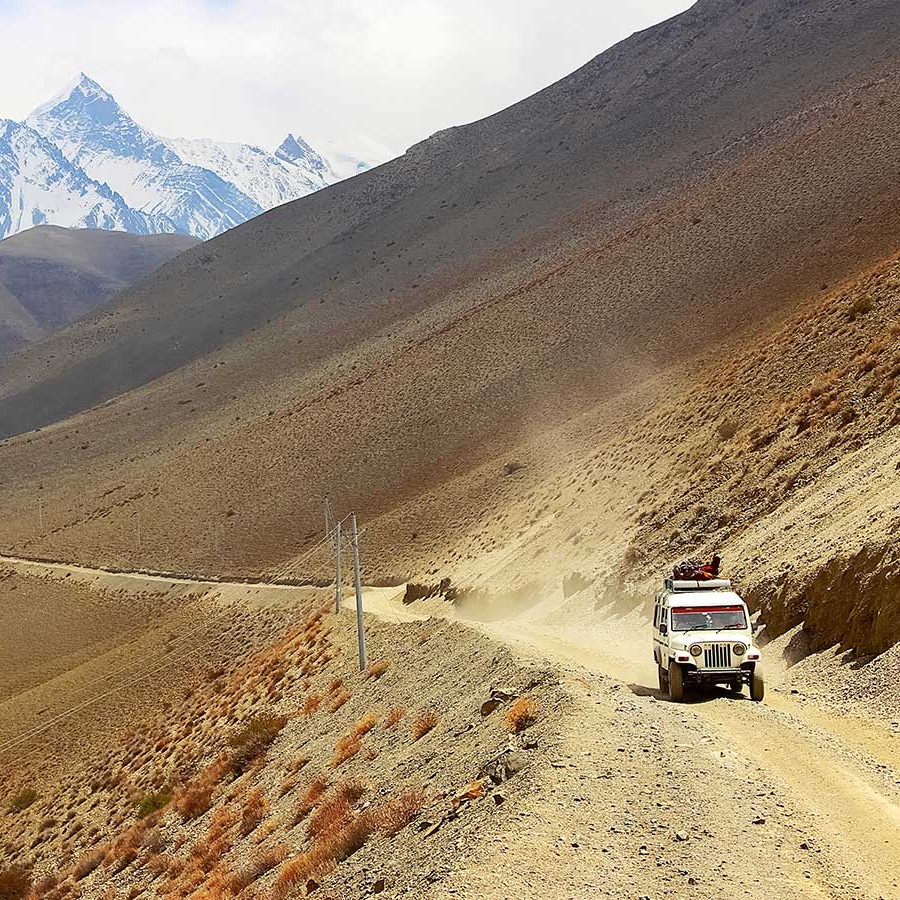
Himalayan Jeep Safari in Nepal: A Definitive Guide
A Himalayan Jeep Safari in Nepal offers a powerful mix of rugged adventure, cultural discovery, and remote landscapes all accessible via 4x4 vehicles. Unlike trekking, a jeep safari allows you to cover remote regions quickly, reach offbeat villages, and enjoy breathtaking Himalayan panoramas without hiking long distances.
Why Do Jeep Safari in the Himalayas?
- Access to Remote Regions: Jeep safaris take you to remote areas like Upper Mustang, Muktinath, and Tibetan-influenced valleys, which are difficult or time-consuming to trek.
- Comfort + Adventure: Combines off-road thrills with the comfort of staying in lodges rather than camping every night.
- Cultural Immersion: You pass through villages, monasteries, and landscapes that many trekkers miss.
- Faster Itinerary: You can explore a large area in fewer days compared to trekking. For instance, a 7-day jeep safari in Mustang is feasible.
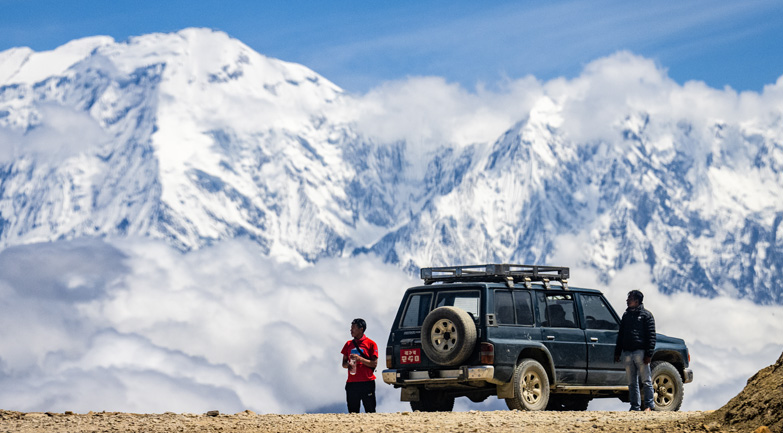
- Spectacular Views: From your vehicle, you can enjoy panoramic Himalayan vistas, deep river gorges (like Kali Gandaki), and traditional villages.
Key Jeep Safari Routes in Nepal
Here are some of the most popular and rewarding jeep safari routes:
Upper Mustang (Mustang Jeep Safari)
- Route: Typically begins from Beni (after driving from Pokhara) or from Jomsom.
- Highlights: Remote landscapes, ancient Tibetan-style villages, monasteries, and the “Forbidden Kingdom.”
- Cost: Budget starts at around USD 2,950 for a 7-day tour via Himalaya Journeys.
- Permits: Restricted Area Permit (RAP) required.
- Typical Duration: Around 7 days for most “Mustang overland” packages.
Muktinath via Mustang / Annapurna Circuit
- Many jeep safaris combine Mustang and the pilgrimage site of Muktinath.
- The scenic drive offers gorgeous river gorges, ancient monasteries, and high-altitude villages.
- Tour cost for a luxury 4WD tour (Mustang + Muktinath) can go up to USD ~4,250 per person via Himalaya Journeys.
Extended Overland Safaris
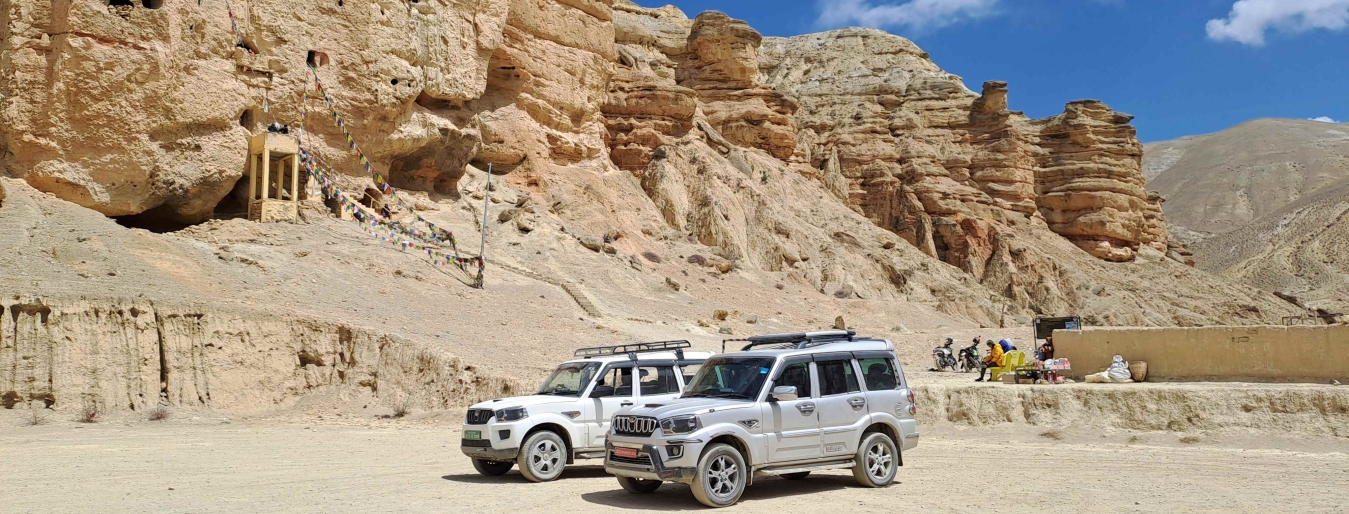
- Some 4WD tours go deeper into Tibetan-influenced regions, combining jeep travel with short walks or trekking portions.
- These are ideal for travelers who want to minimize walking but still explore offbeat Himalayan terrain.
Best Time to Go for a Jeep Safari
- Spring (March–May): Clear skies, blooming rhododendrons, good road conditions.
- Autumn (September–November): Stable weather, spectacular mountain views, less rain.
- Winter: Possible but roads can be tricky due to snow and cold; some passes may be closed.
- Avoid Monsoon: June–August brings heavy rain, landslide risk, and difficult 4x4 driving.
Safety, Permits & Logistics
- Restricted Area Permit (RAP): For regions like Upper Mustang, you need RAP.
- Driver & Vehicle: Use reliable, experienced drivers who know off-road Himalayan routes.
- Accommodation: Lodges and tea houses are available on many jeep safari routes.
- Health & Altitude: Explain to your operator that you're visiting high-altitude areas; plan for acclimatization if needed.
- Fuel & Supplies: Some remote legs may have limited fuel stations — operators usually carry extra fuel.
- Gear: Bring warm layers, good walking shoes, sunglasses, and a camera/GPS for stops.
Pros & Challenges
Pros:
- Faster than trekking
- Good for travelers who don’t want to hike long distances
- Access to remote, culturally rich regions
- Comfortable lodging + local experiences
Challenges:
- Bumpy, sometimes risky roads
- High fuel cost and potentially high tour cost
- Limited flexibility compared to self-guided treks
- Less “silent mountain” experience than trekking
Why Jeep Safari Deserves a Spot on Your Himalayan Bucket List
A jeep safari offers access, comfort, and adventure in one package. It’s especially ideal for travelers who:
- want to explore remote Himalayan regions but cannot commit to a long trek.
- Are interested in cultural and historical sites (like Mustang) without sleeping in tents.
- Prefer a faster itinerary with scenic drives rather than hiking all the way.
- Want to see high Himalayan landscapes, ancient villages, and remote monasteries in style.
