
Himlung Himal Expedition (7,126m): The Safest 7000m Climb in Nepal
Introduction: A Hidden Giant of the Himalayas
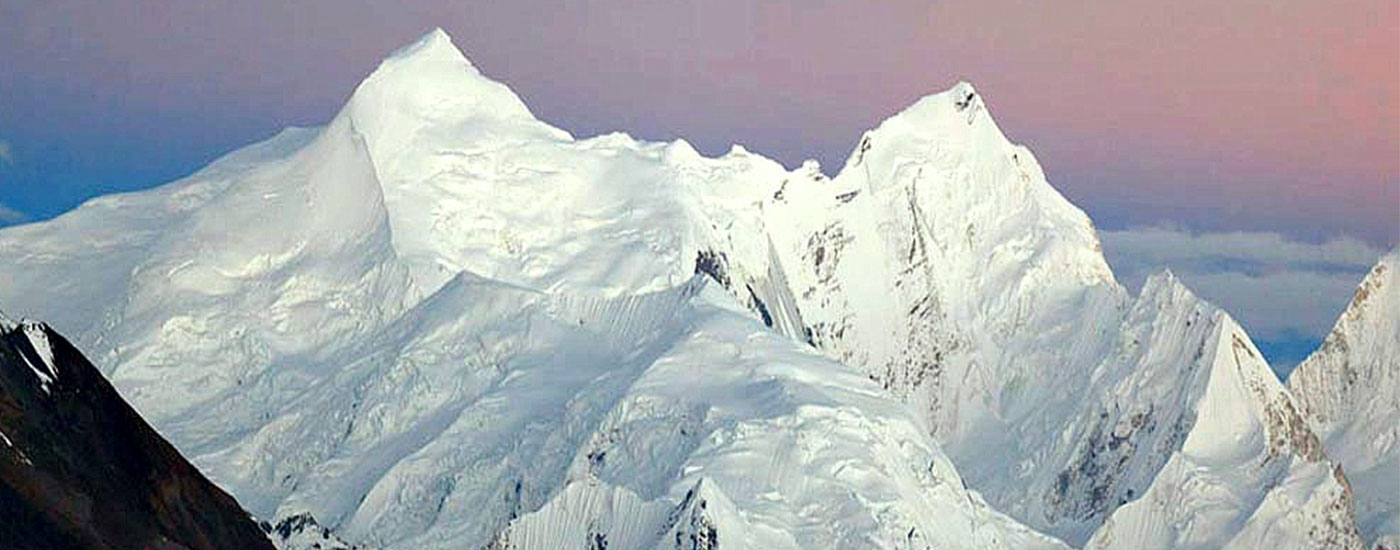
Rising to an impressive 7,126 meters, Himlung Himal stands as one of the most beautiful and accessible 7000-meter peaks in Nepal. Tucked away in the remote Nar–Phu Valley, close to the Tibetan border, this elegant pyramid-shaped mountain is a climber’s dream offering high success rates, minimal technical difficulty, and breathtaking Himalayan panoramas.
Part of the same Himalayan belt as Manaslu (8,163m) and the Annapurna massif, Himlung is perfect for mountaineers aspiring to step beyond 6,000m climbs and prepare for future 8,000m expeditions. Despite being considered “less technical,” the mountain demands physical endurance, acclimatization, and alpine discipline making it a true Himalayan expedition in every sense.
A Journey Through the Mystical Nar–Phu Valley
The adventure begins with a scenic drive from Kathmandu to Bhulbhule and follows a section of the Annapurna Circuit trail. From Koto (2,670m), the route diverges toward the ancient Tibetan-influenced villages of Nar and Phu, hidden deep within canyons and rocky gorges.
The Nar–Phu Valley remains one of Nepal’s least visited and most authentic Himalayan regions characterized by stone-built monasteries, centuries-old chortens, yak pastures, and Tibetan prayer flags fluttering in the mountain wind. The trek itself is a cultural and visual delight, blending rugged mountain wilderness with the warm hospitality of highland villagers.
Base Camp and High Camp Setup
The Himlung Base Camp (4,900m) is established above Phu Gaon (4,250m), surrounded by sweeping glaciers and icy ridgelines. It serves as a strategic hub for acclimatization and climbing preparations.
From here, three higher camps are positioned for summit strategy:
- Camp I – 5,450m: Set on gentle snow slopes, providing the first acclimatization stage.
- Camp II – 6,000m: Positioned on a broad plateau with grand views of Gyaji Khang, Ratna Chuli, and Nemjung.
- Camp III – 6,350m: The final high camp before the summit push, reached through steep and icy terrain.
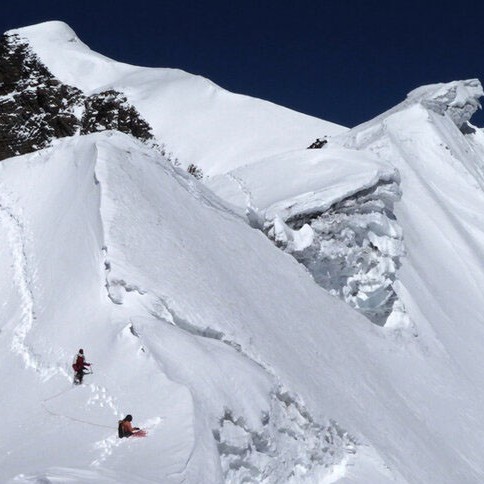
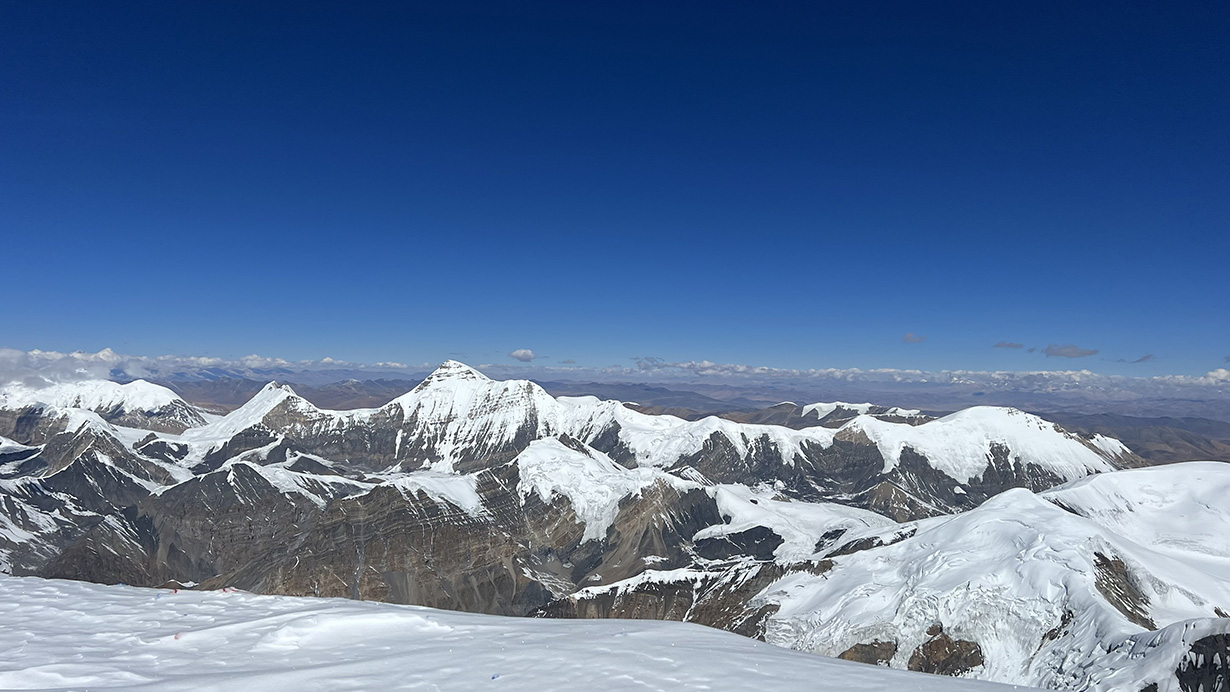
The final section to the summit includes a moderate 40–45° snow slope, often requiring fixed ropes and the use of crampons and ice axes. The summit ridge itself is broad and panoramic revealing Manaslu, Annapurna II, and the endless horizon of the Tibetan Plateau.
The Safer Route – A Modern Climber’s Advantage
In 2013, Swiss alpinist Kari Kobler pioneered a safer and more efficient route up Himlung, ascending the south flank of the northwest ridge. This route avoids most objective dangers like rockfall or avalanche exposure, making Himlung Himal one of the safest 7000m peaks in Nepal, a rare distinction in high-altitude mountaineering.
The new line also shortens the overall climbing distance, providing a better acclimatization pattern while ensuring safety during ascent and descent.
Historical and Cultural Significance
Himlung Himal was officially opened to climbers in 1992 and was first summited by a Japanese expedition the same year. Since then, it has gained a reputation for reliability, safety, and success with nearly a thousand successful ascents recorded in recent decades.
Beyond the climb itself, the journey through Manang and Phu Valley immerses you in the living heritage of Tibetan Buddhism where every mani wall, prayer wheel, and monastery tells stories of resilience and faith amidst the high Himalayas.
Why Choose Himlung Himal Expedition
- High Success Rate: Among the highest summit success of all 7000m peaks in Nepal.
- Perfect Training Peak: Ideal preparation for 8,000m climbs like Manaslu or Cho Oyu.
- Panoramic Views: Annapurna, Manaslu, Nemjung, Ratna Chuli, and the Tibetan plateau.
- Cultural Depth: Authentic encounters in the ancient Tibetan villages of Nar and Phu.
- Safer Route: Minimal objective danger with Kari Kobler’s established northwest flank route.
Physical Fitness and Experience
While Himlung Himal is graded as less technical, climbers must possess strong aerobic fitness, high-altitude experience, and familiarity with ice climbing techniques. The expedition involves long days of steady climbing at high elevation, carrying moderate loads, and working as part of a coordinated rope team.
Mountain Tiger Nepal ensures small group ratios and expert Sherpa support allowing sufficient time for rest, practice climbs, and weather contingencies.
Best Season for Himlung Himal Expedition
- Spring (April–May): Stable weather, warmer conditions, and good snow quality.
- Autumn (September–November): Crystal-clear skies and reliable summit windows.
These periods offer the best combination of visibility, safety, and comfort for climbers.
Permits and Regulations
Himlung Himal lies within the Manaslu Conservation Area and the restricted Nar–Phu region, requiring special climbing and trekking permits.
All permits, logistics, and liaison coordination are efficiently handled by Mountain Tiger Nepal, ensuring compliance and a seamless expedition experience.
A True Himalayan Experience
The Himlung Himal Expedition combines a classic 7000m climb, deep cultural immersion, and remote Himalayan beauty. Every step from the trek through the barren Phu Valley to standing on the snow-crowned summit is a celebration of courage and serenity.
It’s more than a mountain; it’s a passage into the untouched soul of the Himalaya.
