
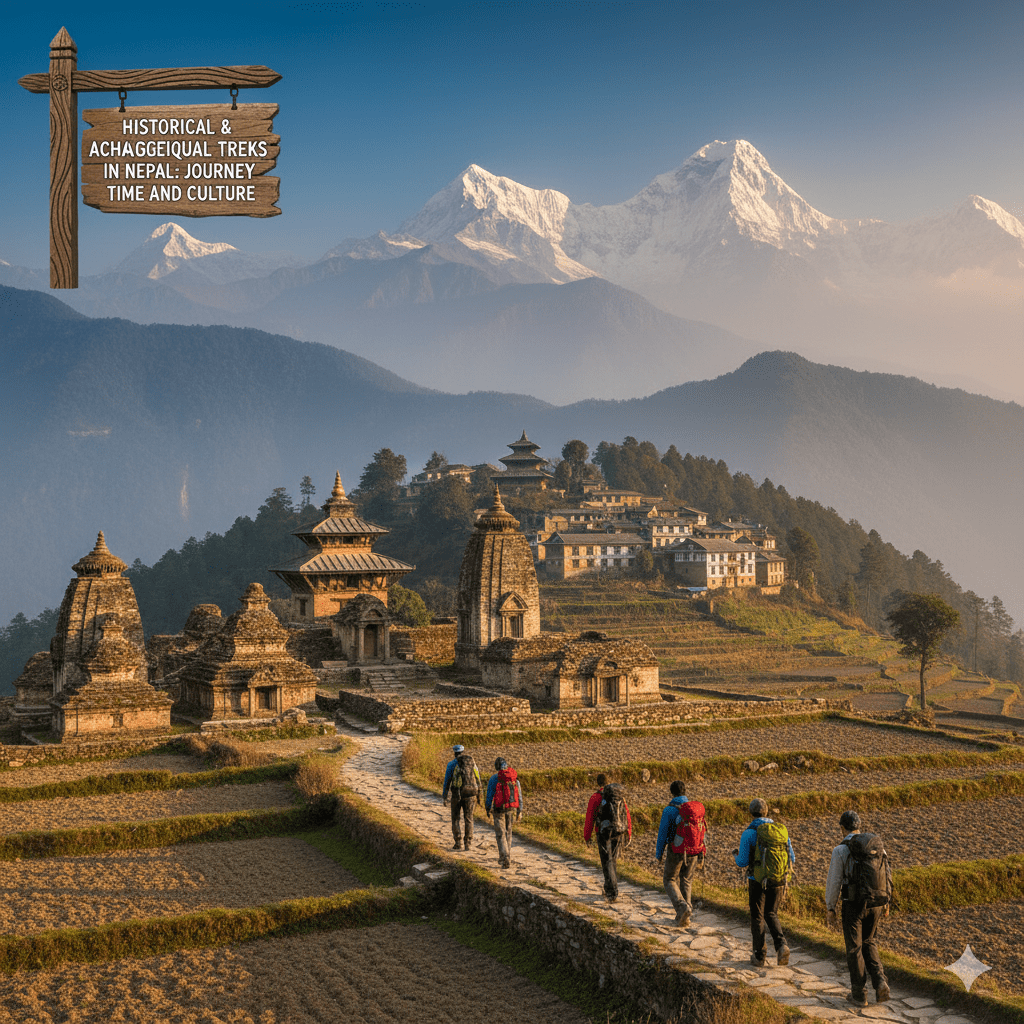
Historical & Archaeological Treks in Nepal: Journey Through Time and Culture
Nepal is widely celebrated for its towering Himalayan peaks, pristine landscapes, and trekking adventures. Yet, beyond the mountains, it holds a rich historical and archaeological heritage waiting to be explored. From ancient monasteries perched on cliff sides to hidden caves, medieval forts, and sacred pilgrimage routes, Nepal offers trekkers a chance to traverse living history.
For travelers seeking an immersive experience that combines adventure with culture, historical and archaeological treks in Nepal provide a perfect blend of exploration, serenity, and education. These treks reveal Nepal’s legacy through the stories of its people, monasteries, and remote villages.
Why Trek Historical & Archaeological Routes in Nepal?
- Cultural Immersion: Trek through villages inhabited by centuries-old communities, and witness Buddhist, Bon, and Hindu traditions firsthand.
- Architectural Insights: Explore monasteries, fortifications, stupas, and traditional Himalayan settlements preserved across generations.
- Remote & Serene Experience: Escape the crowded trekking circuits and experience solitude in some of Nepal’s most isolated regions.
- Educational Adventure: Perfect for history enthusiasts, archaeologists, and travelers seeking meaningful, insightful journeys.
Notable Historical & Archaeological Trek Routes
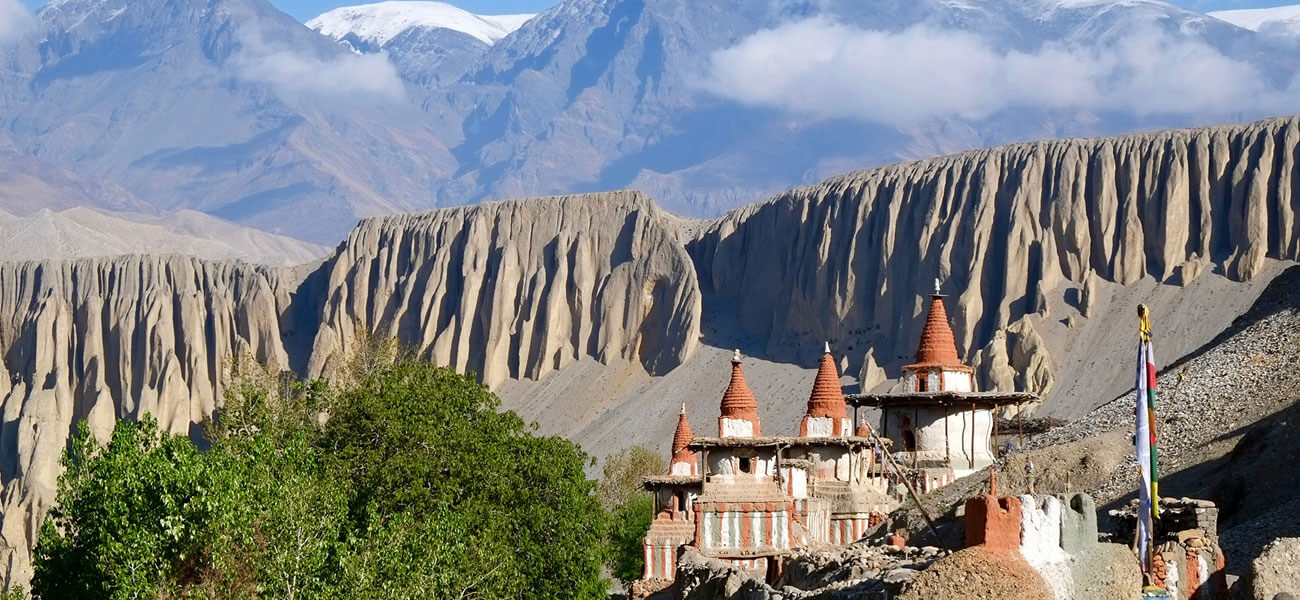
1. Upper Mustang: The Forbidden Kingdom of Lo
Upper Mustang remains one of the most culturally preserved regions in Nepal. Once a part of the ancient Tibetan kingdom, it retains its medieval charm, ancient monasteries, and hidden caves.
- Highlights: Lo Manthang fortified town, ancient cliff-side caves used by monks for meditation, Chhuksang village, and centuries-old gompas.
- Experience: Trek along historic salt trade routes, traverse arid landscapes, and encounter Tibetan Buddhist rituals.
- Trek Duration: Typically 10–14 days depending on the route (via Lo Gekar or Nar-Phu Valley).
- Best Season: Spring (March–May) and Autumn (September–November).
- Cultural Tip: Respect local monasteries, and consider hiring a local guide for storytelling about hidden caves and ancient rituals.
2. Lumbini and Surrounding Pilgrimage Trails
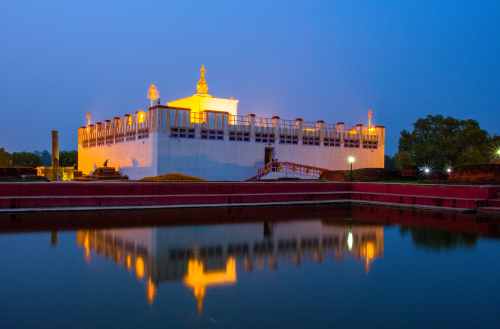
The birthplace of Lord Buddha, Lumbini offers spiritual and archaeological exploration. Beyond the main temple complex, the surrounding countryside features ancient stupas, monasteries, and historic trails that connect small villages.
- Highlights: Maya Devi Temple, Ashokan Pillar, World Peace Pagodas built by different countries, and local excavation sites.
- Experience: Trekking short routes around Lumbini allows travelers to experience meditation caves, monastery life, and rural traditions.
- Best Season: October–April for clear skies and mild weather.
- Accommodation: Lodges and guesthouses in Lumbini provide comfort with easy access to historical sites.
3. Limi Valley (Humla District)
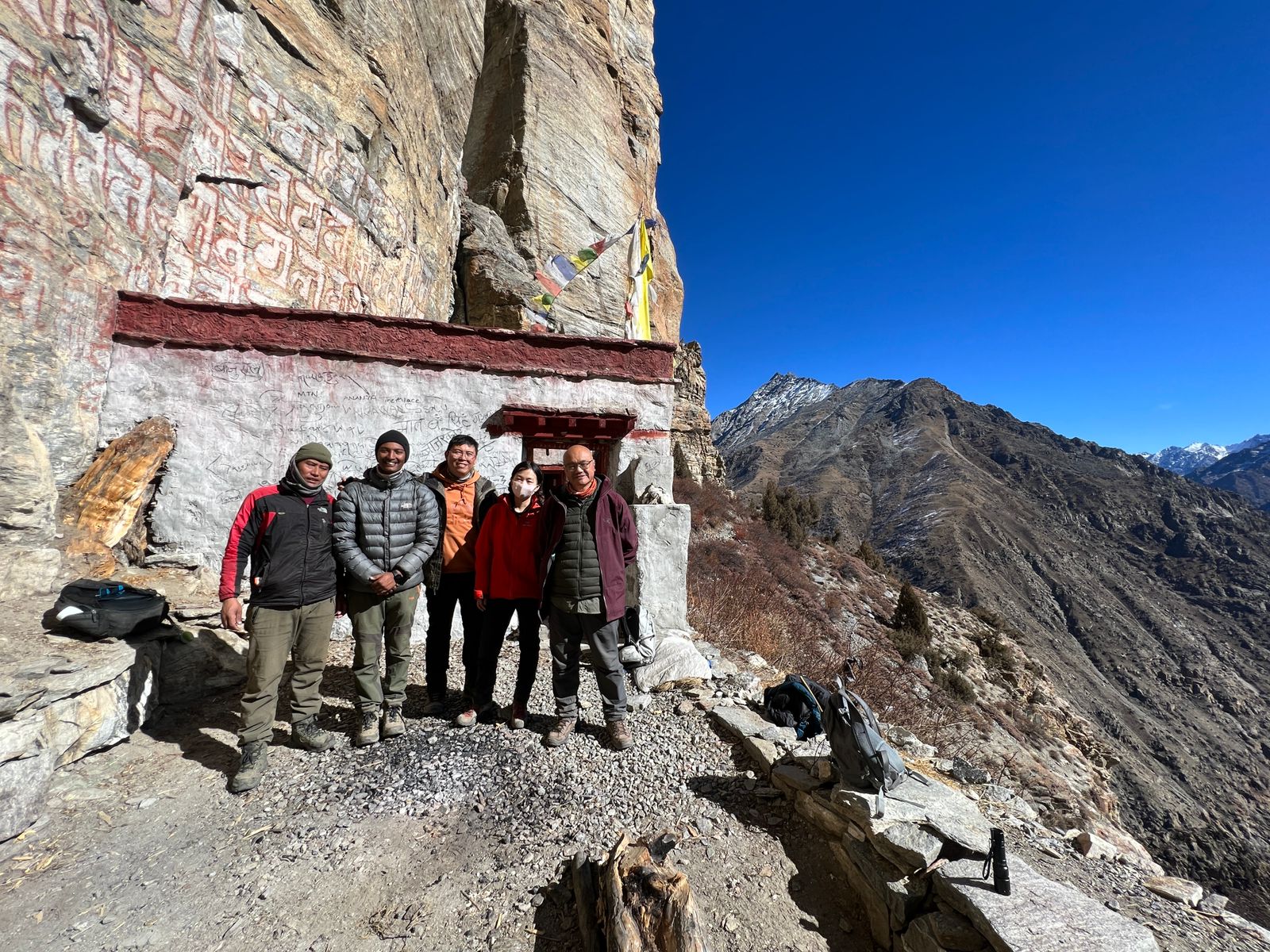
Limi Valley, located near the Tibetan border, is one of Nepal’s most remote valleys, preserving ancient Himalayan culture and historical routes.
- Highlights: Chhimi and Dzong villages, centuries-old monasteries, historic fortifications, and cliffside meditation caves.
- Experience: Trekking along old trade routes offers a glimpse into traditional Tibetan Buddhist lifestyles, remote mountain agriculture, and pristine alpine landscapes.
- Trek Duration: 12–15 days depending on entry and exit points.
- Best Season: Spring and Autumn for optimal weather and stable trekking conditions.
4. Palpa & Tansen Trails
Palpa, with its historic hill town Tansen, combines architectural heritage with scenic trekking routes.
- Highlights: Tansen Durbar (palace), medieval forts, ancient temples, and traditional Newari settlements.
- Experience: Short treks from the valley provide panoramic views of the Kali Gandaki river and surrounding terraced farmlands while exploring centuries-old streets.
- Cultural Tip: Local storytellers and guides can share the town’s history as a trade and military hub.
Tips for Historical & Archaeological Treks
- Hire Experienced Local Guides: They provide historical context, interpret architectural features, and ensure safety on remote trails.
- Respect Religious Sites: Many caves, monasteries, and stupas are active religious centers; dress modestly and follow local customs.
- Prepare for Remote Trekking: Carry trekking essentials, first-aid kits, water purification, and layers for varying weather conditions.
- Document Responsibly: Photography can be restricted in sacred sites—always seek permission.
- Acclimatize Properly: Some routes involve high-altitude passes, so include rest days to prevent altitude sickness.
Why Choose Mountain Tiger Nepal for Historical Treks?
Mountain Tiger Nepal (MTN) specializes in custom historical and archaeological trekking experiences:
- Knowledgeable local guides familiar with ancient trails and heritage sites.
- Carefully selected accommodations near monasteries, villages, and archaeological sites.
- Custom itineraries combining trekking, cultural exploration, and historical insights.
- Sustainable tourism practices that preserve heritage and support local communities.
Embark on a journey through Nepal’s living history and discover hidden monasteries, forts, and caves!
