
How Climate Change Is Transforming the Annapurna Landscape (2027)
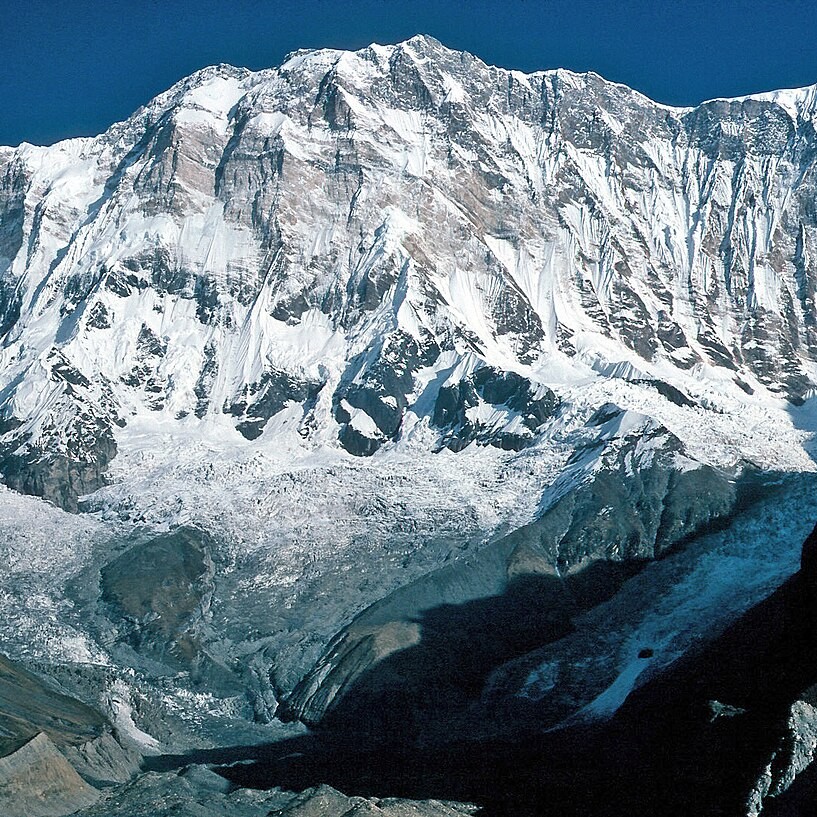
Climate change is no longer a distant threat in the Himalayas; it is a visible, measurable force reshaping one of Nepal’s most iconic regions. By 2027, the Annapurna region has become a frontline landscape where melting glaciers, unstable trekking routes, shifting ecosystems, and vulnerable mountain communities clearly reveal the accelerating impact of global warming.
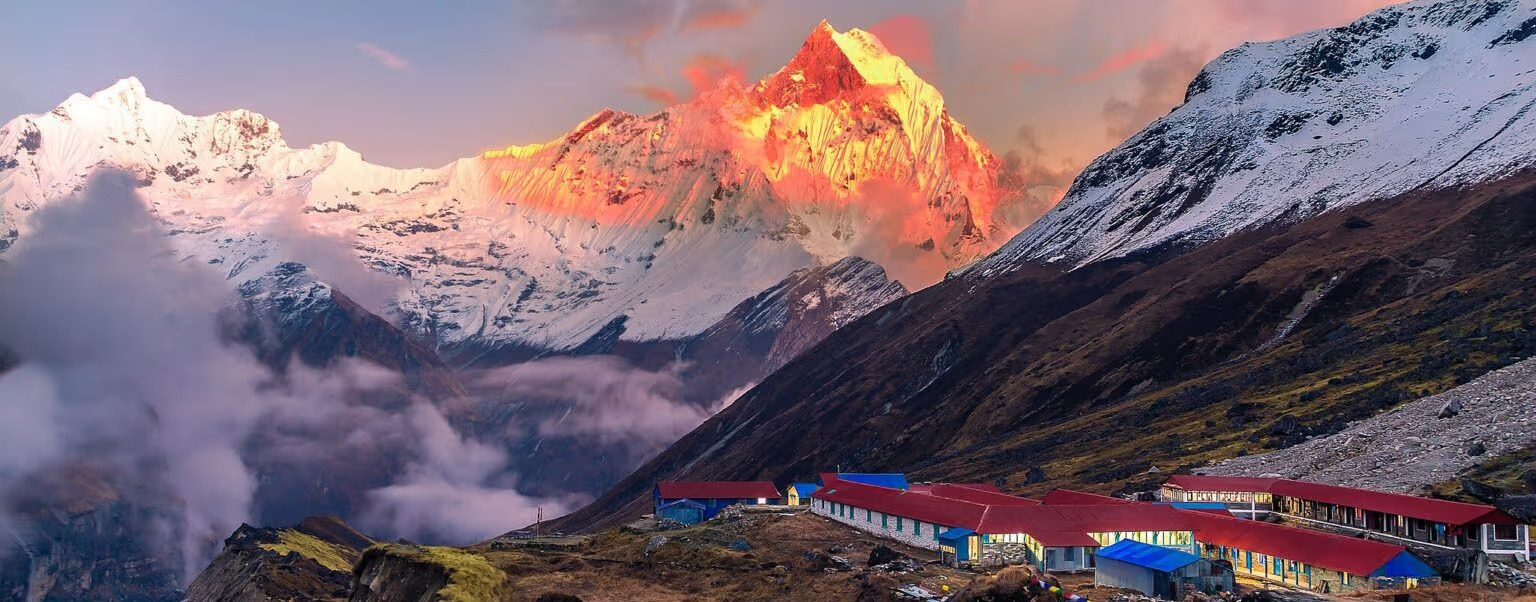
The Annapurna region, protected under the Annapurna Conservation Area, is Nepal’s largest conservation area and one of the world’s most visited high-altitude trekking destinations. It encompasses towering peaks of the Annapurna Himal, deep valleys like the Kali Gandaki Gorge, and hundreds of traditional Gurung and Thakali villages.
By 2027, this diverse landscape stands at a climatic crossroads
1. Rapid Glacier Retreat: The Vanishing Ice of Annapurna
Glaciers across the Annapurna massif are retreating at alarming rates. Rising average temperatures have accelerated ice loss, particularly around high-altitude basins feeding the Marsyangdi and Kali Gandaki river systems.
Key impacts by 2027:
- Shrinking glaciers above 5,000m
- Formation of unstable glacial lakes
- Increased risk of Glacial Lake Outburst Floods (GLOFs)
These changes directly affect downstream villages, hydropower infrastructure, and trekking safety.
2. Unpredictable Weather & Altered Trekking Seasons
Traditional trekking seasons spring and autumn have become less reliable.
Observed trends include:
- Sudden snowfall during shoulder seasons
- Intense monsoon rainfall causing landslides
- Extended dry spells affecting water availability
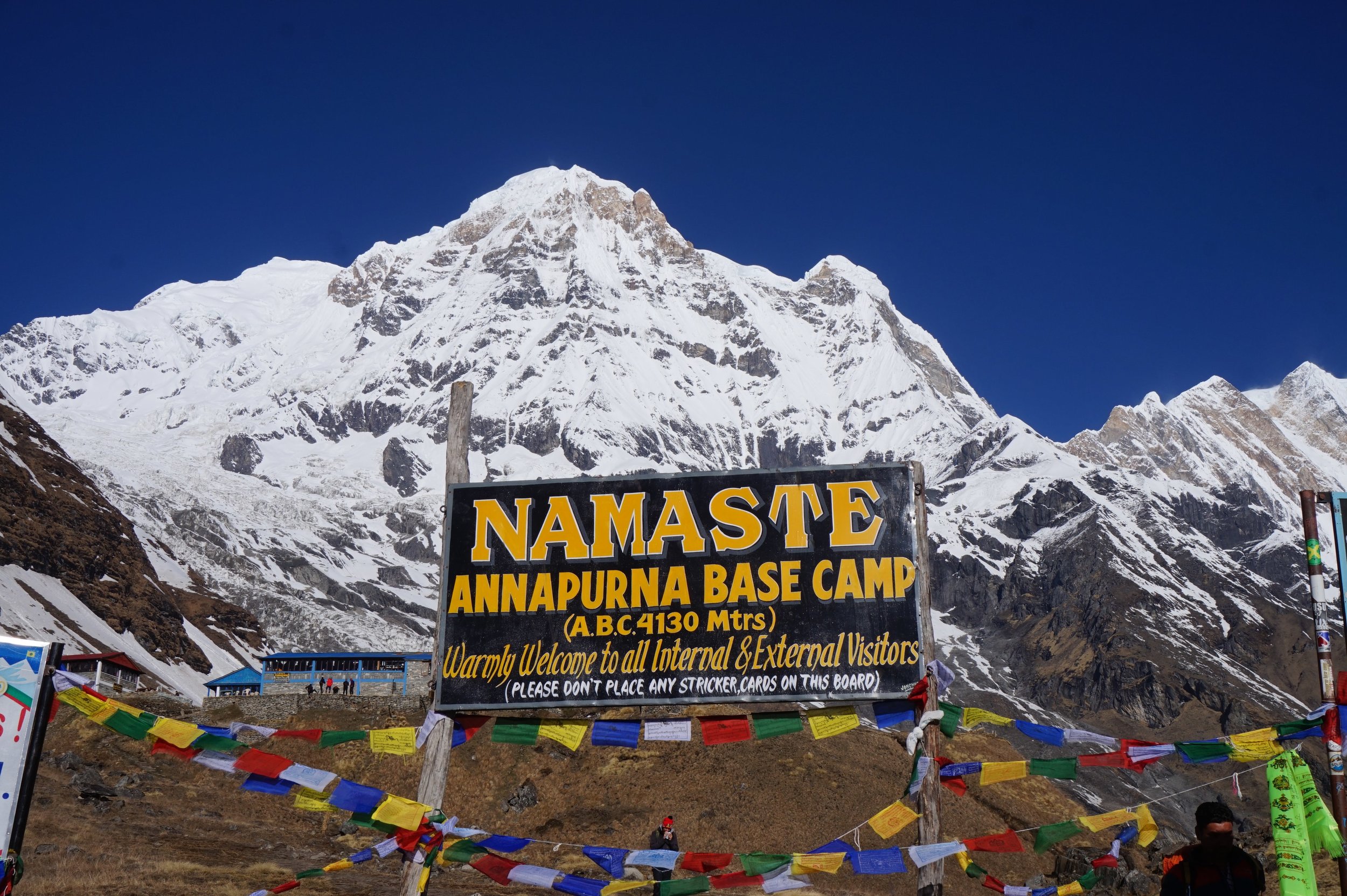
Popular routes such as Annapurna Base Camp and the Annapurna Circuit now require greater flexibility, stronger risk assessment, and experienced local guidance.
3. Trail Degradation and Infrastructure Stress
Climate-driven erosion has visibly altered trekking trails.
By 2027, trekkers encounter:
- Washed-out sections along river valleys
- Rockfall-prone slopes at higher elevations
- Frequent rerouting of classic trails
Bridges, lodges, and mountain roads require constant maintenance, increasing operational costs for local communities.
4. Shifting Biodiversity in the Annapurna Ecosystem
Warming temperatures are pushing vegetation zones upward.
Ecological transformations include:
- Rhododendron forests flowering earlier
- Alpine species migrating higher
- Increased presence of invasive plants
Wildlife such as Himalayan thar and snow leopard are being forced into narrower habitats, stressing the region’s delicate ecological balance.
5. Mountain Communities on the Climate Frontline
For local villages, climate change is not theoretical; it affects daily survival.
Community-level impacts:
- Reduced agricultural yields due to erratic rainfall
- Water scarcity from drying springs
- Youth migration as farming becomes less reliable
Despite these challenges, communities are adapting through eco-tourism, climate-resilient farming, and community-managed conservation initiatives.
6. Sustainable Tourism: The Only Way Forward
By 2027, responsible travel has shifted from a choice to a necessity.
Sustainable practices now shaping Annapurna tourism:
- Waste-free trekking initiatives
- Solar-powered lodges
- Regulated trail usage and conservation fees
- Emphasis on local guides and homestays
Trekkers increasingly seek low-impact, meaningful journeys rather than mass tourism experiences.
What This Means for Trekkers in 2027
Traveling in the Annapurna region today requires:
- Awareness of climate risks
- Flexible itineraries
- Ethical travel choices
- Support for conservation-driven operators
Those who trek responsibly not only experience the Himalayas more deeply but also help preserve them.
Conclusion: Annapurna at a Turning Point
By 2027, climate change has irrevocably transformed the Annapurna landscape. Glaciers retreat, trails evolve, ecosystems shift, and communities adapt all within a region that remains profoundly beautiful and spiritually powerful.
The future of Annapurna depends on global climate action and responsible tourism today. For travelers, understanding these changes is the first step toward becoming part of the solution rather than the problem.
