
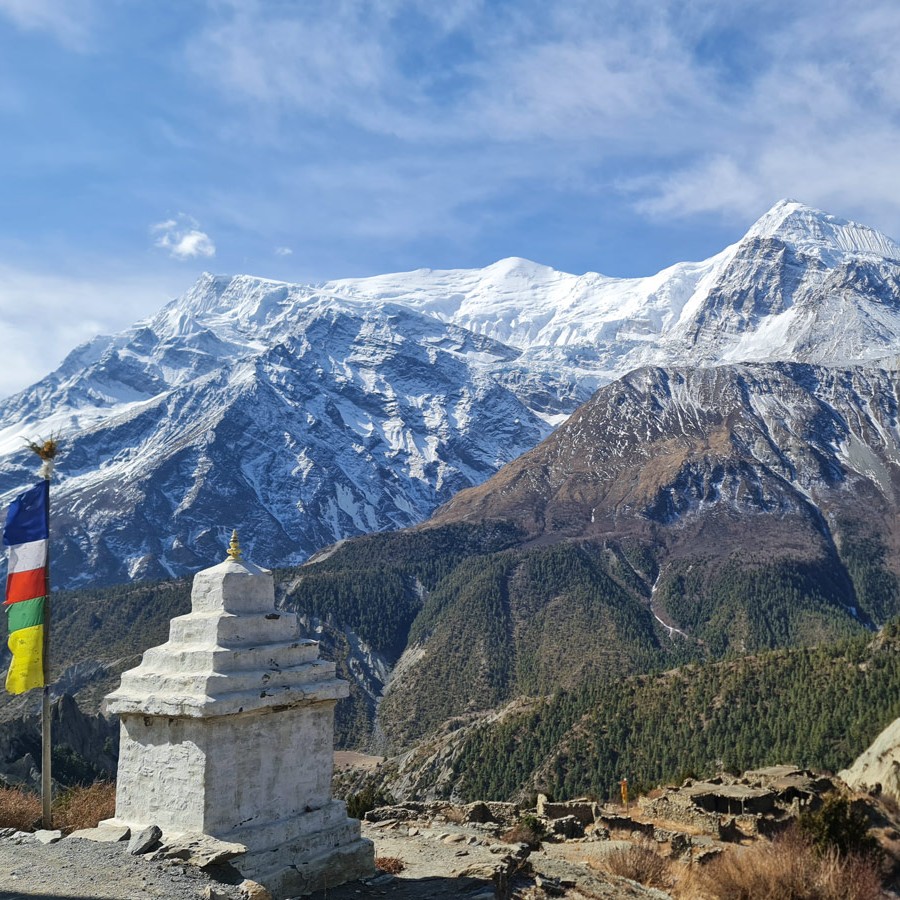
How I Trekked the Annapurna Circuit for $25 a Day (Budget Tips)
The Annapurna Circuit has a reputation for being long, challenging and expensive. Yet with smart choices, local habits, and disciplined budgeting, it’s entirely possible to complete this legendary trek for around $25 a day, without cutting corners on safety or experience.
Here’s exactly how it can be done
First, the Reality Check
A $25/day Annapurna Circuit trek is:
- Independent
- Simple, not luxurious
- Based on teahouses
- Focused on efficiency
It is not about suffering, it's about understanding how trekking economies work in Nepal.
Daily Budget Breakdown (Realistic Average)
This works best during shoulder seasons (March–April, late Sept–Nov), when prices are stable but crowds are manageable.
Accommodation: Sleep Cheap, Eat Smart
On the Annapurna Circuit, rooms are cheap because food pays the bills.
Key rule:
Eat dinner and breakfast where you sleep.
Most teahouses offer rooms for free or $2–3 if you eat there. Asking politely and staying loyal to one lodge per night saves money and builds goodwill.
Avoid hopping lodges just to chase a $1 difference it backfires in food costs.
Food Strategy: Dal Bhat Is Your Best Friend
If you remember only one thing, remember this:
Dal Bhat = unlimited refills
For $4–6, you get:
- Rice
- Lentils
- Vegetables
- Sometimes pickle or curry
It’s filling, nutritious, and designed for trekkers burning calories all day. Two Dal Bhats plus a light breakfast can cover most days.
Avoid:
- Pizza, burgers, pasta (priced for tourists)
- Excessive desserts
- Imported snacks
Water: Never Buy Bottled
Buying bottled water daily will destroy your budget and harm the environment.
Instead:
- Carry a reusable bottle
- Use purification tablets or a filter
- Refill from teahouse taps or boiled water stations
Daily water cost drops from $3–5 to almost zero.
Skip the Extras That Add Up
Small charges quietly kill budgets at altitude.
Avoid or limit:
- Hot showers every night
- Paid charging (use power banks)
- Expensive Wi-Fi packages
- Alcohol (especially above Manang)
One beer at altitude can equal an entire night’s accommodation.
Timing Is Everything
To keep costs low:
- Start early (February–early March or late November)
- Avoid peak October crowds
- Cross Thorong La Pass only with stable weather windows
During peak season, prices creep up and bargaining power drops.
Transportation Hacks
Instead of flights or private jeeps:
- Use local buses to reach the trailhead
- Walk extra sections where roads exist
- Exit via local transport after Muktinath
The trek is longer but your wallet stays intact.
Do You Really Need a Guide?
Legally, rules change but practically:
- The Annapurna Circuit is well-marked
- Villages are frequent
- Information flows fast among trekkers
If you have:
- Prior trekking experience
- Good maps or offline GPS
- Weather awareness
You can trek independently and save $25–35 per day.
If not, a guide is still worth the cost safety always comes first.
The Mental Game of Budget Trekking
Budget trekking isn’t about deprivation, it's about discipline.
You learn to:
- Eat what fuels you, not what tempts you
- Walk farther to save transport costs
- Choose experience over comfort
And in return, you gain something rare: time, simplicity, and authenticity.
Final Verdict: Is $25/Day Really Possible?
Yes, with the right mindset.
The Annapurna Circuit rewards those who move slowly, spend locally, and respect the rhythm of mountain life. You don’t need luxury lodges or imported food to experience one of the world’s greatest treks.
Sometimes, the cheapest way is also the richest way to travel.
