

How Modern Aviation Has Made Multi-Country Himalayan Travel Easier Than Ever
The Himalayas have always been a symbol of adventure, spirituality, and sheer natural grandeur. From the snow-capped peaks of Everest to the lush valleys of Bhutan and the cultural heart of Tibet, these regions offer some of the most breathtaking experiences on Earth. Yet, traveling across multiple Himalayan countries, once a logistical nightmare requiring weeks of arduous trekking or long road journeys is now simpler and more accessible thanks to modern aviation.
Whether you are a seasoned trekker, a cultural explorer, or a luxury traveler, today’s flights, airports, and tour packages have transformed Himalayan travel into an adventure that is thrilling, convenient, and safe.

The Evolution of Himalayan Air Travel
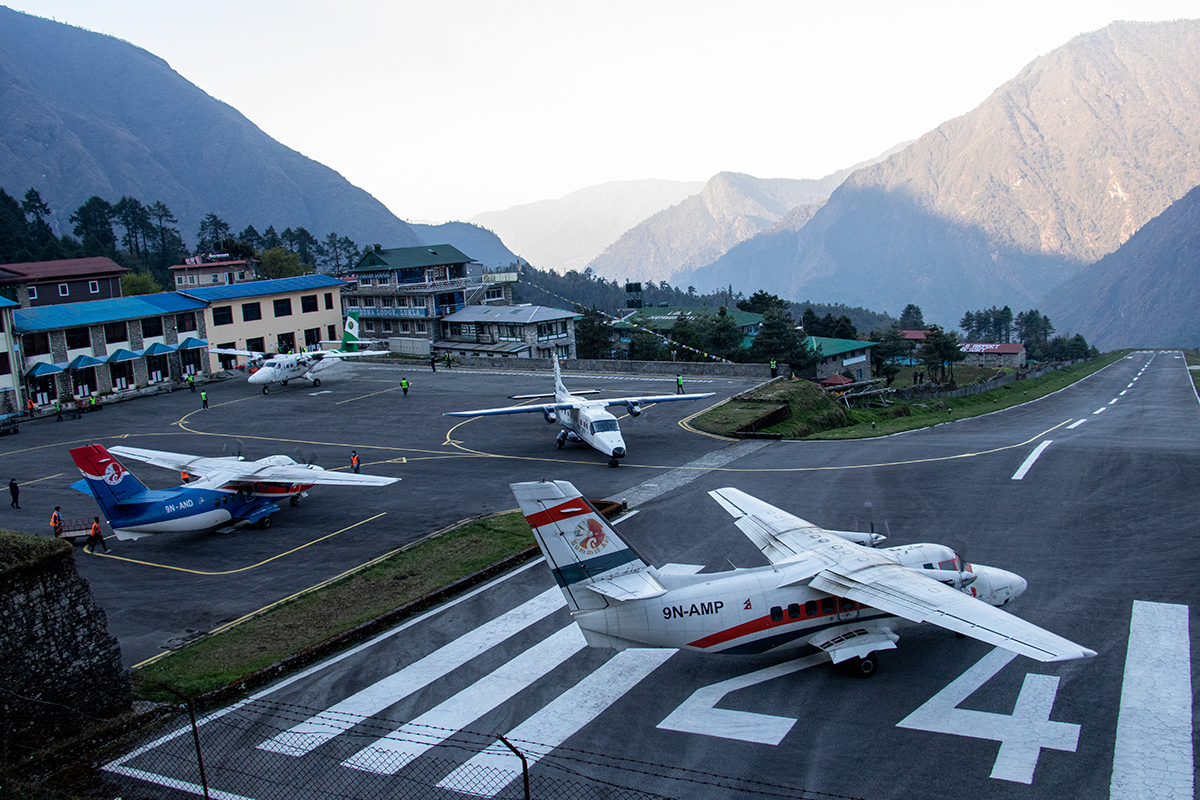
In the past, reaching high-altitude destinations like Lukla, Paro, or Simikot meant days of trekking through rugged terrain or enduring bumpy jeep rides over treacherous mountain roads. The lack of reliable infrastructure, unpredictable weather, and difficult terrain made multi-country Himalayan travel daunting for even the most experienced adventurers.
Today, modern aviation has changed everything:
- Mountain Airports: High-altitude airports like Lukla (Nepal), Paro (Bhutan),and Lhasa (Tibet, China) now allow travelers to reach remote regions in a matter of hours.
- Advanced Aircraft Technology: Modern aircraft are designed for short, rugged runways, thin air, and steep approaches, making flights safer than ever.
- Increased Connectivity: Regular domestic and international flights now link Kathmandu, Pokhara, Paro, Lhasa, and even lesser-known destinations like Simikot and Dolpo, reducing travel time dramatically.
Why Multi-Country Himalayan Travel Is Easier Than Ever
- Seamless Cross-Border Access
Modern aviation allows travelers to explore multiple Himalayan countries in a single trip. For example:- Fly from Kathmandu to Paro for Bhutan’s cultural treasures.
- Continue to Lhasa to experience Tibet’s spiritual landmarks.
- Return via Nepal or even regional hubs like Delhi without spending weeks on land journeys.
-Time-Efficient Adventure
Where road travel once took days or even weeks, flights now cover the same distances in hours, allowing more time for trekking, sightseeing, and cultural immersion.
-Enhanced Safety and Comfort
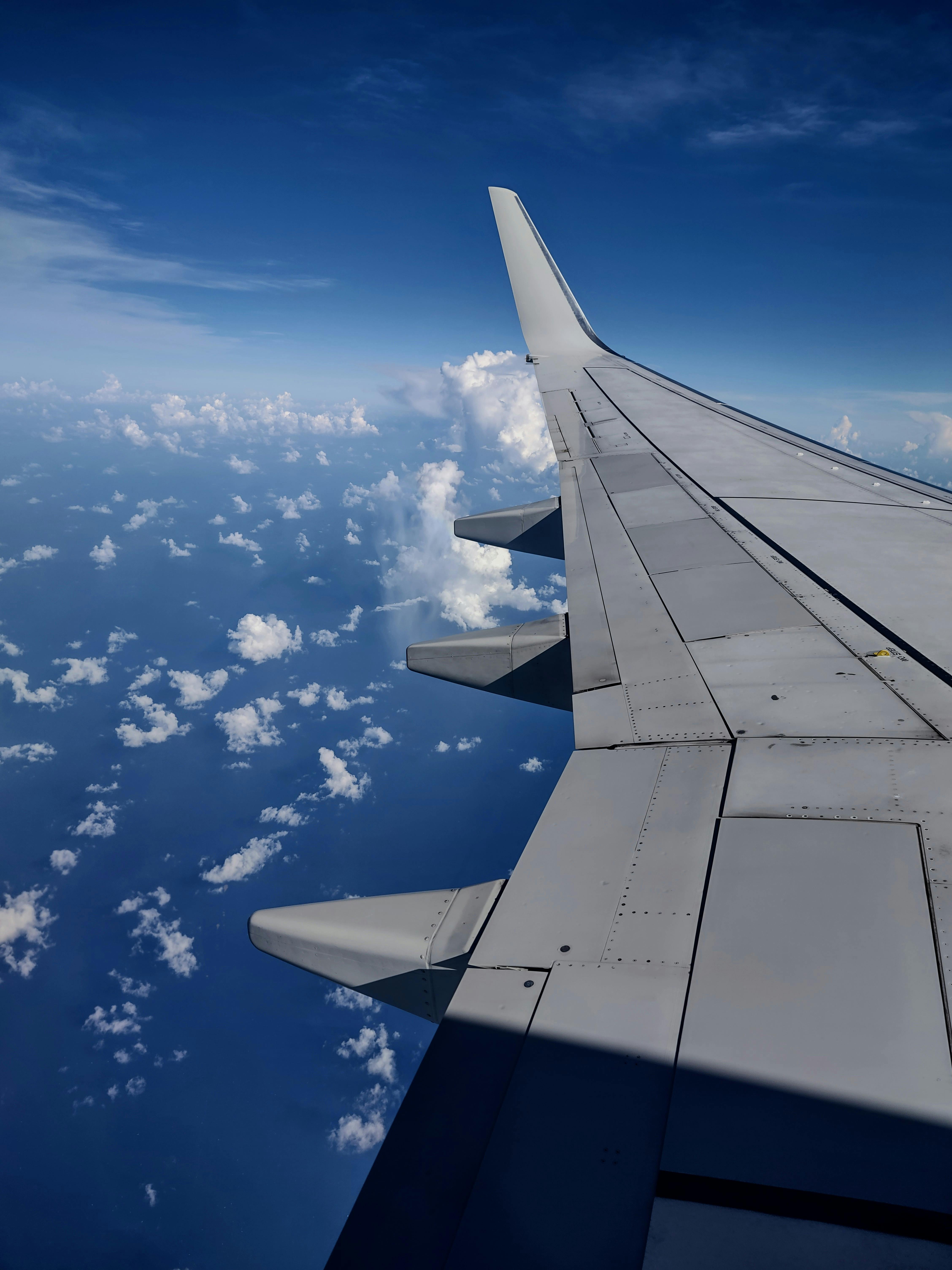
Modern mountain aviation adheres to strict safety standards. Pilots undergo specialized training for high-altitude takeoffs and landings, while aircraft are equipped with advanced navigation and weather systems. Travelers now enjoy comfort without compromising on the thrill of Himalayan adventure.
-Access to Remote Treks and Hidden Gems
Airports like Simikot in western Nepal or Skardu in Pakistan provide access to previously inaccessible treks and remote Himalayan valleys. Adventurers can now explore untouched regions like Dolpo, Mustang, and Khumbu without extreme overland travel.
Top Himalayan Airports That Make Multi-Country Travel Possible
- Lukla Airport (Nepal): Gateway to Everest Base Camp and Khumbu region.
- Paro International Airport (Bhutan): Access to Bhutan’s iconic monasteries and Himalayan scenery.
- Lhasa Gonggar Airport (Tibet, China): Entry points to Lhasa, Mount Kailash, and Tibetan highlands.
- Simikot Airport (Nepal): Launchpad for remote Dolpo treks.
- Jomsom Airport (Nepal): Connects travelers to Annapurna Circuit and Mustang.
- Pokhara Airport (Nepal): Easy access to trekking trails and scenic flights over the Annapurna range.
These airports, combined with modern flight schedules, allow multi-country Himalayan expeditions that were once unimaginable.
Why You Should Consider Multi-Country Himalayan Travel Now
Modern aviation has transformed the Himalayas from a challenging frontier into a connected adventure hub:
- Efficiency: Spend less time traveling, more time exploring.
- Accessibility: Even remote regions are now reachable by air.
- Safety: Well-trained pilots and advanced aircraft reduce risks.
- Flexibility: Combine treks, cultural tours, and spiritual journeys across borders in a single itinerary.
- Exclusive Experiences: Access hidden valleys, monasteries, and natural hot springs that few travelers have seen.
With expert operators like Mountain Tiger Nepal, travelers can experience Nepal, Bhutan, and Tibet seamlessly in one expedition, complete with flights, guides, permits, and personalized itineraries.
Tips for Travelers Planning Multi-Country Himalayan Tours
- Book Flights in Advance: Small aircraft fill up quickly, especially during peak trekking seasons.
- Prepare for Altitude: Some airports are above 2,500 meters; acclimatization is key.
- Pack Smart: Weight restrictions are strict on small planes; carry essential gear only.
- Use Trusted Tour Operators: MTN and similar agencies handle logistics, permits, and guides, ensuring smooth travel across multiple countries.
- Stay Flexible: Weather can affect flight schedules—plan extra buffer days.
Final Thoughts
Thanks to modern aviation, the Himalayas are no longer a remote mystery but a connected adventure playground. You can fly into Lukla, trek to Everest Base Camp, continue to Bhutan’s serene landscapes via Paro, and explore the spiritual heights of Tibet all in a single, seamless journey. Travelers today can experience the magic of the Himalayas with unprecedented ease, blending breathtaking landscapes, rich culture, and high-adrenaline adventure.
Pro Tip: For a hassle-free multi-country Himalayan adventure, book with Mountain Tiger Nepal (MTN) for expert-guided flights, treks, and tours tailored to your dream itinerary.
