
How Satellite Phones Are Revolutionizing Mountain Rescue in Nepal
Nepal’s towering peaks and remote trekking trails attract adventurers from around the world. From Everest Base Camp to the hidden valleys of Mustang and Dolpo, the Himalayas offer unmatched beauty and significant risk. Mountain rescues in these high-altitude regions have traditionally been challenging, with delays caused by rough terrain, unpredictable weather, and limited communication.
Today, satellite phones are transforming how rescues are conducted, making high-altitude adventures safer than ever.
The Challenge of Mountain Rescue in Nepal
Rescue operations in Nepal’s mountains face multiple hurdles:
- Remote terrain: Many trekking routes are inaccessible by road, requiring helicopters or long treks to reach stranded adventurers.
- Unpredictable weather: Sudden storms, avalanches, and heavy snowfall can trap trekkers and climbers.
- Limited communication: Traditional mobile networks are unreliable above 3,000 meters or in deep valleys.
These challenges often delayed rescues, putting lives at risk—until satellite technology entered the scene.
How Satellite Phones Are Changing the Game
1. Real-Time Communication Anywhere
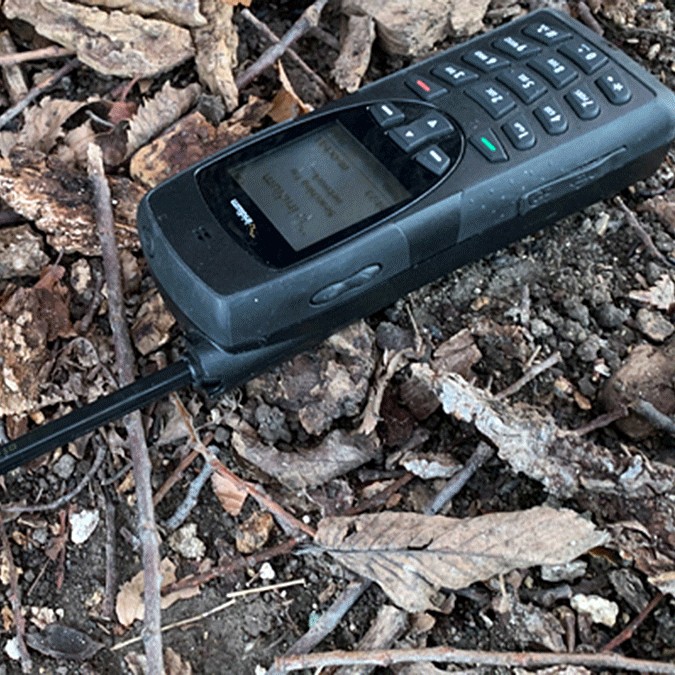
Satellite phones connect directly to orbiting satellites, bypassing terrestrial networks. This allows trekkers and climbers to contact emergency services from the most isolated Himalayan locations.
2. GPS-Enabled Emergency Assistance
Modern satellite phones feature built-in GPS tracking and SOS functions, sending exact coordinates to rescue teams. Helicopters and ground teams can respond faster, reducing risk and saving precious time.
3. Reliable in Extreme Conditions
Designed for harsh environments, satellite phones remain operational in freezing temperatures, high winds, and heavy snow, where mobile phones fail.
4. Coordination With Rescue Teams
Rescue operations are complex, involving multiple teams and helicopters. Satellite phones allow real-time coordination between base camps, guides, and rescue units, ensuring efficient and organized responses.
Real-Life Impacts: Satellite Phones in Action
Satellite phones have already proven invaluable in numerous Nepalese mountain rescues:
- Langtang Valley: Trekkers trapped by sudden snowstorms were evacuated swiftly after contacting rescue teams via satellite phone.
- Everest Region: Climbers suffering from altitude sickness used GPS-enabled SOS alerts to initiate helicopter rescues.
- Mustang and Dolpo: Solo trekkers and small groups safely rerouted after landslides, guided by satellite communication with base camps.
These success stories highlight how satellite technology has reduced response times and improved survival rates in the Himalayas.
Choosing the Right Satellite Phone for Himalayan Adventures
To maximize safety during treks and expeditions:
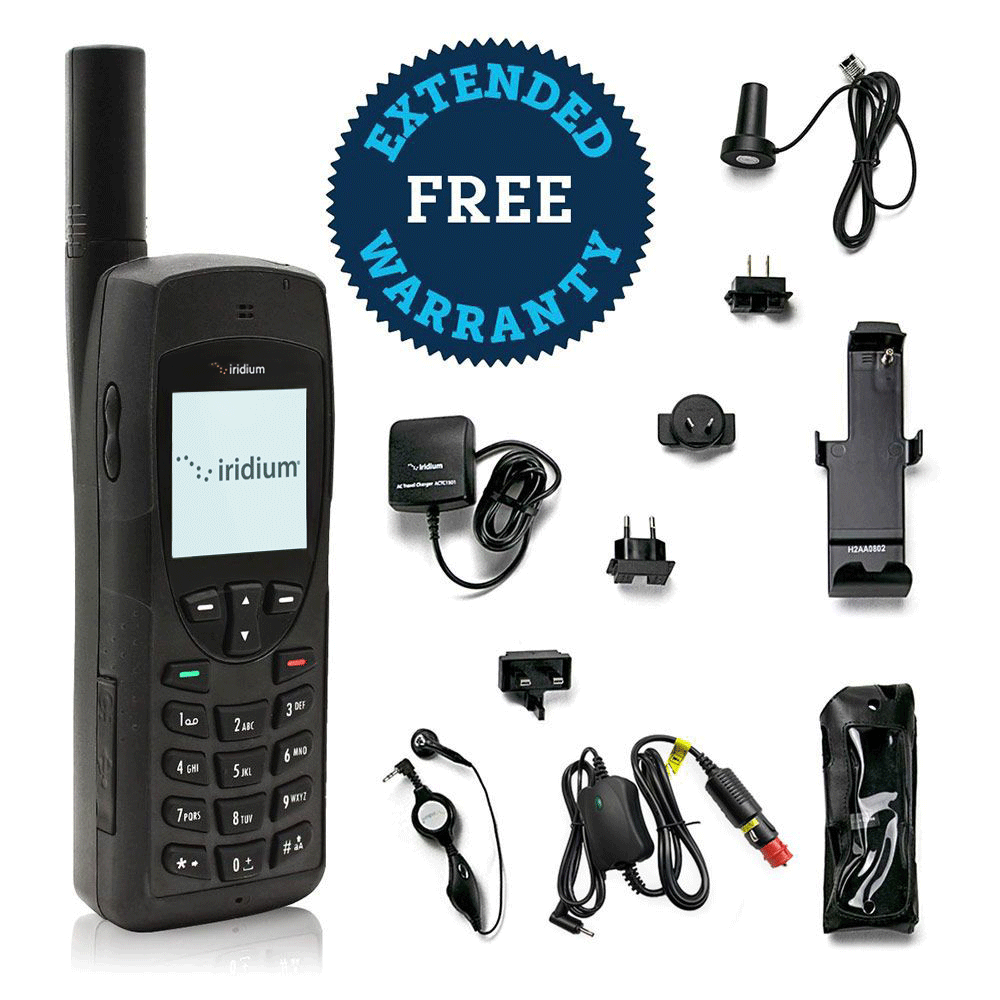
- Network Coverage: Iridium provides global coverage, ideal for remote Himalayan regions.
- Durability: Look for weatherproof, cold-resistant models.
- Battery Life: Carry spare batteries or solar chargers for extended trips.
- Emergency Features: SOS buttons and GPS tracking are essential for high-altitude safety.
Many trekking companies, including Mountain Tiger Nepal, provide satellite phone rentals, ensuring adventurers can stay connected even in the most remote locations.
Complementary Safety Measures
While satellite phones are a game-changer, rescue success also depends on preparation:
- Hiring experienced local guides familiar with terrain and weather patterns
- Following proper acclimatization schedules to prevent Acute Mountain Sickness (AMS)
- Monitoring weather forecasts and adjusting itineraries as needed
- Carrying essential emergency gear, food, and water
Together, these precautions maximize safety in Nepal’s high mountains.
Conclusion: A New Era of Mountain Rescue
Satellite phones have revolutionized mountain rescue in Nepal, transforming dangerous high-altitude adventures into safer experiences. They provide real-time communication, precise location tracking, and reliable operation in extreme conditions, saving lives and giving trekkers confidence to explore the Himalayas.
For every trekker, climber, or adventurer, a satellite phone is no longer a luxury it’s an essential lifeline in the heart of the mountains.
