
How Satellite Phones Make High-Altitude Treks Safer
Nepal’s high-altitude trekking routes, from Everest Base Camp to the hidden trails of Dolpo and Mustang, offer life-changing experiences. Towering peaks, glacial landscapes, and remote villages make these treks a bucket-list adventure for travelers worldwide. But along with the thrill comes risk: extreme weather, unpredictable terrain, and limited communication options can turn an unforgettable adventure into a dangerous situation.
In such environments, satellite phones have emerged as a critical safety tool, ensuring trekkers stay connected even in the most isolated corners of the Himalayas.
The Communication Challenge in High-Altitude Treks
Most mobile networks in Nepal are limited to major towns and lower-altitude settlements. As trekkers ascend to 3,000–5,500 meters or beyond:
- Mobile coverage often disappears completely.
- Emergency services may take hours or even days to respond without precise location data.
- Weather events like snowstorms, landslides, and avalanches can cut off conventional communication.
Satellite phones bypass these challenges, connecting directly to satellites instead of relying on terrestrial cell towers, making them invaluable in remote areas.
Key Ways Satellite Phones Enhance Safety
1. Immediate Access to Emergency Services
In case of accidents, altitude sickness, or health emergencies, satellite phones allow trekkers to call for help immediately. Rescue teams can be alerted with exact GPS coordinates, significantly reducing response time.
2. Reliable Communication in All Conditions
Unlike mobile networks, satellite phones function in extreme cold, heavy snow, and high-altitude conditions. Even during natural disasters that damage local infrastructure, satellite phones provide a lifeline.
3. GPS Tracking and SOS Features
Many satellite phones include built-in SOS buttons and GPS functionality. This allows rescuers to locate trekkers quickly and precisely, which is critical in regions where trails are difficult to navigate and weather can change in minutes.
4. Coordinating With Guides and Base Camps
Satellite phones also allow trekkers to maintain contact with guides and base camps for updates on weather, trail conditions, or logistical support. This reduces risks associated with isolation or miscommunication during multi-day treks.
Real-Life Examples From the Himalayas
Trekkers and guides frequently report situations where satellite phones saved lives:
- A sudden snowstorm in the Langtang Valley trapped trekkers, who used a satellite phone to call for a helicopter evacuation.
- Everest climbers facing severe altitude sickness were located and rescued quickly due to GPS-enabled SOS signals.
- Teams in Mustang coordinated with base camps to reroute due to landslides, preventing injuries.
These examples highlight how satellite phones are not just convenient—they are essential for high-altitude safety.
Choosing the Right Satellite Phone for Trekking
When selecting a satellite phone for high-altitude adventures, consider:
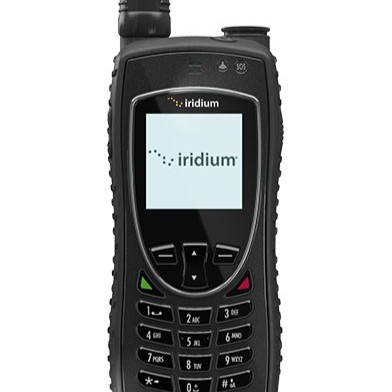
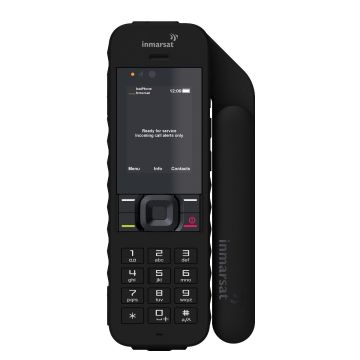
- Coverage: Iridium networks provide global coverage, while Inmarsat may have gaps in valleys.
- Battery life: Cold temperatures reduce battery efficiency; choose a model with extended power options.
- Weight and portability: Lightweight models are easier to carry on long treks.
- Emergency features: SOS buttons, GPS tracking, and weather-resistant designs are critical.
Many trekking companies in Nepal, including Mountain Tiger Nepal, offer satellite phone rentals, ensuring climbers and trekkers are fully equipped for emergencies.
Additional Safety Measures to Complement Satellite Phones
While satellite phones are indispensable, comprehensive safety also involves:
- Traveling with experienced local guides.
- Following proper acclimatization schedules to prevent Acute Mountain Sickness (AMS).
- Monitoring weather forecasts and being prepared to adjust routes.
- Carrying sufficient food, water, and emergency medical supplies.
Combining these precautions with satellite phone access provides the highest level of security for high-altitude trekkers.
Conclusion: Your Lifeline in the Himalayas
High-altitude trekking in Nepal is both exhilarating and challenging. Satellite phones transform these treks by providing reliable communication, immediate access to emergency services, and peace of mind in remote locations. For anyone venturing into Nepal’s high mountains, a satellite phone is more than a tool it’s a lifeline.
With proper planning, professional guidance, and the right technology, you can explore Nepal’s Himalayas safely, confident that help is just a call away.
