
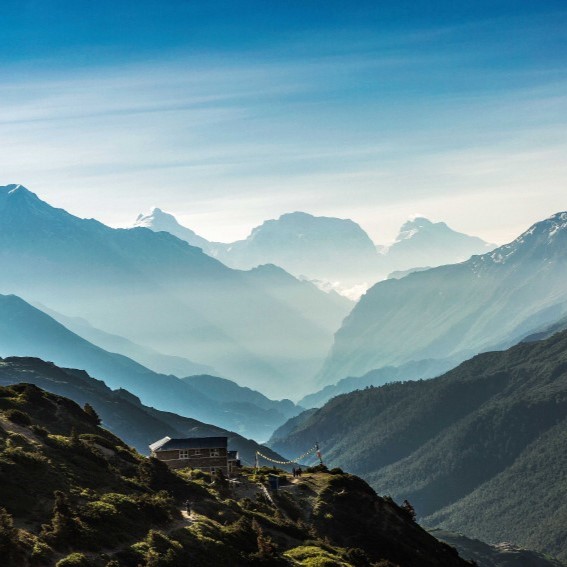
How to Trek to Tilicho Lake via Khangsar – Nepal’s High-Altitude Alpine Jewel
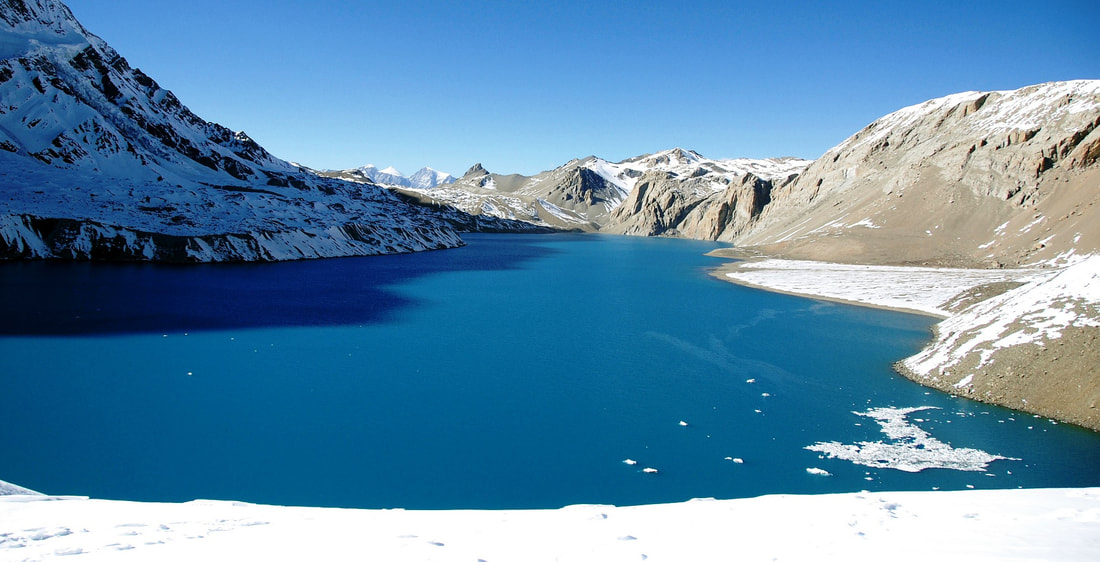
Tilicho Lake, located at an astonishing altitude of 4,920 meters, is the world’s highest glacial lake and one of the most awe-inspiring trekking destinations in Nepal. Tucked away in the heart of the Annapurna region, the route to Tilicho via Khangsar village is both breathtaking and challenging.
If you're planning to venture beyond the popular Annapurna trails and dive into high-altitude wilderness, this guide will walk you through everything you need to know from access and food to difficulty and terrain.
Where Is Tilicho Lake, and How Do You Get There?
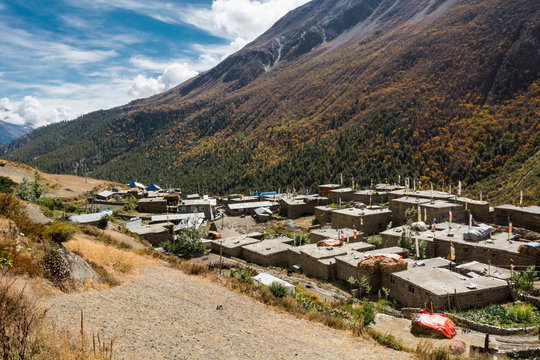
Tilicho Lake lies in Manang District, in the Annapurna region of western Nepal. It’s accessed via the classic Annapurna Circuit route, with a key detour from Khangsar Village, a spiritual and scenic settlement perched at 3,734 meters.
Step-by-Step Access:
- Kathmandu or Pokhara to Besisahar: Take a public bus or private jeep (6–8 hours).
- Besisahar to Manang: Drive or trek through Chame and Pisang. Most trekkers acclimatize here.
- Manang to Khangsar: A short, scenic uphill walk brings you to the gateway village for Tilicho.
- Khangsar to Tilicho Base Camp: Via steep alpine ridges and glacial valleys.
- Base Camp to Tilicho Lake: A tough but rewarding climb to the lake’s stunning shores.
How Difficult Is the Trek?
The Tilicho Lake trek is challenging. Though not technical, it includes:
- High altitudes over 4,000 meters for multiple days.
- Steep ascents, narrow trails, and scree slopes.
- Risk of altitude sickness, especially from base camp to the lake.
That said, if you are physically fit, properly acclimatized, and mentally prepared, this trek is absolutely achievable and incredibly rewarding.
Tip: Spend at least 2 nights acclimatizing in Manang before heading to Khangsar.
Accommodation: Where Do You Sleep?
The trek is a tea-house based trek, meaning you’ll sleep in local mountain lodges. These tea houses are simple but functional:
- Rooms: Twin beds with shared bathrooms.
- Toilets: Squat-style mostly; some lodges in lower regions may have Western commodes.
- Heating: Limited; the dining area may have a fire, but rooms are unheated.
- Hot showers: Available for an extra cost, but rare above Manang.
Don’t expect luxury, but do expect spectacular views, friendly locals, and warm dal bhat!
What Do You Eat Along the Trail?
Food along the Tilicho route is basic but nourishing. Most teahouses serve a similar menu, including:
- Dal Bhat (rice, lentils, vegetables) – energy-rich and unlimited refills!
- Fried noodles, pasta, momos, pancakes, and eggs
- Tea, coffee, garlic soup (for altitude)
Avoid meat: Since there are no slaughtering facilities in the region, meat is carried up unrefrigerated and may not be safe. Stick to vegetarian meals for safety.
Eggs, potatoes, and dal bhat are your best trekking companions!
What Should You Pack?
Given the terrain and altitude, pack for both cold weather and variable trail conditions. Essentials include:
- Warm down jacket and thermal layers
- Quality trekking boots and gaiters
- Trekking poles (especially for scree descents)
- Sunglasses, sunscreen, and lip balm
- Water purification tablets or filter
- First aid kit with altitude meds (e.g., Diamox)
- Headlamp, gloves, rain gear
Night temperatures can drop well below freezing, even in spring.
What Permits Are Needed?
To trek to Tilicho Lake, you need:
- ACAP Permit (Annapurna Conservation Area) – NPR 3,000 (~USD 25)
- TIMS Card (Trekkers Information Management System) – NPR 2,000 (~USD 15)
These are available in Kathmandu or Pokhara. If you're with a trekking agency, they'll handle it for you.
When Is the Best Time to Visit Tilicho?
Best Seasons:
- Spring (March–May) – Clear skies, mild temperatures, blooming rhododendrons
- Autumn (Sept–Nov) – Crisp views, dry trails, and great conditions
Avoid:
- Winter (Dec–Feb) – Extremely cold, snow-covered trails
- Monsoon (June–Aug) – Landslides and limited visibility
That said, Tilicho lies in a rain shadow, so it's drier even in monsoon compared to other regions.
Why Trek to Tilicho Lake?
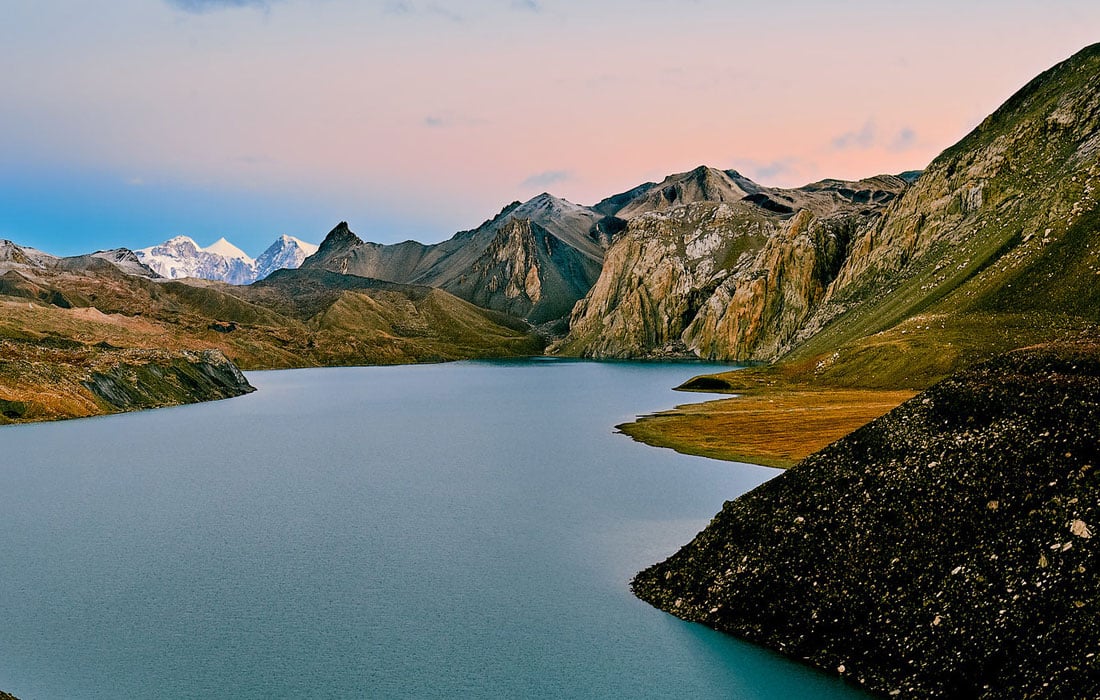
Besides the adrenaline and altitude, Tilicho offers a surreal, almost lunar landscape that feels like another planet. Highlights include:
- The sky-reflecting turquoise waters of Tilicho Lake
- Jaw-dropping views of Annapurna II, Gangapurna, and Khangsar Kang
- The spiritual calm of Khangsar village
- Raw, offbeat Himalayan wilderness with fewer crowds than Everest or ABC
Trekking to Tilicho Lake via Khangsar is not for the faint of heart but it’s absolutely for those seeking a deep, personal Himalayan experience. You’ll challenge your limits, embrace unpredictable weather, and stand in awe at the feet of sacred mountains.
If you're ready for thin air, big climbs, and even bigger views, Tilicho is calling.
