
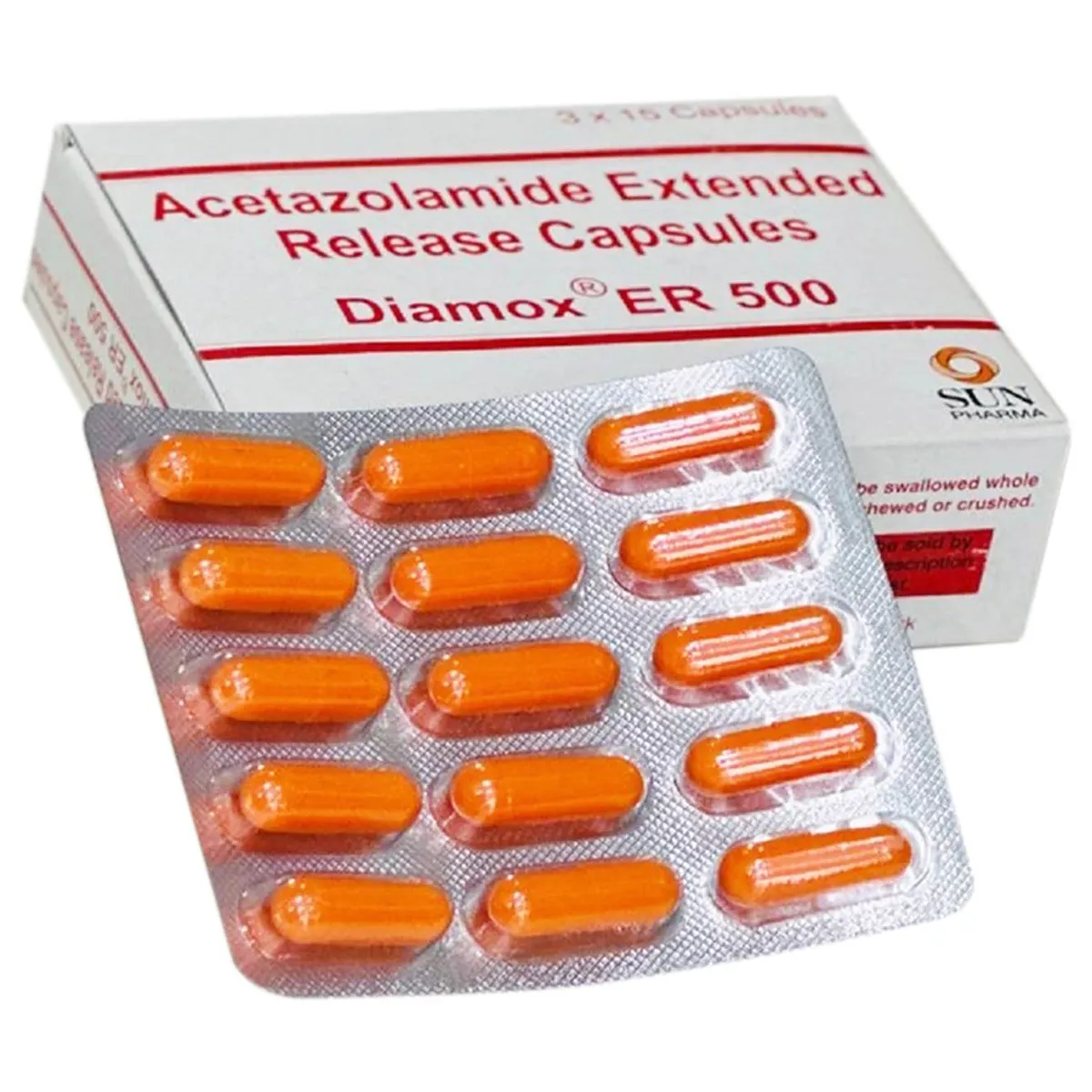
Is Diamox a “Cheat Code”? The Pros and Cons of Altitude Pills
Everest Base Camp (EBC) trekking is a high-altitude adventure where proper acclimatization can make or break your journey. Among trekkers, a common question arises: Is Diamox a cheat code for altitude sickness? I explored this on my 2026 trek, and here’s an in-depth look at the pros and cons of using altitude pills like Diamox.

What Is Diamox?
Diamox (generic name Acetazolamide) is a prescription medication used to:
- Prevent Acute Mountain Sickness (AMS)
- Reduce symptoms like headache, nausea, and dizziness
- Help your body adjust faster to high altitudes
It works by increasing breathing rate, which helps improve oxygen levels in your blood.
The Pros of Using Diamox
1. Faster Acclimatization
Diamox can make your body adjust to higher altitudes more efficiently, reducing the likelihood of AMS on tough treks to places like Dingboche (4,410m) and Gorak Shep (5,164m).
2. Reduced Symptoms
Trekkers often report fewer headaches, less fatigue, and minimal nausea when taking Diamox, allowing for more enjoyable trekking.
3. Safer High-Altitude Trekking
For those with limited time or a tight schedule, Diamox can act as a safeguard against altitude-related complications though it’s not a substitute for proper acclimatization.
The Cons and Risks
1. Side Effects
Common side effects include:
- Frequent urination
- Tingling in fingers or toes
- Altered taste (especially carbonated drinks)
- Mild nausea or dizziness
2. False Sense of Security
Some trekkers assume Diamox prevents altitude sickness entirely, but this is not true. Proper acclimatization, hydration, and pacing are still critical.
3. Medical Considerations
- Not suitable for everyone: those with kidney, liver, or sulfa allergies should avoid it
- Should always be taken under medical guidance, especially at high altitudes
4. Temporary Fix
Diamox helps manage symptoms but does not cure altitude sickness. Severe AMS still requires descent, oxygen, and professional medical attention.
Tips for Safe Use
- Start early: Often taken 24–48 hours before ascending to high altitude
- Hydrate well: Diamox can cause dehydration due to increased urination
- Monitor symptoms: Always be aware of warning signs like severe headache, shortness of breath, or confusion
- Combine with acclimatization: Use Diamox as a tool, not a crutch
Final Thoughts
Diamox isn’t a “cheat code,” but it can be a helpful companion for high-altitude trekking when used responsibly. The key to a safe Everest Base Camp trek remains:
- Proper pacing and acclimatization
- Adequate hydration and nutrition
- Knowledge of your body’s limits
With the right approach, Diamox can make your high-altitude journey more comfortable and safer, but it’s no substitute for experience, preparation, and respect for the mountains.
