
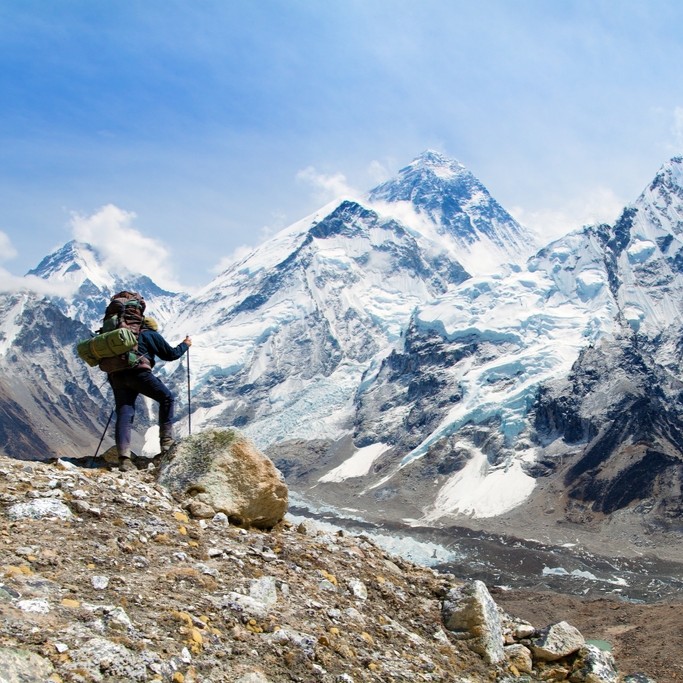
Is Everest Base Camp Hard? The Honest Truth About Altitude Sickness
For many, trekking to Everest Base Camp (EBC) is the ultimate Himalayan adventure. But alongside breathtaking views and Sherpa culture lies a common concern: altitude sickness. Many first-time trekkers wonder“Is the Everest Base Camp trek hard?”
This guide provides an honest look at the challenges, difficulty level, and altitude considerations of the EBC trek, helping potential trekkers make informed decisions.
Understanding the Difficulty of the Everest Base Camp Trek
The EBC trek is often described as moderate to challenging, but difficulty is subjective and depends on several factors:
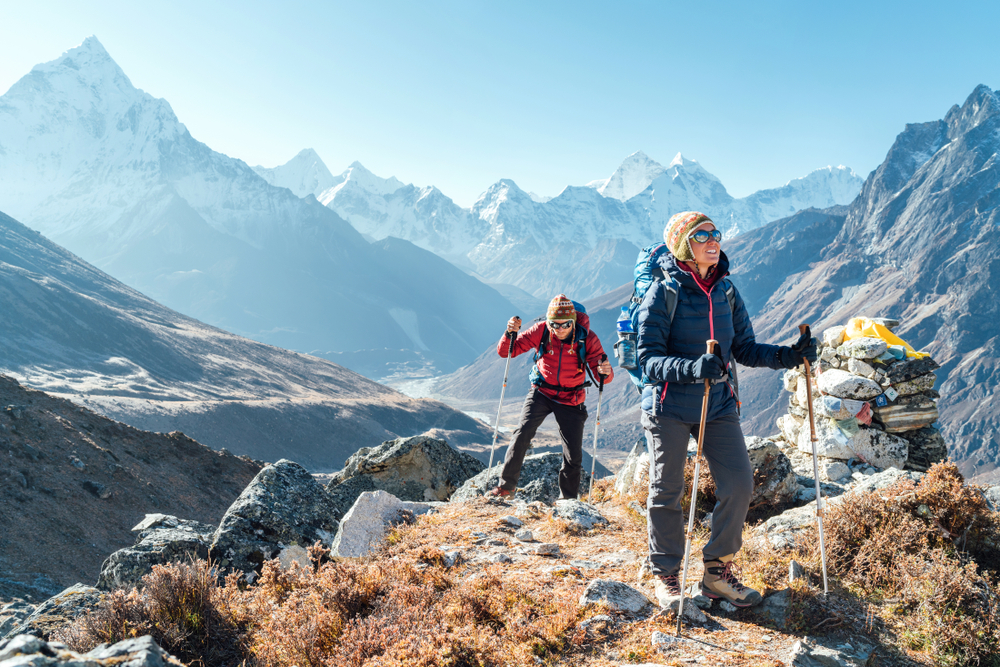
Trail Conditions: The route passes through rocky paths, suspension bridges, and occasional steep ascents. While the terrain is generally well-marked, hikers must be prepared for long days of walking and uneven surfaces.
Distance and Duration: Most itineraries span 12–14 days, covering approximately 130 kilometers round trip from Lukla. Daily hikes range from 5 to 8 hours on average, with elevation gains that test stamina and endurance.
Physical Demands: The trek requires good cardiovascular fitness, strong leg muscles, and endurance, but it is accessible to moderately fit individuals who prepare adequately.
Mental Challenge: Long days, remote villages, and basic accommodations require mental resilience. Trekkers face limited connectivity, changing weather, and altitude effects that can be discouraging if unprepared.
Altitude: The Real Challenge
The #1 concern for most EBC trekkers is altitude sickness, also called Acute Mountain Sickness (AMS).
Key Facts:
- EBC is at 5,364 meters (17,598 feet), with trekkers passing villages and resting points between 2,800 and 5,000 meters.
- The air at these heights contains significantly less oxygen, making breathing harder and physical exertion more taxing.
- Symptoms of AMS include headache, nausea, dizziness, fatigue, and loss of appetite. Severe cases can develop into High Altitude Pulmonary Edema (HAPE) or High Altitude Cerebral Edema (HACE).
How Hard Is EBC Compared to Other Treks?
Unlike technical climbs that require ropes, crampons, or climbing experience, EBC is a trekking expedition, not a mountaineering challenge. Anyone in good physical condition can complete it with proper preparation, pacing, and acclimatization.
However, the high altitude sets EBC apart from most treks in Nepal:
- Trekking at 4,000–5,000 meters is considerably harder than lower-altitude trails like Ghorepani Poon Hill or Mardi Himal.
- Even experienced hikers can feel the effects of altitude, so preparation and gradual ascent are critical.
Tips to Handle Altitude and Make the Trek Easier
Acclimatize Properly: Include rest days in Namche Bazaar and Tengboche. Follow the “climb high, sleep low” principle.
Hydrate Continuously: Drink at least 3–4 liters of water daily. Avoid alcohol and excessive caffeine in the early days.
Eat Well: High-calorie meals with carbohydrates, proteins, and fats help the body adjust and maintain energy.
Ascend Slowly: Avoid rushing. Fatigue increases risk of altitude sickness.
Consider Medication: Some trekkers consult doctors for acetazolamide (Diamox) to prevent AMS.
Listen to Your Body: Fatigue, headache, or dizziness should never be ignored. Descend if symptoms worsen.
The Honest Verdict
- Physical Difficulty: Moderate—requires good fitness, endurance, and mental toughness.
- Altitude Challenge: Significant—the real test of the trek is adjusting to high-altitude conditions.
- Technical Skills: Minimal—EBC is a trekking route, not a climb.
In short, Everest Base Camp is achievable for most healthy, moderately fit individuals, but altitude is the key factor that makes it uniquely challenging. Preparation, patience, and awareness are essential for a safe and enjoyable experience.
Conclusion
The Everest Base Camp trek is hard in terms of altitude and endurance, not technical climbing. By preparing physically, pacing yourself, and respecting altitude, trekkers can safely experience one of the world’s most iconic adventures.
If you’re dreaming of reaching Everest Base Camp, understanding altitude sickness and following proper acclimatization strategies is the single most important step toward making that dream a reality.
