
Is Nar Phu Valley Worth Trekking? NEPAL'S LAST HIDDEN KINGDOM
What Makes Nar Phu Valley Trek So Special?
A Real Himalayan Wilderness Experience
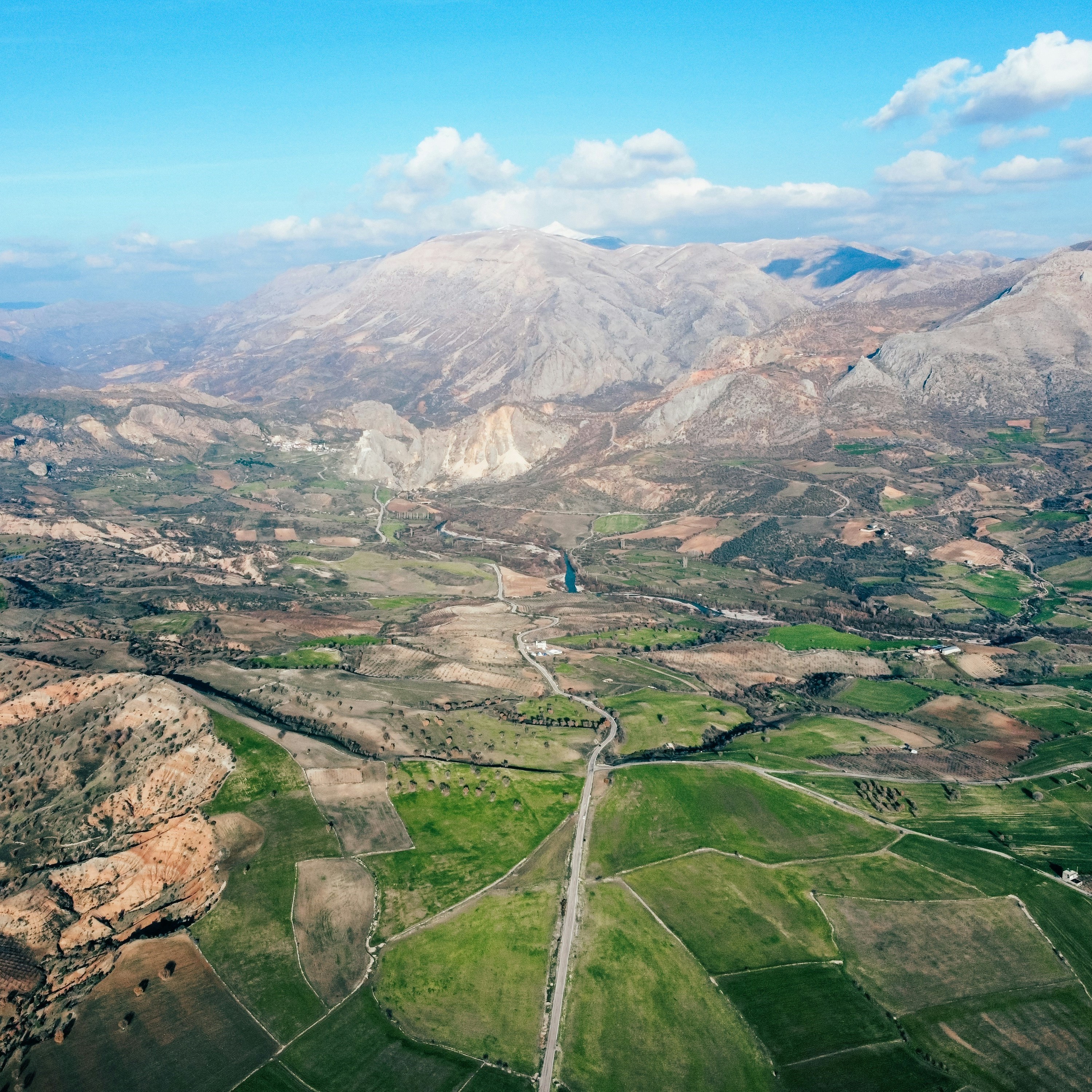
Nar Phu Valley offers a true wilderness escape, far from the well-trodden trails of Everest or Annapurna Circuit. Since it only opened to trekkers in 2003, the region remains pristine, remote, and unspoiled. The paths lead through narrow gorges, high mountain passes, glaciers, yak pastures, and timeless Tibetan-style villages.
You’ll enjoy spectacular views of Annapurna II, Gangapurna, Himlung Himal, Tilicho Peak, and Pisang Peak, among others. Add to that the dramatic rock formations, frozen waterfalls, and sheer cliffs, and you’ve got one of Nepal’s most picturesque trekking landscapes.
Tibetan Buddhist Culture Preserved for Centuries
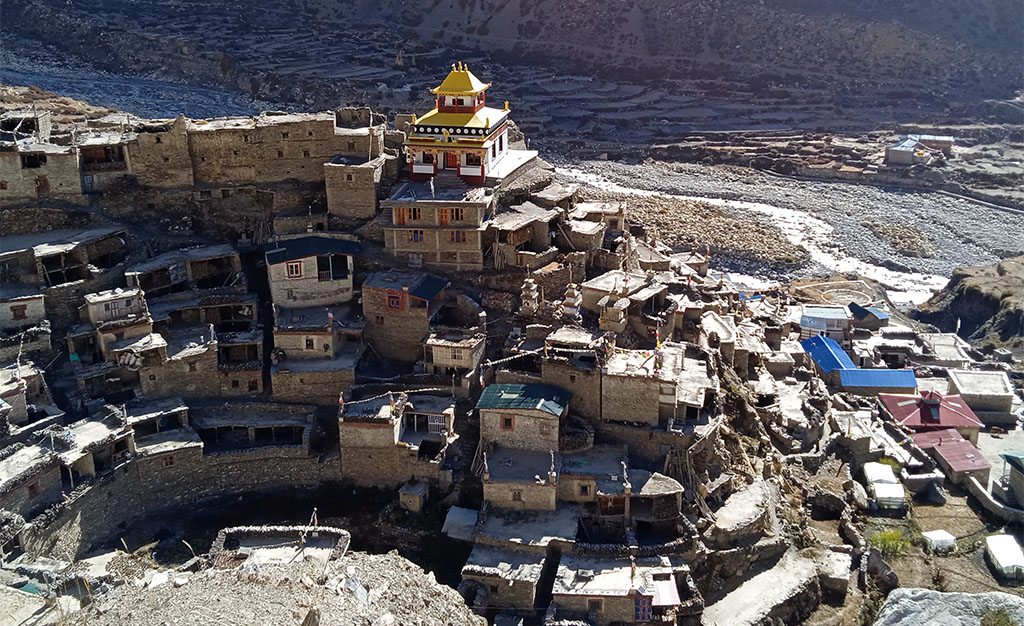
Nar and Phu villages are cultural time capsules. Here, you can witness authentic Tibetan-derived lifestyles, ancient monasteries (gompas), colorful chortens, and intricately carved prayer stones untouched by modernization.
Trekkers often spend nights in Nar Phedi monastery, offering a rare chance to immerse in Buddhist monastic life. You’ll also meet locals who still live off traditional farming, yak herding, and trading just as their ancestors did.
Off-the-Beaten-Path Yet Accessible
The trek begins from Besisahar, the same trailhead as the Annapurna Circuit. But soon it diverges into the quiet wilderness of Nar and Phu, far from commercial lodges and noisy crowds. You’ll pass through deep canyons, high suspension bridges, and isolated villages that few trekkers have ever seen.
With special restricted area permits, only a handful of visitors are allowed in each year, making your journey feel all the more exclusive.
Kang La Pass & Himlung Himal Base Camp
For those who seek high-altitude thrills, the trek offers:
- Kang La Pass (5,320 m): A stunning traverse offering panoramic views of the Annapurna range
- Optional side trek to Himlung Himal Base Camp (4,900 m): A lesser-visited yet stunning extension for the adventurous
Many itineraries also extend beyond Kang La to Thorong La Pass (5,416 m), eventually connecting to Muktinath, Kagbeni, and Jomsom via the Kali Gandaki Valley.
Nar Phu Trek Overview
Challenges of the Trek
- Remote Trails: Limited lodges and services; minimal luxury
- High Altitude: Steep elevation gains with little flexibility in daily distance
- Weather Conditions: Snow in winter can block passes; monsoon may cause landslides on roads
- Physical Fitness: Requires prior experience and good health due to altitude and terrain
Wildlife & Biodiversity
The Nar Phu region is home to:
- Blue sheep
- Himalayan tahr
- Snow leopards (rarely spotted)
- Himalayan griffons and eagles
You’ll walk through pine forests, alpine meadows, and barren high-altitude plateaus—each with a unique ecosystem.
Nar Phu: A Himalayan Shangri-La
Often described as a "Himalayan Shangri-La," Nar Phu is one of Nepal’s last remaining places where you can witness:
- Untouched Tibetan heritage
- Ancient monasteries untouched by tourism
- Stone houses and farming practices unchanged for centuries
This blend of cultural depth and mountain drama is what makes Nar Phu one of Nepal’s most authentic trekking experiences.
FAQs – Nar Phu Valley Trek
Q: How long does the Nar Phu trek take?
A: Standard itinerary is 19 nights/20 days (Besisahar to Jomsom). However, shorter options (12–14 days) are possible by skipping Thorong La and exiting through Manang.
Q: Is it suitable for beginners?
A: No. Due to the elevation, long walking hours, and basic facilities, this trek is best for experienced, fit trekkers.
Q: Can I do the trek in monsoon or winter?
A: Yes, but with caution. Monsoon (June–August) brings landslides and road disruptions. Winter (Dec–Feb) may close Kang La Pass due to heavy snow.
Final Verdict: Is Nar Phu Valley Worth Trekking?
Yes. Nar Phu Valley is 100% worth trekkingfor those who want to escape the mainstream trails and dive into the heart of Nepal’s raw beauty and heritage. It's a once-in-a-lifetime journey into a region that few have walked, where the silence of the mountains meets the soul of Tibetan culture.
Whether you're a high-altitude trekker or a cultural explorer, Nar Phu offers a spiritual and scenic richness that’s hard to find anywhere else.
