
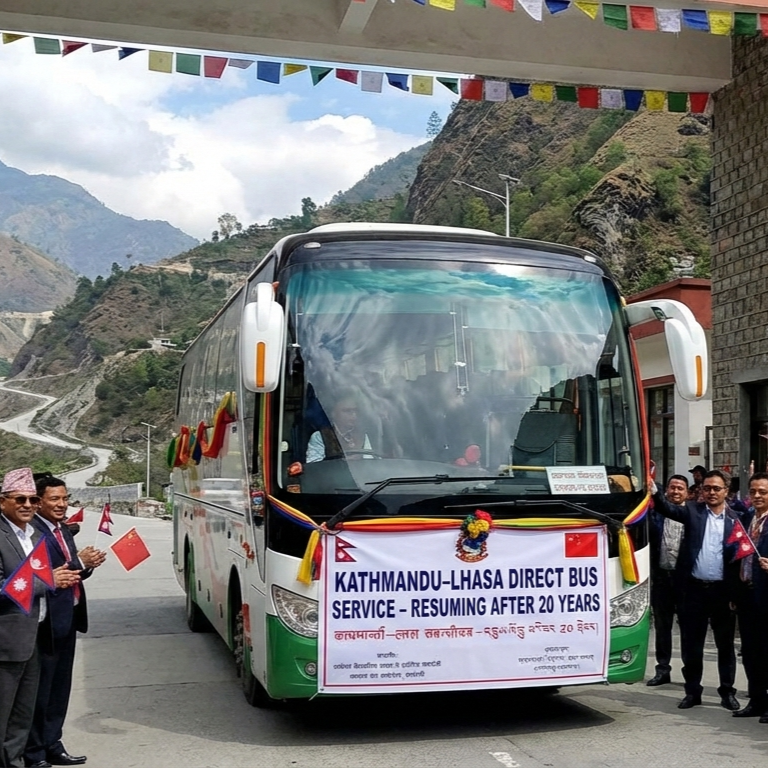
Kathmandu–Lhasa Direct Bus Service to Resume After 20 Years: A Historic Nepal–China Connectivity Revival
After a gap of nearly two decades, the long-anticipated Kathmandu to Lhasa direct bus service is set to make a historic comeback, marking a major milestone in Nepal–China cross-border connectivity, tourism, and trade relations. The revival of this overland route is expected to strengthen people-to-people ties while opening new opportunities for travelers, pilgrims, and commerce between Nepal and the Tibet Autonomous Region of China.
A Long-Awaited Comeback of a Historic Route
The decision to restart the direct bus service between Kathmandu and Lhasa was finalized during the Nepal–China Joint Meeting of Commerce Secretaries, held in Lhasa on January 20–21. While the exact launch date is yet to be confirmed, both governments have agreed in principle, with final implementation pending further diplomatic coordination.
This announcement has generated significant interest among overland travelers, Buddhist pilgrims, tour operators, and regional trade stakeholders, as it revives one of the most scenic and culturally significant cross-Himalayan travel corridors.
Distance, Route, and Travel Time
The overland distance between Kathmandu and Lhasa is approximately 1,000 kilometers, traversing dramatic Himalayan landscapes and historic trans-border trade routes.
- Route: Kathmandu – Tatopani – Tibet – Lhasa
- Estimated Travel Time: 20 to 22 hours
- Border Point: Tatopani (Nepal–China border)
Once operational, the bus will offer a direct, uninterrupted road journey, reducing reliance on flights and providing a cost-effective and immersive travel alternative.
Why This Bus Service Matters
1. Boost to Tourism and Pilgrimage
The Kathmandu–Lhasa bus is expected to significantly benefit:
- Buddhist pilgrims traveling to sacred sites in Tibet
- Adventure and cultural travelers seeking overland Himalayan journeys
- Group tours and budget-conscious travelers
It also complements Nepal’s position as a gateway to Tibet for international visitors.
2. Strengthening Nepal–China Relations
This service symbolizes renewed cooperation in:
- Cross-border mobility
- Trade facilitation
- Cultural exchange
It aligns with broader regional connectivity and infrastructure development goals shared by both nations.
3. Economic and Trade Opportunities
Improved transport connectivity can support:
- Small-scale cross-border trade
- Tourism-linked employment
- Regional economic integration
Local communities along the route, particularly near border areas, are expected to benefit directly.
A Look Back: The 2005 Bus Service
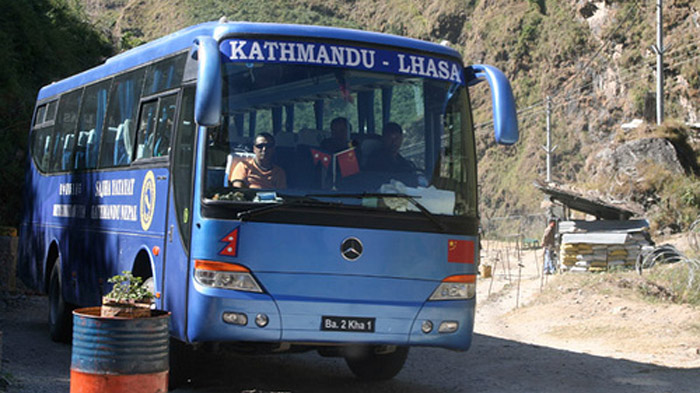
The Kathmandu–Lhasa direct bus service was first introduced in 2005, raising similar excitement at the time. However, due to a combination of operational, logistical, and external challenges, the service was discontinued within just two months.
The renewed initiative comes with stronger diplomatic coordination, improved road infrastructure, and greater regional demand—factors that increase the likelihood of long-term sustainability this time.
What Happens Next?
While the decision has been officially endorsed, the final launch date, ticketing system, frequency, and operational details will be announced after:
- Bilateral diplomatic consultations
- Transport and immigration coordination
- Final route and safety assessments
Travelers and tour operators are advised to monitor official announcements for updates.
Conclusion: A New Chapter in Himalayan Overland Travel
The resumption of the Kathmandu to Lhasa direct bus service after 20 years is more than just a transport update; it represents a renewed chapter in Himalayan connectivity, cultural exchange, and regional cooperation. Once operational, this route will redefine overland travel between Nepal and Tibet, offering a rare blend of accessibility, affordability, and unforgettable high-altitude scenery.
As Nepal and China move closer through enhanced connectivity, this historic bus route is poised to become a symbol of revived trans-Himalayan travel in the modern era.
