
Kopche Wadangmet and Heritage Festival: Explore Dhankuta’s Vibrant ‘Orange City’
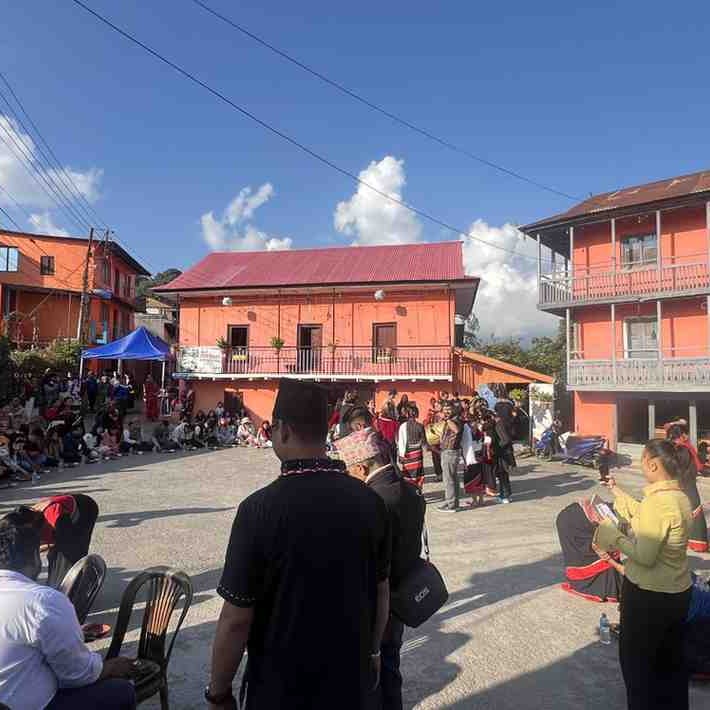
Dhankuta, one of eastern Nepal's hidden gems, is home to Kopche, a locality that has undergone a remarkable revival in recent years. Once a forgotten corner of the district, Kopche has now emerged as the ‘Orange City’, a vibrant destination showcasing the region’s rich cultural heritage, architectural beauty, and community-driven initiatives. The Kopche Wadangmet and Heritage Festival is at the heart of this transformation, attracting travelers seeking an immersive cultural experience in Nepal.
The Revival of Kopche – From Abandoned Town to Cultural Hub
Located in Ward No. 5 of Dhankuta Municipality, Kopche was once a bustling commercial hub for over 200 years, connecting trade across the eastern hills. However, the expansion of roads to Dhankuta in the late 20th century led to its decline. By the early 1990s, many homes were abandoned, shops closed, and the once-thriving town became nearly deserted.
The revival of Kopche began with the Kopche Revival Campaign, spearheaded by local communities determined to preserve their heritage. Over the past few years, the transformation has been remarkable:
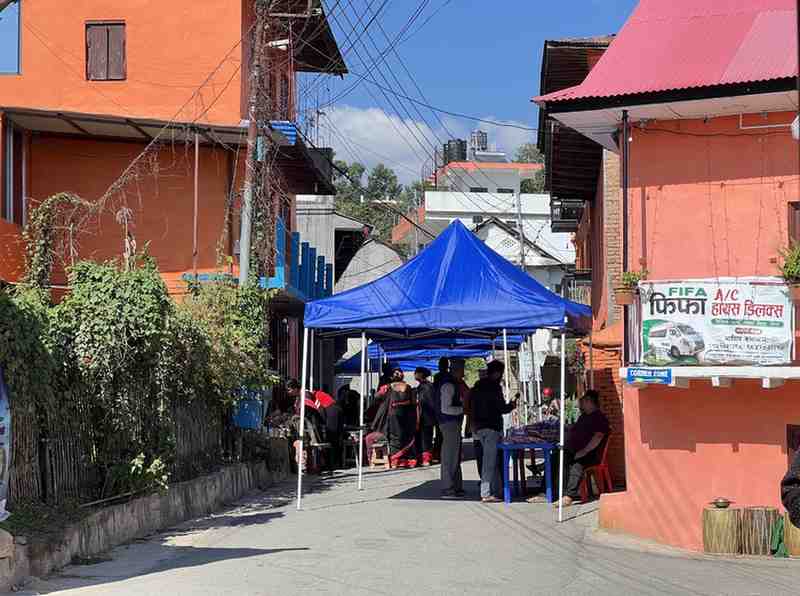
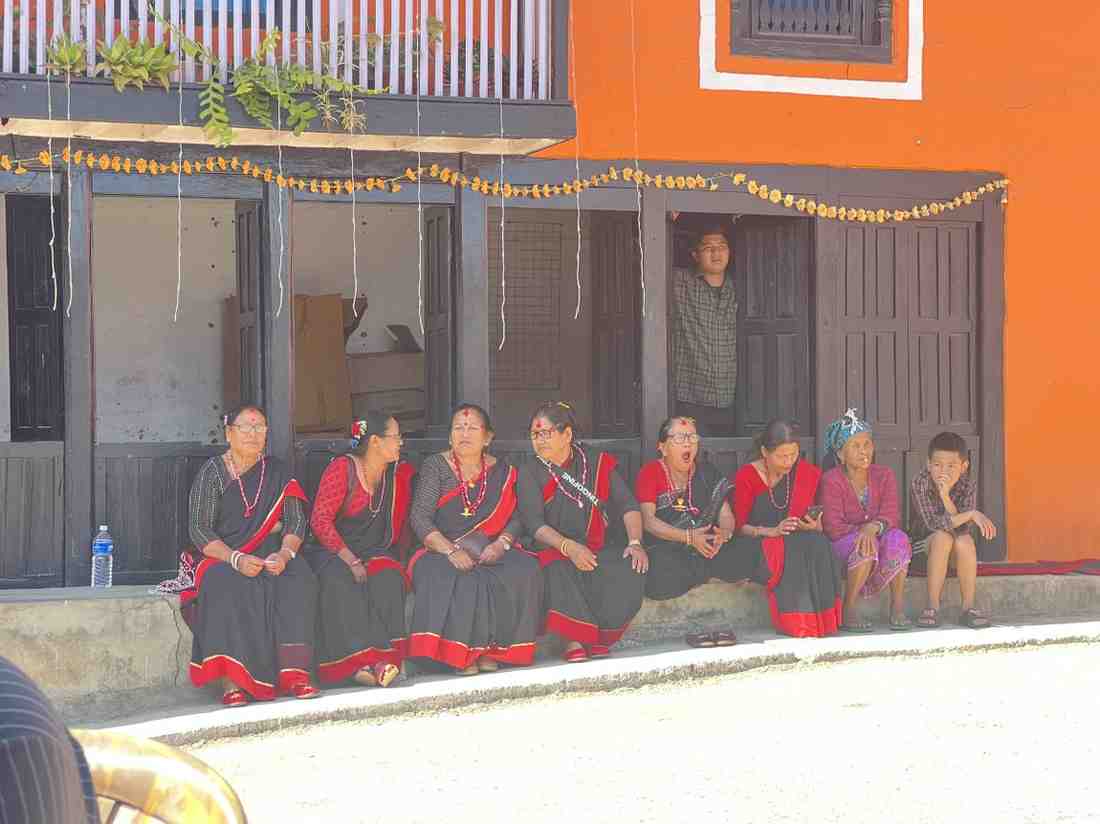
- Homes were restored and painted in vibrant orange, earning Kopche the nickname ‘Orange City’.
- Flower plantations and gardens introduced as part of the City of Flowers initiative.
- Reopening of local shops, markets, and guesthouses.
- Investments in hospitality, including star-rated hotels in Upper Kopche and cozy homestays in Lower Kopche.
Today, Kopche is a shining example of community-led tourism, blending heritage conservation with modern amenities while offering a rich cultural experience for visitors.
Kopche Wadangmet and Heritage Festival – Celebrating Tradition
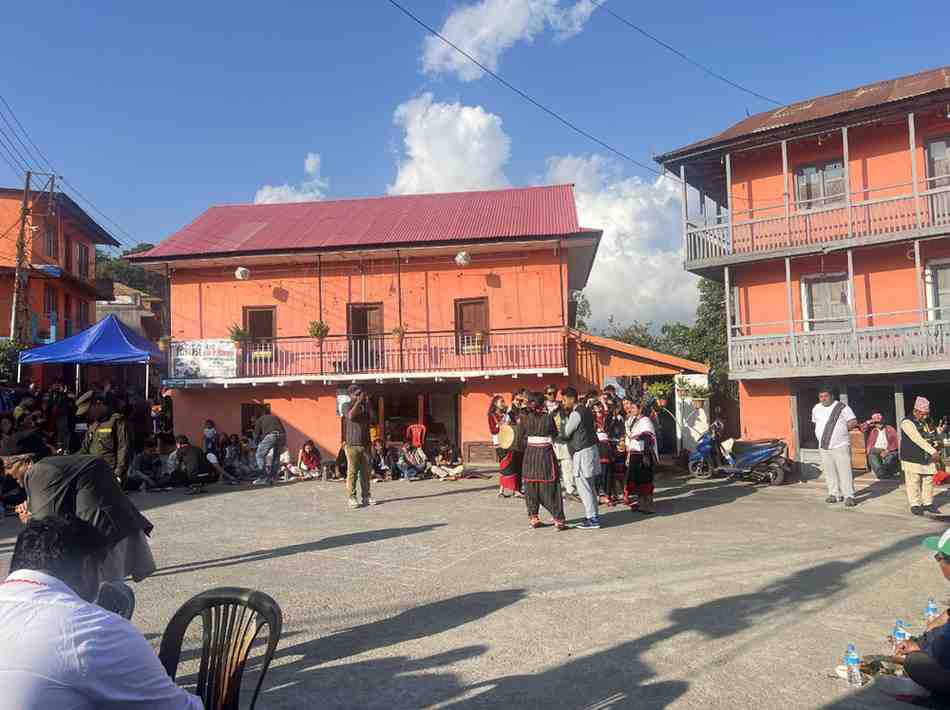
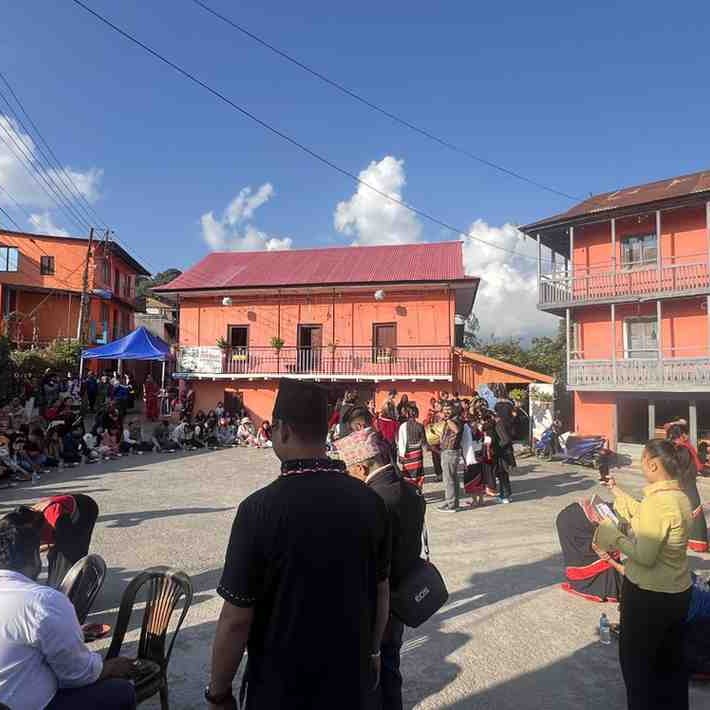
The Wadangmet Festival is a vibrant display of Kopche’s living heritage. Held annually, it brings together locals and tourists in a celebration of Newari and Athpahariya culture. Highlights of the festival include:
- Parades and traditional performances, featuring music, dance, and cultural displays.
- Culinary demonstrations, offering a taste of local delicacies prepared using indigenous methods.
- Cultural activities such as leaf bowl (duna tapara) weaving competitions, indigenous art showcases, and costume exhibitions.
- Dressed-in-time photo booths, allowing visitors to experience traditional attire and photography.
This festival not only celebrates Kopche’s past but also educates visitors about the region’s revival efforts, encouraging cultural appreciation and responsible tourism.
Explore Kopche on the Orange Town Walk
One of the best ways to experience Kopche is through the Orange Town Walk, a guided tour through the town’s vibrant streets and heritage sites. Highlights include:
- Tallo and Mathilo Kopche streets, lined with beautifully painted orange houses adorned with terracotta tiles and traditional artwork.
- Historic landmarks such as Ganesh Temple and Nissan Bhagwati Temple, where visitors can observe local rituals.
- The Dhankuta Museum and old bazaar, showcasing preserved trade hubs and traditional architecture.
- The lively Bihibare Hatia market, held every Thursday, where locals sell fresh produce and handmade crafts.
The Orange Town Walk provides an immersive experience of Dhankuta’s history, architecture, and vibrant community life.
Responsible Tourism in Dhankuta
Kopche’s transformation and cultural events are part of broader initiatives for sustainable and responsible tourism. Supported by the HI-GRID Project, led by ICIMOD and backed by the Australian Government, these efforts involve collaboration between Dhankuta Municipality, Chhathar Jorpati Rural Municipality, the Community Homestay Network, Smart Paani, and HUSADEC.
Visitors are encouraged to support local businesses, respect cultural traditions, and participate in eco-friendly activities, ensuring that tourism benefits the community while preserving Kopche’s heritage.
Why Visit Kopche and Its Festivals?
- Cultural immersion: Experience traditional Newari and Athpahariya culture through festivals, performances, and workshops.
- Architectural heritage: Walk through streets adorned with historic homes, temples, and artistic terracotta designs.
- Community-driven tourism: Every visit directly supports local families, businesses, and conservation initiatives.
- Unique photo opportunities: Capture vibrant orange streets, traditional attire, and festival moments.
- Festivals and local experiences: Witness Wadangmet parades, culinary demos, and interactive workshops that bring the past to life.
Conclusion
Kopche’s Wadangmet and Heritage Festival is more than just a celebration—it is a symbol of community resilience, cultural pride, and sustainable tourism. Visiting Kopche allows travelers to step into history, enjoy authentic cultural experiences, and explore Nepal’s hidden gems far from the usual tourist trails. For anyone seeking a vibrant blend of heritage, festival excitement, and community engagement, Kopche is a must-visit destination in eastern Nepal.
