
Limi Valley: Is Nepal's Hidden Gem Worth Exploring in 2026?
Introduction
Far from the Kathmandu Valley, tucked away in the remote northwestern corner of Nepal, near the Tibetan border in Humla District, lies one of the country's best hidden natural treasures: Limi Valley. While most trekkers flock to the well-trodden paths of Everest Base Camp or Annapurna Circuit, this hidden valley remains refreshingly untouched by mass tourism. What makes Limi Valley particularly compelling for 2026 is its perfect storm of accessibility improvements, growing recognition among adventure travelers, and the Nepal government's recent focus on promoting off-the-beaten-path destinations.

This extraordinary valley stands out for four compelling reasons: its remarkably preserved Tibetan Buddhist culture, complete remoteness that offers genuine wilderness experiences, breathtaking Trans-Himalayan landscapes that rival Tibet itself, and shhh keep it a secret, it is one of the best places in the world for stargazing.
The Shangri-La
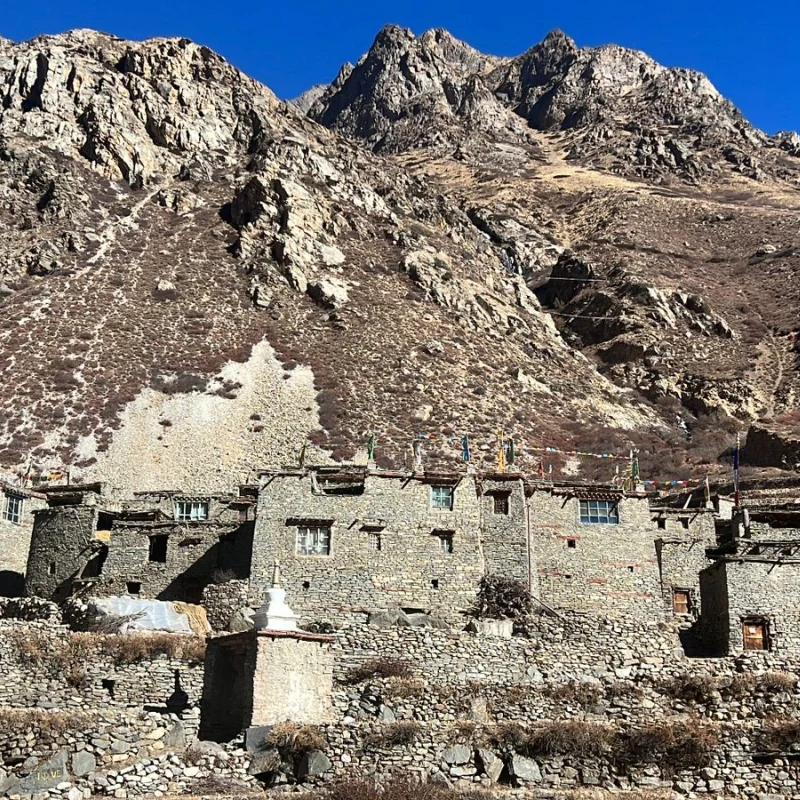
Limi Valley feels like stepping through a portal into medieval Tibet. The valley is home to three primary settlements; Til, Halji, and Jang. These traditional villages introduce us to authentic Tibetan architecture that are characterized by flat-roofed stone houses adorned with prayer flags. The inhabitants, primarily of Tibetan ethnicity, maintain customs and traditions that have remained largely unchanged despite political upheavals across the border.
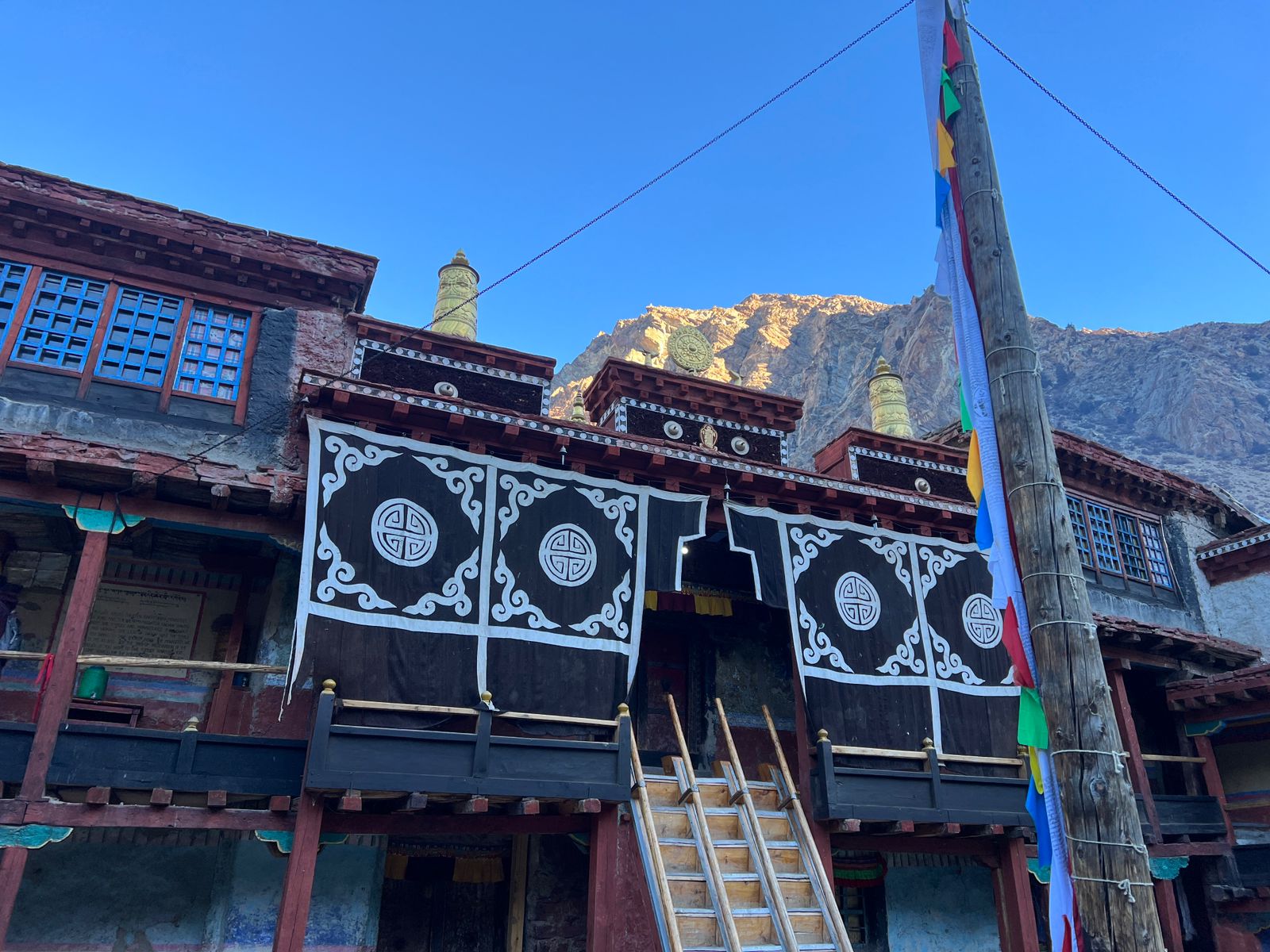
The jewel of the valley's cultural heritage is the Rinchenling Monastery in Halji, a 11th-century Buddhist gompa that predates many of Tibet's famous monasteries. This monastery houses ancient murals, manuscripts, and statues that have survived nearly a millennium of harsh Himalayan conditions. The monastery serves as a spiritual center and also as a living museum of Tibetan Buddhist art and philosophy, where monks continue their age-old practices of meditation, debate, and ritual.
Beyond its culture, Limi Valley boasts exceptional biodiversity despite its harsh, semi-arid environment. The region serves as a critical habitat for some of the Himalayas' most elusive wildlife.
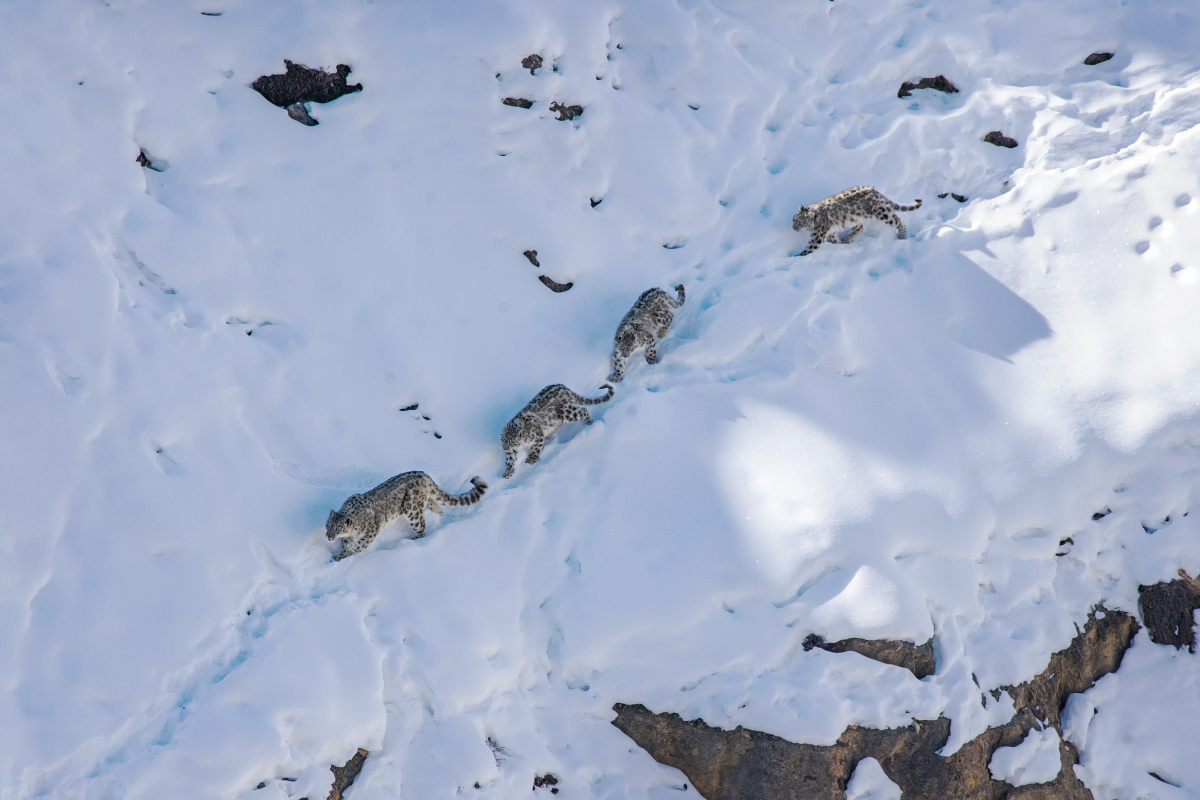
Blue sheep (Bharal) graze on impossibly steep slopes, while the Snow Leopard lurks in these precipitous hunting grounds. Himalayan wolves also call this valley their home. For wildlife enthusiasts, the valley offers an opportunity to spot these magnificent creatures in their natural habitat, particularly during early morning and evening hours when they venture closer to the valley floor.
The Landscape and Experience
Limi Valley's landscape is nothing short of otherworldly. The semi-arid Trans-Himalayan terrain creates a moonscape of eroded hills, gorges, and vast plateaus. Unlike the lush green valleys of Nepal's more famous trekking regions, this high-altitude desert environment offers a stark, minimalist beauty that photographers and adventurers find deeply compelling.
The mighty Karnali River carves through the valley. As you trek deeper into the valley, spectacular views unfold the peaks of Saipal (7,031m), Nampa (6,755m), Api (7,132m), and the distant spires of the Tibetan plateau. On clear days, the horizon seems endless, stretching across the vast Tibetan wilderness that lies just beyond Nepal's northern border.
What makes Limi Valley particularly appealing is its uncanny resemblance to Tibet. The same high-altitude desert climate, similar cultural practices, and comparable architectural styles but without the complex visa requirements, political restrictions, and expensive permits that accompany travel to the Tibet Autonomous Region.
In May 2025, the remote village of Til in Limi Valley faced a major natural disaster that underscored both the fragility and resilience of life in the high Himalayas. Late one night, two glacial lakes perched above 5,400 meters burst without warning, triggering a glacial lake outburst flood (GLOF) and a subsequent landslide. The flood swept down the Sekhanglugwa stream, destroying farmland, washing away five wooden bridges, and damaging essential infrastructure like a micro-hydropower plant, irrigation canals, and drinking water pipelines. Though no lives were lost, over 30 ropani of cultivated land was destroyed and 18 households encompassing around 32 villagers were displaced. Families are now living in temporary shelters without access to clean water or electricity, and with increased risk of illness. Access to the area became difficult for emergency responders due to the high altitude, and relief took nearly a week to arrive. While Til slowly rebuilds, the disaster is a stark reminder of how climate change and glacial instability are directly impacting Himalayan communities. Traveling here responsibly can contribute to recovery efforts and ensure that tourism becomes a force for resilience rather than disruption.
Trekking Route Overview
The journey to Limi Valley begins with a flight to Simikot, the district headquarters of Humla and one of Nepal's most remote airports. From Simikot (2,950m), the trek follows ancient trade routes that have connected Nepal and Tibet for over a millennium. These paths, carved into cliff sides and crossing high-altitude passes, require good physical fitness and trekking experience.
The primary route involves crossing the challenging Nyalu La pass at 4,994 meters, a demanding day that rewards trekkers with panoramic views of the surrounding peaks and valleys. The approach to this pass requires careful acclimatization, typically involving a rest day in Simikot and gradual altitude gain over several days. Weather conditions can change rapidly at this elevation, making proper gear and experienced guidance essential.
Limi Valley forms part of the ambitious Great Himalayan Trail (GHT), a network of high-altitude trekking routes that spans the entire Himalayan range from Bhutan to Pakistan. The Limi section represents one of the most remote and challenging segments of this trail, attracting serious trekkers seeking to complete sections of this epic route.
Permits and Regulations
Limi Valley's status as a restricted area means that independent travel is not permitted. This regulation has helped preserve its pristine character. All visitors must obtain a Restricted Area Permit (RAP), which costs $50 USD for the first seven days and $10 USD for each additional day. This permit must be processed through a registered trekking agency and cannot be obtained independently. Learn more about the structure of Nepal’s trekking fees here.
The minimum group requirement is two trekkers plus a licensed guide and at least one porter due to the remote nature and potential emergencies. All guides must be licensed by the Nepal government and familiar with high-altitude environments and rescue procedures.
Additional permits required include a TIMS (Trekkers' Information Management System) card and a Humla Rural Municipality entry permit. The combined permit fees, while reasonable, reflect the government's strategy to maintain low-impact, high-value tourism in this sensitive region.
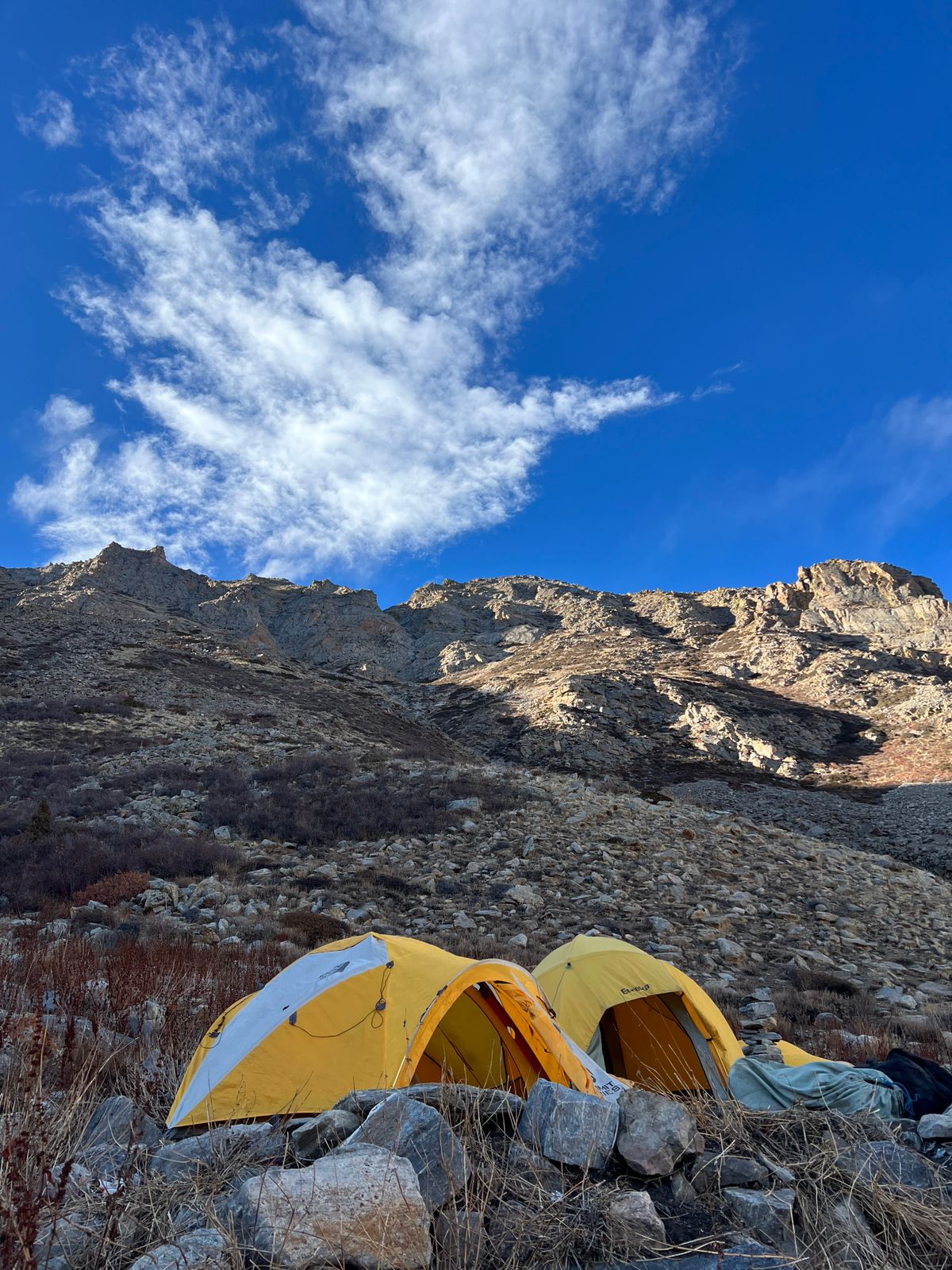
Strict environmental and cultural guidelines govern travel in Limi Valley. Trekkers must follow Leave No Trace principles, with particular emphasis on waste management since no waste removal infrastructure exists. All non-biodegradable waste must be carried out. Camping is permitted only in designated areas, and visitors are strongly encouraged to support community-based homestays and tea houses where available.
Cultural sensitivity is paramount. Photography of religious sites requires permission, and visitors should dress modestly and behave respectfully when visiting monasteries and interacting with local communities. Many villages have specific customs regarding appropriate behavior, and guides play a crucial role in facilitating respectful cultural exchange.
Conclusion
Limi Valley represents a journey to one of the last truly untouched corners of the Himalayas, where ancient Tibetan culture thrives in isolation. This remarkable valley offers modern travelers a rare opportunity to experience the Himalayas as they existed centuries ago, complete with ancient monasteries, villages, and vast wilderness that harbors some of Asia's most elusive wildlife. The silence here is profound. With no roads, vehicles, or power lines, the valley offers a rare opportunity to experience true wilderness solitude. The night sky, unpolluted by light, reveals the Milky Way in stunning detail, while days bring the kind of crystal-clear mountain air that makes every breath feel revitalizing.
The valley's unique combination of cultural authenticity, natural beauty, and adventurous remoteness creates an experience that transforms visitors rather than simply entertaining them. Here, surrounded by some of the world's most dramatic landscapes and immersed in living Tibetan Buddhist culture, trekkers often discover perspectives and insights that linger long after returning home.
For those considering a 2026 adventure, now is the time to start planning your Limi Valley expedition. As word spreads about this extraordinary destination, and as infrastructure improvements make access slightly easier, the window for experiencing Limi Valley in its current state may be closing. The valley's restricted status will always limit visitor numbers, but early planning ensures the best guides, optimal timing, and the most authentic experience possible.
