
Living With Local Farmers: Authentic Agro-Tourism Experiences in Nepal
Introduction
Nepal is famous for its towering peaks, trekking trails, and cultural richness but the real heart of the country lies in its villages and farms. Agro-tourism allows travelers to live alongside local farmers, participate in daily agricultural activities, and gain insight into traditional farming practices.
This form of tourism not only provides hands-on experiences but also promotes sustainable travel, cultural exchange, and economic support for rural communities.


1. Farm Stays in the Terai Region
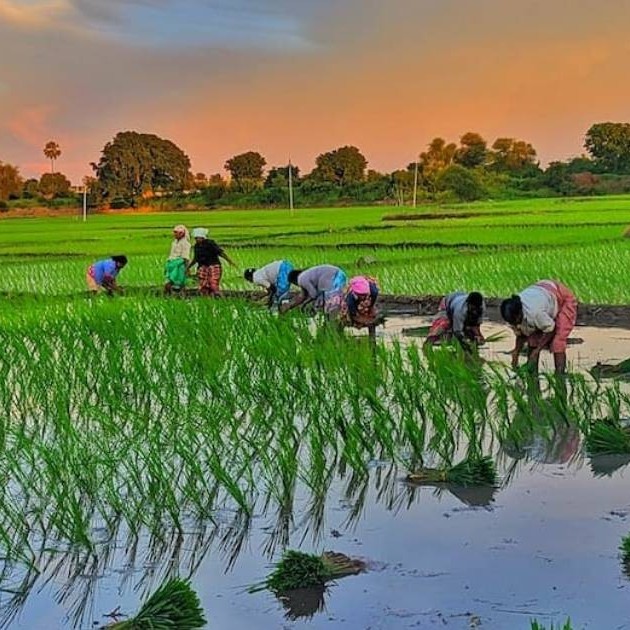
The Terai plains, with fertile soil and warm climate, offer family-run farms where visitors can:
- Plant or harvest rice and vegetables
- Cook traditional Terai meals with local families
- Explore nearby wetlands, forests, and small villages
Why it’s unique:
Terai farm stays combine nature, culture, and hands-on learning, perfect for families and first-time agro-tourists.
2. Mid-Hill Terraced Farms
Nepal’s central and eastern hills are dotted with terraced farms producing maize, millet, potatoes, and seasonal vegetables. Staying with local farmers offers opportunities to:
- Join in seasonal planting and harvesting
- Learn terracing techniques that prevent soil erosion
- Participate in village festivals and traditional rituals
Why it’s unique:
These regions provide a blend of scenic landscapes and authentic cultural immersion.
3. Organic and Tea Plantations in Eastern Nepal
Eastern hills, particularly Ilam, are known for tea gardens and organic farms. Visitors can:
- Pluck tea leaves and learn processing methods
- Experience sustainable farming practices
- Taste fresh produce while enjoying panoramic tea terraces
Why it’s unique:
Guests witness eco-friendly agriculture in action while enjoying tranquil, scenic views.
4. High-Altitude Vegetable and Livestock Farms
In mid-to-high hill regions, farmers grow hardy vegetables and raise livestock at altitudes above 2,000 meters. Visitors can:
- Assist with milking, feeding, and harvesting
- Learn traditional food storage and preservation
- Enjoy meals prepared with fresh farm ingredients
Why it’s unique:
High-altitude agro-tourism offers insight into adaptation and resilience in challenging Himalayan environments.
Why Agro-Tourism Matters
- Supports local economies and rural livelihoods
- Preserves traditional farming methods and knowledge
- Offers travelers educational, immersive experiences
- Encourages sustainable tourism that benefits communities and the environment
Tips for an Authentic Agro-Tourism Experience
- Participate actively but respectfully in farm activities
- Dress for outdoor work and weather conditions
- Taste and learn local cooking techniques
- Engage with families to understand festivals, rituals, and stories
- Respect livestock, wildlife, and the environment
Conclusion
Agro-tourism in Nepal is more than just a visit—it’s a cultural immersion that connects travelers to the land and people sustaining it. From fertile Terai plains to terraced hill farms and high-altitude vegetable plots, living with local farmers offers hands-on experiences, cultural understanding, and meaningful memories.
Through agro-tourism, travelers can appreciate Nepal’s rural heritage while supporting the sustainability and preservation of its communities.
