
Luxury vs. Budget: Is the Everest Luxury Trek Worth the Extra $1,000?
Trekking to Everest Base Camp (EBC) is a dream for adventurers, but the growing trend of luxury trekking packages has sparked a debate: Is spending an extra $1,000 on a luxury trek worth it, or can you experience EBC fully on a budget?
This guide explores the differences, benefits, and drawbacks of luxury versus budget trekking, helping you choose the option that fits your style, comfort level, and adventure goals.
What Defines a Luxury EBC Trek?
Luxury trekking is designed to elevate comfort without compromising the Everest experience. Key features often include:
- Upgraded accommodations: Spacious teahouse rooms, private bathrooms, hot showers, and heated beds.
- Gourmet meals: Multi-course meals with a wider variety of options, including international cuisine.
- Professional support: Experienced guides, porters for personal luggage, and sometimes even trekking assistants.
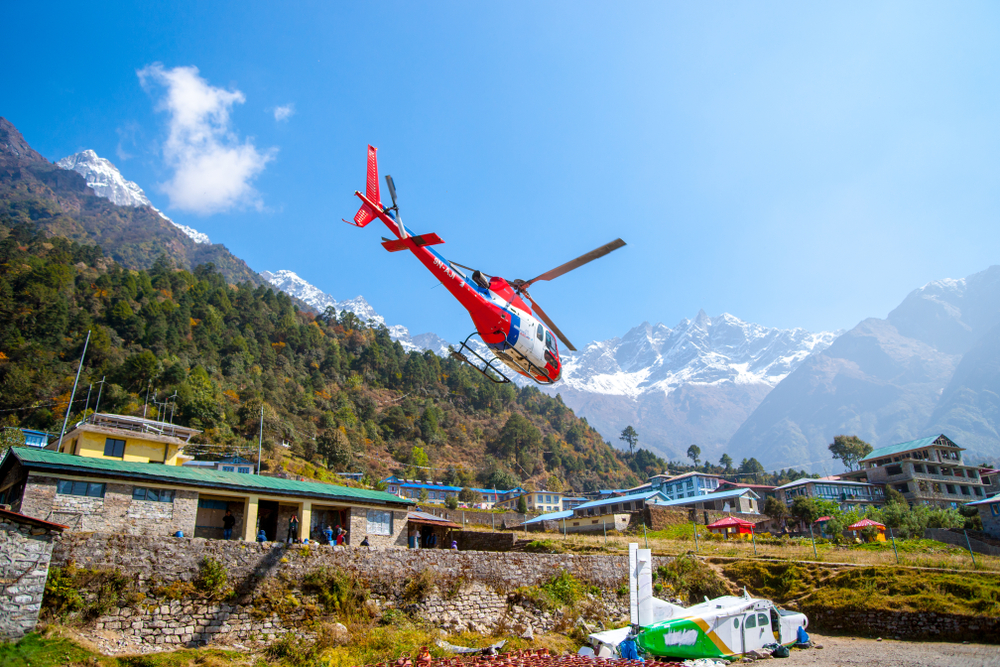
- Convenience and safety: Helicopter transfers, emergency evacuation options, and tailored itineraries for pacing and acclimatization.
In essence, luxury trekking reduces physical and logistical stress, allowing you to focus on scenery and the experience itself.
What Budget Trekking Offers
Budget trekking is traditional, immersive, and focuses on the core trekking experience. Key characteristics include:
- Basic teahouses: Shared rooms, simple beds, and communal bathrooms
- Standard meals: Limited menu options, often local dishes like dal bhat, noodles, and soups.
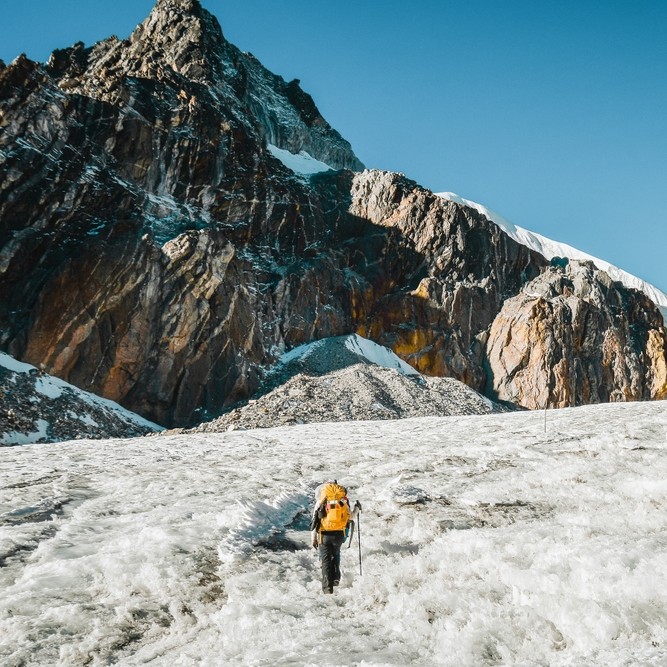
- Self-managed logistics: You carry your own backpack, arrange accommodations, and rely on minimal support.
- Lower costs: Typically $1,000 less than luxury packages, making the trek accessible to more travelers.
Budget trekking often provides a more authentic, communal, and rustic experience, where the focus is on the trail, the culture, and the mountains.
Comparing Comfort and Convenience
Luxury:
- Rest days feel restorative with comfortable beds and warm showers.
- High-quality meals provide energy and variety without worrying about availability.
- Porters allow you to hike lighter, reducing fatigue and potential injuries.
Budget:
- Basic teahouses can be cold, especially above 4,000 meters.
- Limited menu variety may challenge picky eaters or those needing high-calorie meals.
- Carrying your own backpack increases the physical demand, testing endurance and resilience.
Experience and Adventure
Luxury trekking offers comfort, predictability, and reduced risk, which is ideal for:
- First-time trekkers or travelers with limited high-altitude experience
- Those seeking a stress-free, scenic-focused journey
- Individuals with time constraints or health considerations
Budget trekking emphasizes adventure, authenticity, and connection:
- Engage more with local communities and fellow trekkers
- Experience the trail’s challenges firsthand, building endurance and resilience
- Enjoy a more rugged, traditional Everest journey
The Cost Question: Is the Extra $1,000 Worth It?
Deciding whether luxury is worth the additional cost depends on your priorities and travel style:
- Yes, if: You value comfort, safety, gourmet meals, personalized support, and a less physically demanding trek. The extra cost can transform the trek from challenging to enjoyable.
- No, if: You thrive on adventure, are physically fit, comfortable with basic amenities, and want a traditional, immersive experience at a lower cost.
Making the Choice
When choosing between luxury and budget:
- Consider your physical fitness, age, and prior trekking experience
- Evaluate how much comfort matters versus the thrill of a rugged trek.
- Factor in time constraints, luxury treks often streamline itineraries.
- Reflect on your budget and how it affects other aspects of your travel.
Final Thoughts
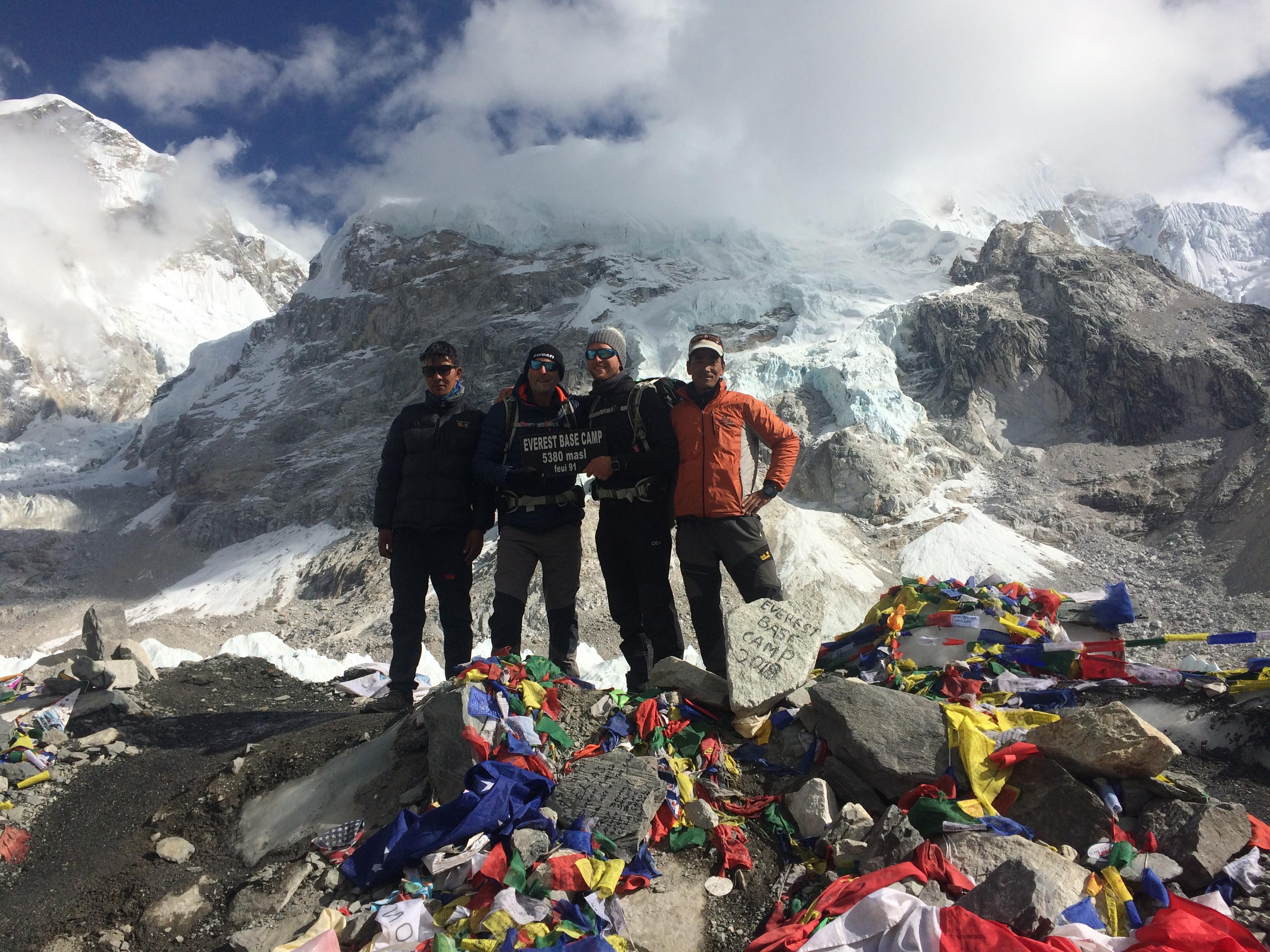
Both luxury and budget treks provide unforgettable access to the world’s highest peaks, Sherpa culture, and Himalayan landscapes. The difference lies in comfort, convenience, and support, not the views or the sense of achievement.
Spending an extra $1,000 on a luxury trek may be worth it for some, while others find the challenge and authenticity of a budget trek more rewarding. Ultimately, the best choice aligns with your personal goals, priorities, and trekking style, ensuring your Everest Base Camp adventure is truly memorable.
