
Marathon Tourism: How Running Fuels a City’s Economy
Marathons have evolved far beyond being just athletic events. Today, they are powerful drivers of local economies, drawing thousands of visitors, inspiring community pride, and fueling countless businesses. Cities like New York and Tokyo demonstrate how marathon-day tourism creates a ripple effect of economic benefits.
Let’s explore how marathon tourism boosts urban economies and take a closer look at a local business thriving in this ecosystem.
Marathon-Day Economy: The Case of New York and Tokyo
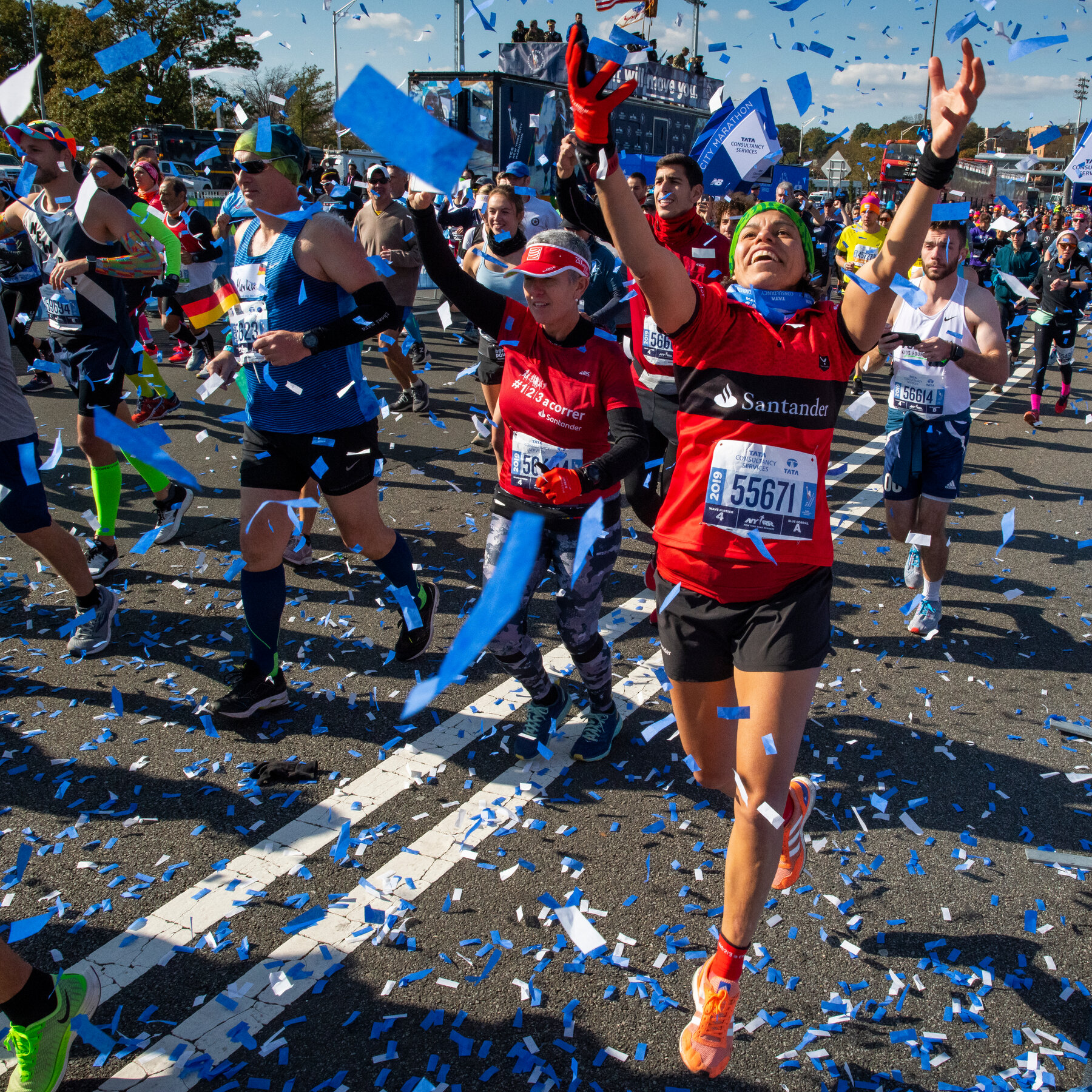
Every November, the New York City Marathon transforms the city into a bustling hub of energy and commerce. Over 50,000 runners from around the globe converge in NYC, bringing with them families, friends, and fans. This influx generates:
- Tens of millions of dollars in hotel bookings as visitors stay multiple nights.
- Increased sales for restaurants, cafes, and bars fueling spectators and runners alike.
- Boosts to local transport services, taxis, and rideshares accommodating the surge in demand.
- Revenue for retail outlets selling running gear, souvenirs, and essentials.
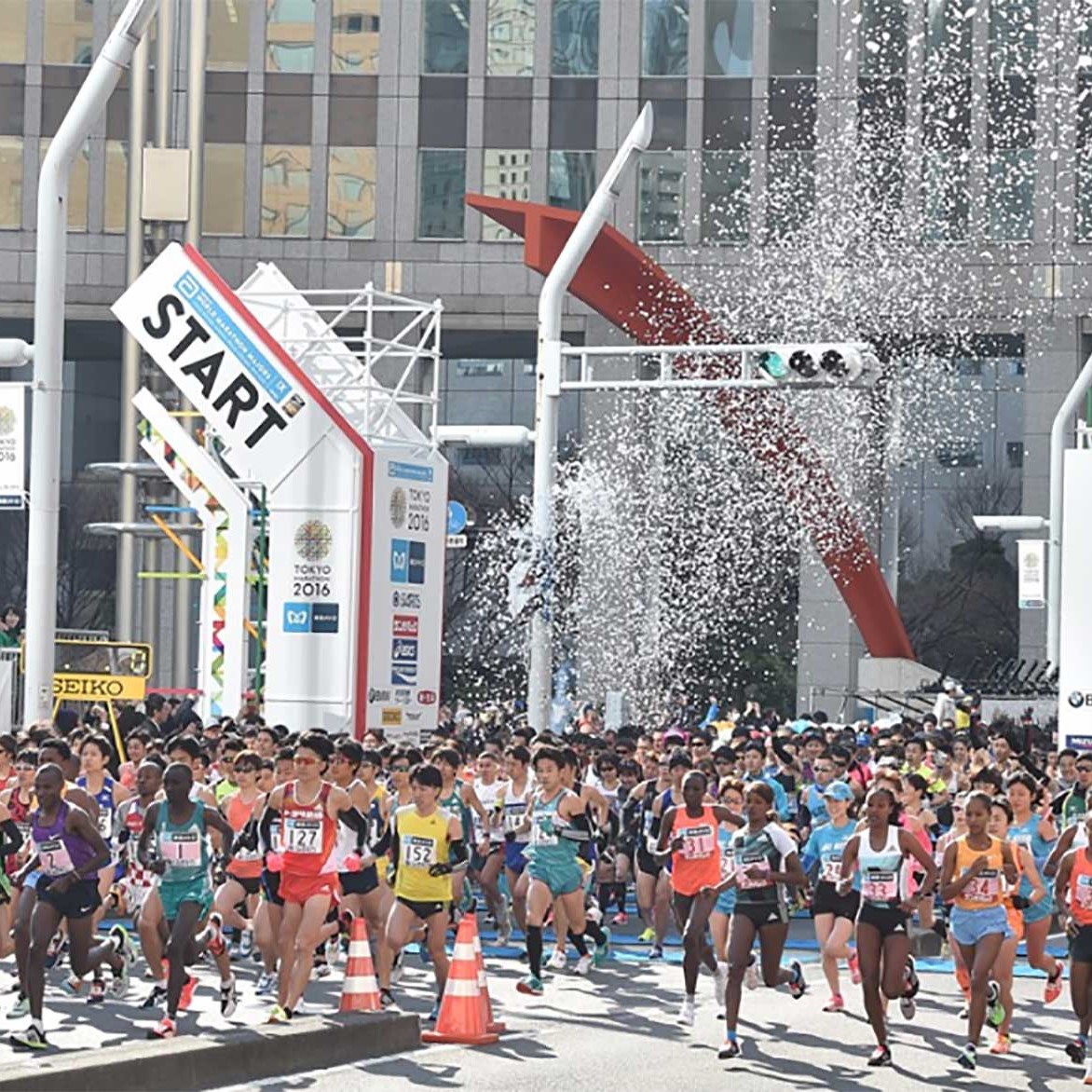
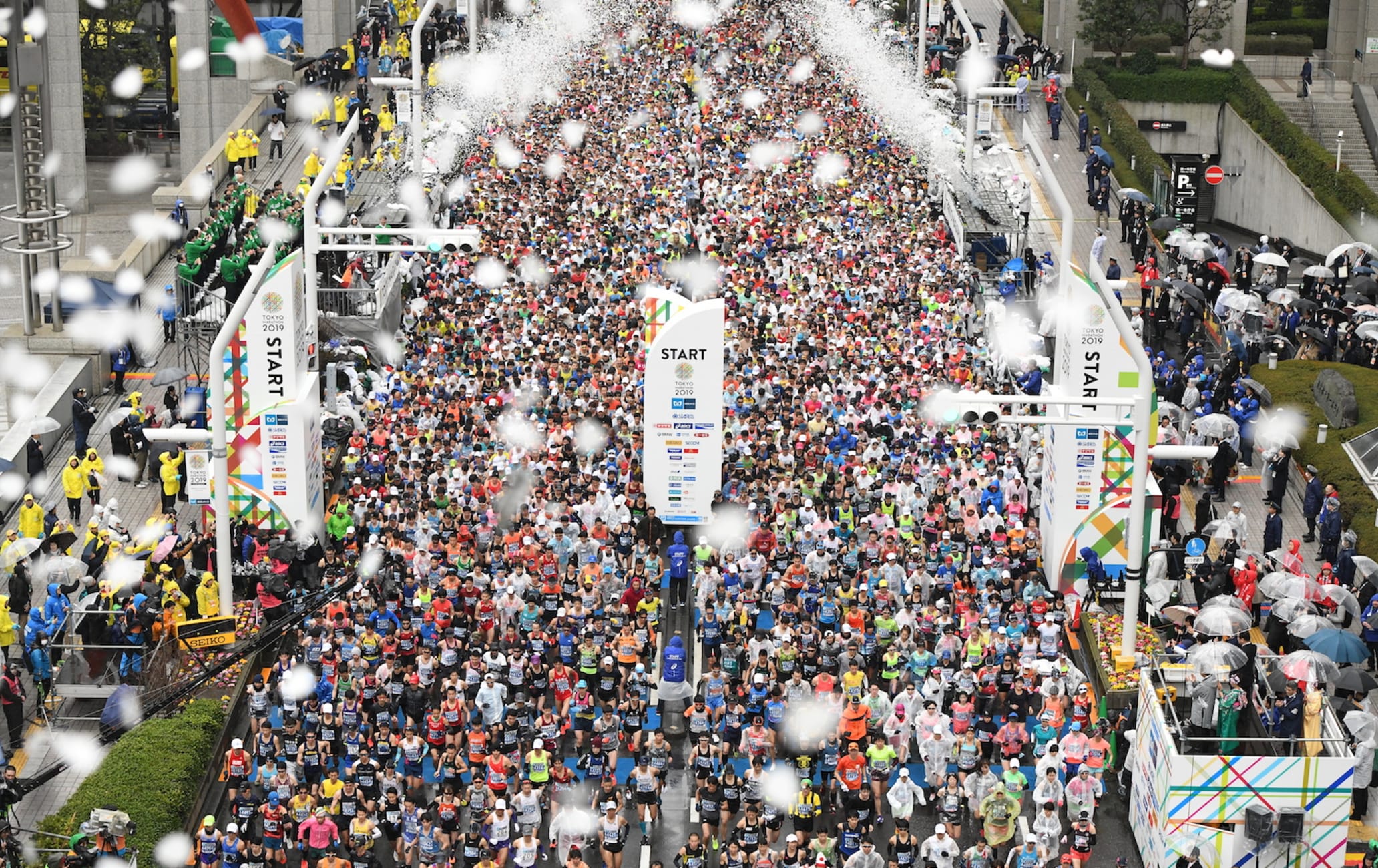
Similarly, the Tokyo Marathon in March draws over 35,000 runners and a large international crowd, supporting local hotels, eateries, and cultural attractions. Both events contribute significantly to the cities’ tourism sectors and help showcase their unique cultures to a global audience.
The Bigger Picture: Economic and Social Impact
Marathon tourism is more than dollars spent it fosters:
- Job creation in hospitality, retail, and event management.
- Community engagement through volunteer opportunities and local promotions.
- Urban branding as cities build identities around world-class sporting events.
Studies estimate that major marathons can inject anywhere from $100 million to $400 million into their local economies annually, highlighting their significance as economic engines.
Final Word: Running Toward Economic Growth
Whether in New York, Tokyo, or your city, marathons offer more than just a race; they're catalysts for economic vitality and cultural exchange.
