
Mardi Himal: How This “Hidden” Trek Became Nepal’s Most Popular
Not long ago, Mardi Himal Trek was a whisper among guides of an unnamed trail threading through forests beneath Machapuchare. Today, it’s one of Nepal’s most talked-about short treks. So how did a once-forgotten path transform into a mainstream Himalayan favorite without losing its soul?
Here’s the story behind Mardi Himal’s meteoric rise, and why it continues to win over trekkers season after season.
From Local Path to Official Route
For decades, the ridges below Mardi Himal were used primarily by shepherds and seasonal yak herders. There were no lodges, no signposts, and certainly no crowds. That changed when the trail was formally opened to trekkers in the early 2010s, offering a compact, high-reward route into the heart of the Annapurna foothills.
Unlike longer classics, Mardi Himal promised something radical for modern travelers: big mountains in fewer days.
The Perfect Altitude Formula
One reason for Mardi Himal’s popularity is its smart elevation profile. The trek tops out at Mardi Himal Base Camp (around 4,500m), high enough for dramatic alpine scenery but low enough to reduce serious altitude complications for most trekkers.
For those short on time or new to trekking this balance proved irresistible.
Machapuchare Up Close No Detours Required
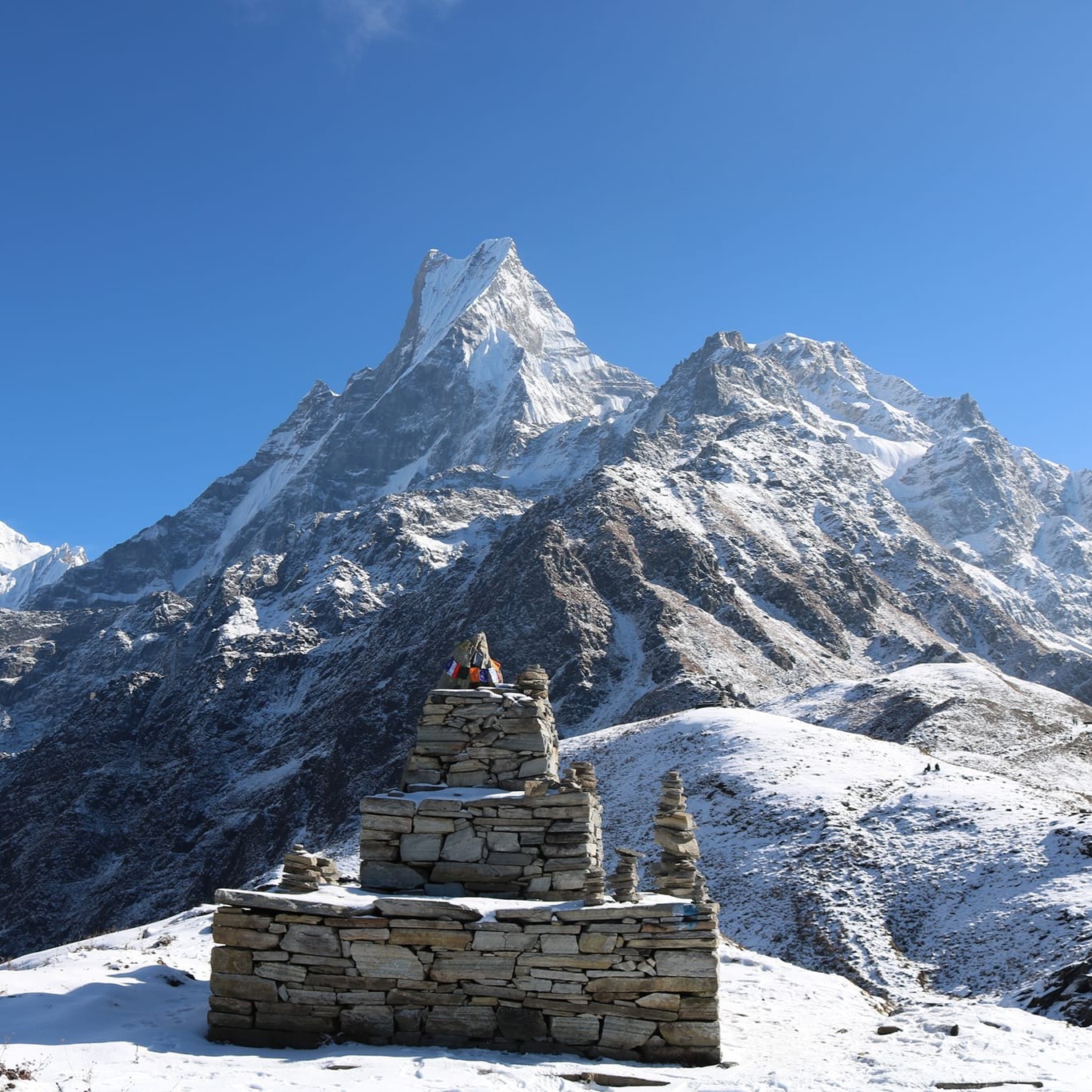
On many treks, iconic peaks appear as distant backdrops. Mardi Himal flips the script. The trail runs directly along a narrow ridge facing Machapuchare, Nepal’s most sacred and visually striking peak.
Day after day, Machapuchare dominates the skyline so close it feels touchable. Add Annapurna South and Hiunchuli to the mix, and the visual payoff rivals far longer routes.
Forests, Ridges, and Alpine Drama
Another secret to Mardi Himal’s success is terrain variety in a short span. Trekkers move quickly from:
- Rhododendron and oak forests
- Mossy, cloud-filled trails
- Open ridgelines with knife-edge views
- High alpine landscapes near base camp
This rapid transition keeps the trek engaging and visually rich, ideal for photographers and first-time Himalayan travelers alike.
Easy Access from Pokhara
Logistics matter and Mardi Himal excels here. The trek starts within a short drive of Pokhara, eliminating the need for mountain flights or long approach days.
For travelers already in Pokhara, Mardi Himal feels effortlessly accessible, making it a natural choice for those seeking adventure without complexity.
Social Media Changed Everything
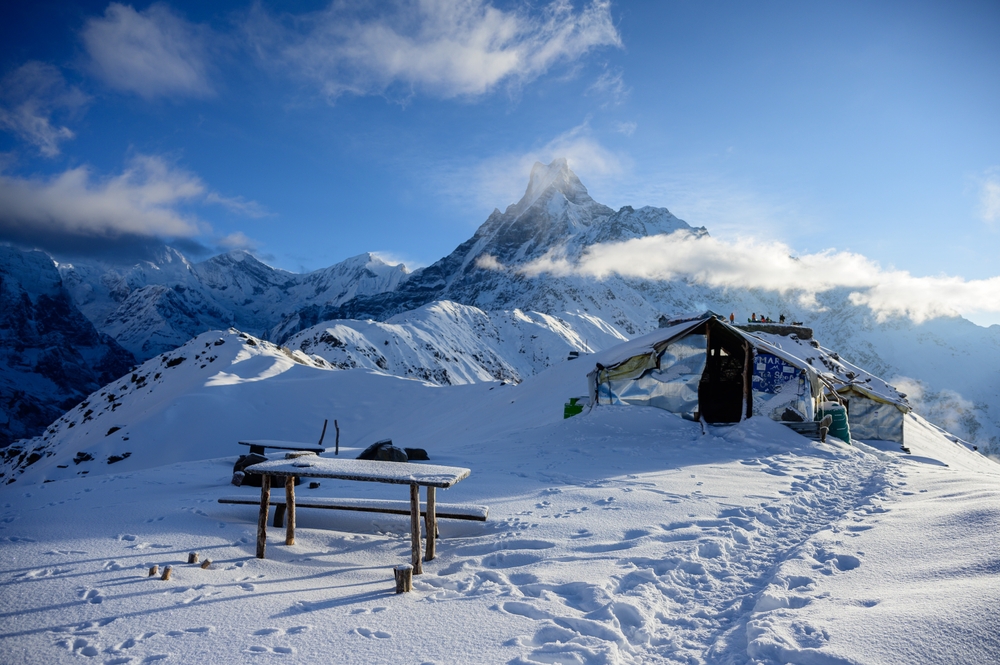
While the trail existed, its fame exploded with the rise of drone footage, Instagram reels, and trekking blogs showcasing sunrise over Machapuchare’s fishtail summit. A single ridgeline photo could capture:
- Clouds rolling below
- Golden Himalayan light
- A solitary trail vanishing into the sky
What was once “hidden” became highly shareable and demand followed visibility.
Short Duration, High Reward
In a world where travelers juggle limited vacation time, Mardi Himal’s 5–7 day format is a major advantage. It fits neatly between city tours, longer treks, or tight itineraries, without feeling rushed or diluted.
This efficiency has made it especially popular among:
- First-time Nepal visitors
- Solo trekkers
- Photographers
- Travelers combining culture and nature
Popular—But Still Personal
Despite its rise, Mardi Himal hasn’t tipped into overtourism. Compared to longer classics, the trail still offers:
- Quiet mornings on the ridge
- Smaller villages and fewer teahouses
- A genuine sense of discovery
Its popularity stems not from hype alone but from how well it delivers what modern trekkers want.
Why Mardi Himal’s Popularity Is Here to Stay
Mardi Himal didn’t become famous by accident. It earned its place by offering:
- Iconic mountain views
- Manageable altitude
- Minimal logistics
- Short time commitment
- Immersive scenery
In short, it represents the evolution of Himalayan trekking less about endurance, more about experience.
What was once a hidden trail is now a modern classic, proving that in Nepal, the best routes don’t always need decades of fame to become legendary.
