
Mera Peak Climbing – The Highest Trekking Peak in Nepal
Introduction
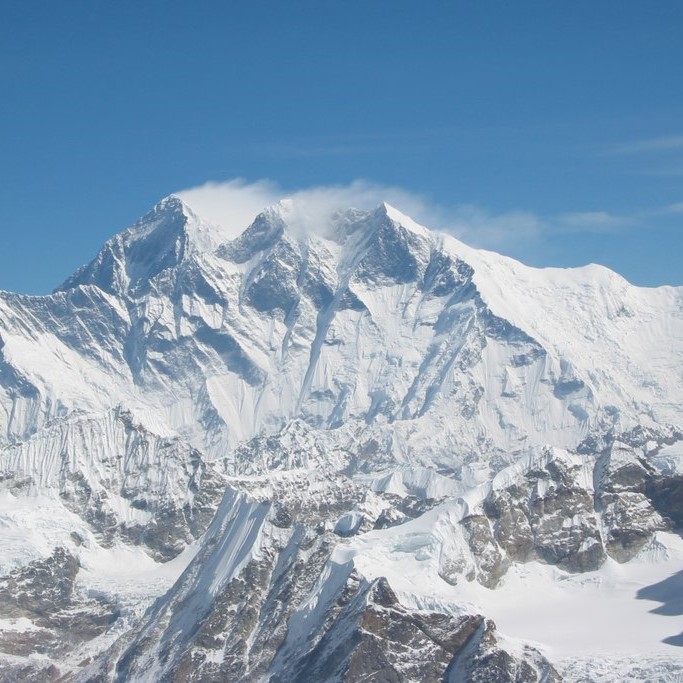
Mera Peak (6,476 m / 21,247 ft) is one of Nepal’s most famous trekking peaks, located in the Mahalangur section of the Himalaya, Barun sub-section, within the Sagarmatha Zone of Sankhuwasabha District. Known as the highest trekking peak in Nepal, Mera is a dream destination for adventurers seeking to step into the world of high-altitude climbing without the extreme technical challenges of expedition peaks like Everest or Lhotse.
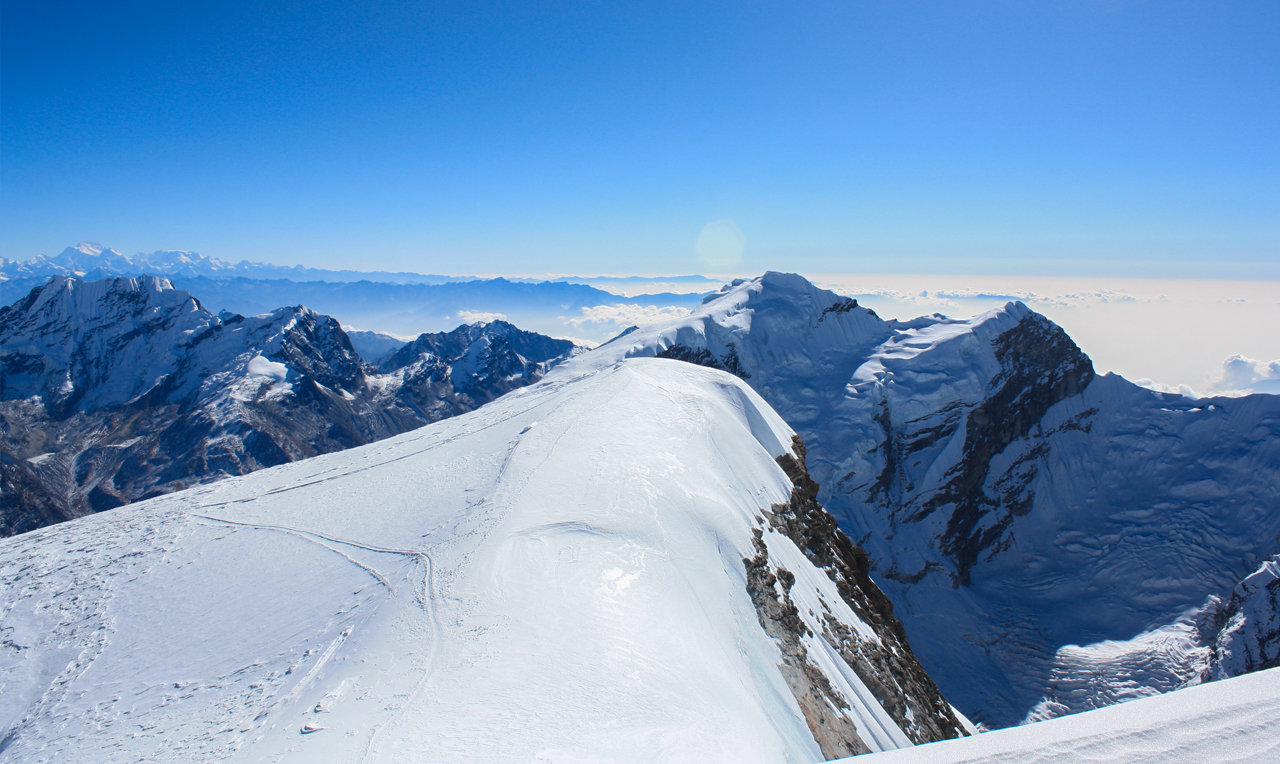
With its three main summits—Mera North (6,476 m), Mera Central (6,461 m), and Mera South (6,065 m) as well as a smaller trekking summit, Mera offers climbers breathtaking Himalayan panoramas. From its summit, climbers are rewarded with sweeping views of Everest, Lhotse, Makalu, Cho Oyu, and Kanchenjunga—five of the world’s 8,000m giants.
Why Climb Mera Peak?
- Highest trekking peak in Nepal – At 6,476 m, it allows trekkers to experience extreme altitude without advanced technical climbing.
- Spectacular views – One of the finest vantage points in the Himalayas.
- Accessible to beginners – Though altitude is a challenge, the climb is considered technically straightforward for fit trekkers.
- Authentic Himalayan journey – The approach trek passes through remote Sherpa villages, alpine forests, glacial valleys, and high mountain passes.
Mera Peak Elevation Confusion
Mera Peak is sometimes mistakenly listed as 6,654 m (21,831 ft) due to confusion with nearby Peak 41, which was wrongly identified as Mera in earlier Himalayan peak lists. The correct and officially recognized elevation is 6,476 m.
Route to Mera Peak
From Kathmandu
- Flight to Lukla – The gateway to the Everest region.
Caravan Route
- Lukla → Chhatrala → Thagnak → Khare → Base Camp
- Distance: ~29.8 km from Lukla
- This scenic trail passes through rhododendron forests, yak pastures, high ridges, and glaciers before reaching Mera Peak Base Camp.
Climbing Route
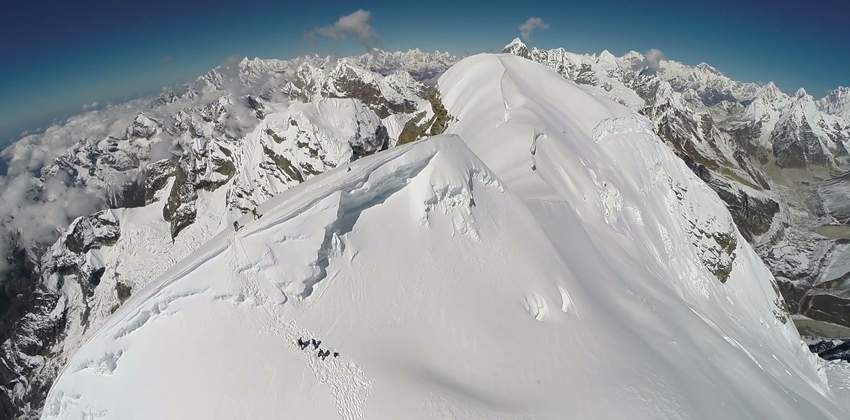
- Base Camp → High Camp → Summit
- Climbing Distance: ~4.2 km
- The ascent involves snow slopes, glacier travel, and steady climbing with the use of crampons and ropes.
Duration of Mera Peak Expedition
A typical Mera Peak climbing itinerary takes around 17 days. This includes trekking to base camp, proper acclimatization days, and the summit attempt. Some itineraries may extend or shorten depending on weather, acclimatization needs, and group pace.
Difficulty Level
- Technical Difficulty: Low – suitable for trekkers with basic mountaineering skills.
- Main Challenge: High altitude and acclimatization.
- Recommended Preparation: Fitness training, altitude adaptation treks, and prior experience above 5,000 m.
Best Time to Climb Mera Peak
- Spring (March – May) – Stable weather, crystal-clear skies, and beautiful alpine flowers.
- Autumn (September – November) – Post-monsoon clarity with superb visibility and stable climbing conditions.
Conclusion
Mera Peak offers one of the most rewarding high-altitude adventures in Nepal. It is the perfect stepping stone for trekkers aspiring to experience mountaineering at 6,000 m and beyond. With breathtaking views of the Himalayas, a culturally rich trekking approach, and a technically accessible climb, Mera Peak continues to attract adventurers from around the world.
Whether you’re a seasoned trekker looking for a new challenge or an aspiring climber preparing for bigger expeditions, Mera Peak is a journey of a lifetime.
